
Beautiful Plants For Your Interior
Beautiful Plants For Your Interior
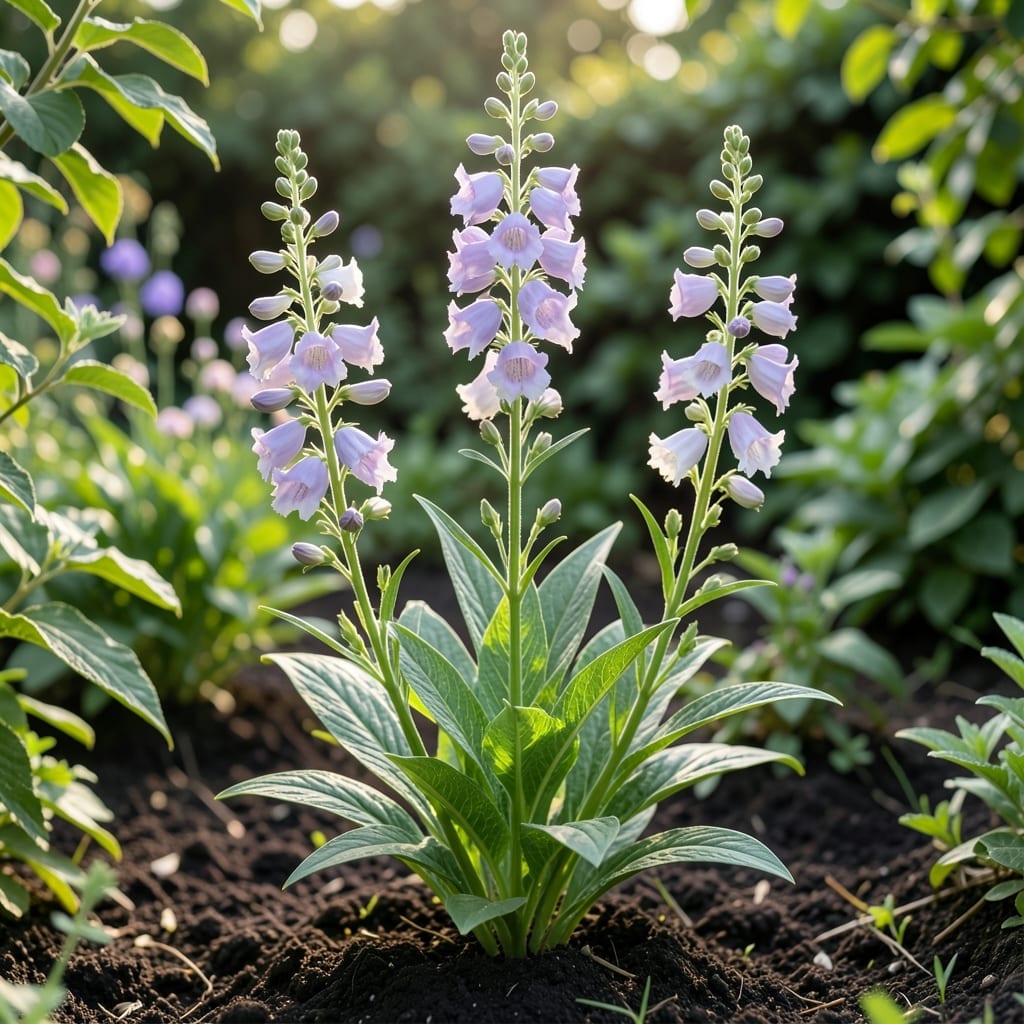
There’s something magical about watching Lisianthus 🌸 transform from bud to full bloom. As a gardener, I know timing is everything when it comes to enjoying these elegant flowers.
Understanding their blooming period helps you plan your garden and ensure a steady supply of fresh cuts. The right timing can make all the difference between a lackluster display and a vibrant summer spectacle.
Let me walk you through what to expect and how to optimize your Lisianthus for the best results. You’ll be amazed at how simple tweaks can extend their beauty.
If you’re growing Lisianthus, you’re likely eager to see those stunning rose-like blooms. Typically, this elegant flower begins its blooming season in early to mid-summer, with peak flowering in July and August. 🌸
In most regions, you can expect Lisianthus flowers to open from late June through September. The exact timing depends on your climate zone and when you planted the seeds or seedlings.
| Stage | Timeline |
|---|---|
| Seed Starting | 8-10 weeks before last frost |
| Early Blooms | Late June to early July |
| Peak Blooming | July to August |
| Late Blooms | September |
The blooming period of Lisianthus is heavily influenced by day length and temperature. In cooler climates, blooms may appear slightly later, while warmer regions often see earlier flowering. 🌡️
For the best results, I recommend starting seeds indoors about 8-10 weeks before your last frost date. This gives the plants a head start, ensuring they’re ready to bloom as soon as the weather warms up. 🌱
If you’re in USDA zones 6-9, you’ll find Lisianthus thrives with full sun and well-draining soil. These conditions help the plant focus its energy on producing those gorgeous, long-lasting flowers.
Another factor to consider is succession planting. By staggering your plantings every 2-3 weeks, you can enjoy a continuous display of blooms throughout the entire growing season. ✂️
Remember that Lisianthus is a long-day plant, meaning it blooms in response to longer daylight hours. If you’re growing it in a greenhouse or under lights, you can manipulate the light exposure to encourage earlier or later blooming.
In my experience, pinching back the stems when the plants are young encourages bushier growth and more abundant flowers. This simple technique can make a big difference in your garden’s overall display.
Finally, keep an eye on the weather forecast. A sudden heatwave can speed up blooming, while a cold snap might delay it. Being attuned to these changes helps you anticipate when your Lisianthus will burst into color.
If you want to enjoy Lisianthus blooms beyond the natural summer season, a few simple techniques can help. I’ve found that succession planting every 2-3 weeks keeps fresh flowers coming. 🌸
Starting new seeds or seedlings in staggered batches ensures a continuous supply. This method works especially well in warmer climates where the growing season is longer.
For earlier blooms, I recommend starting seeds indoors under grow lights about 10-12 weeks before your last frost. This gives the plants a head start.
To delay blooming, try planting in partial shade or using shade cloth during the hottest part of the day. This can slow down the flowering process by a week or two.
Pinching back the stems when plants are 6-8 inches tall encourages branching. This results in more flower stems and a fuller display later in the season. ✂️
In greenhouse settings, controlling light exposure can fine-tune blooming. Lisianthus responds to longer days, so adjusting light can shift the flowering window.
Finally, consistent watering and balanced fertilizer keep plants healthy. A 10-10-10 fertilizer every 4-6 weeks supports strong growth and vibrant blooms. 💧