
Beautiful Plants For Your Interior
Beautiful Plants For Your Interior
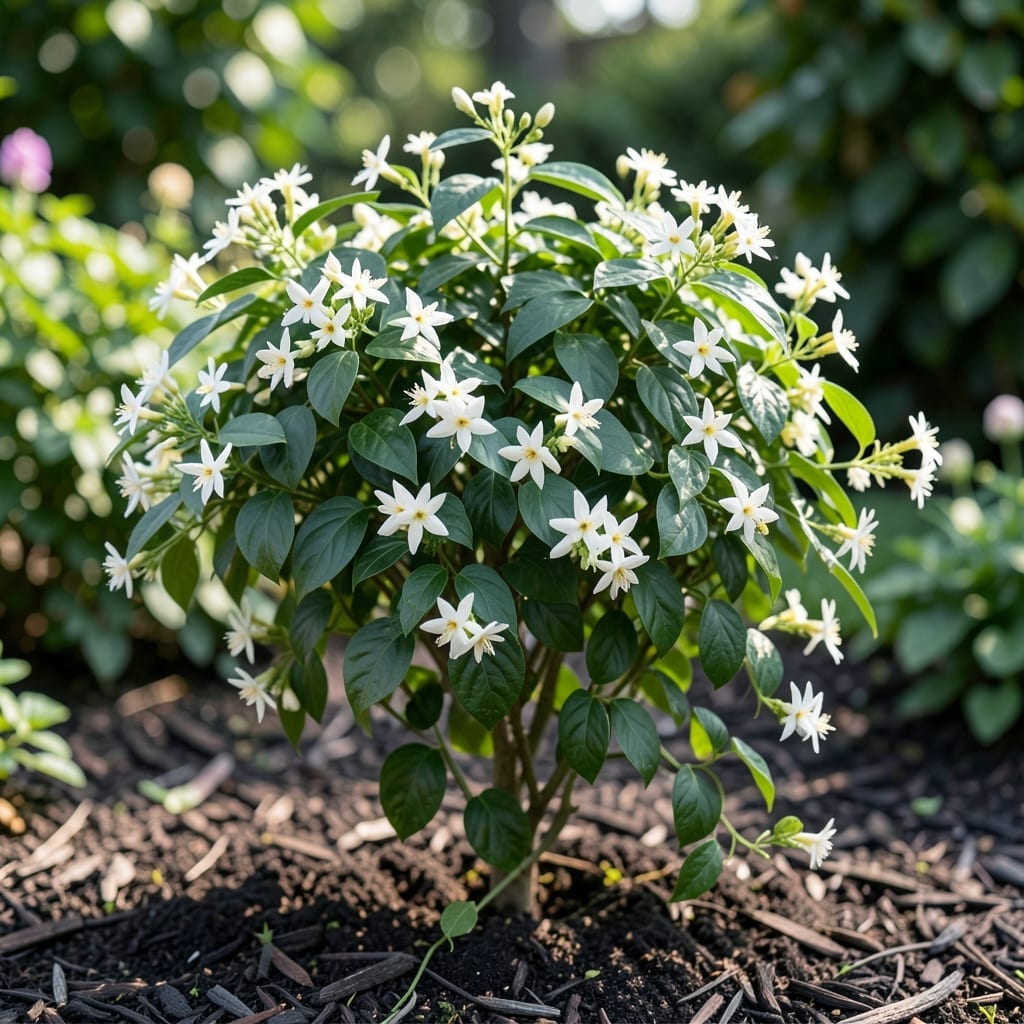
There’s nothing quite like the sweet aroma of Jasmine 🌸 filling your garden, but timing is everything. Different varieties bloom at different times, from early spring to late summer.
I’ve learned that understanding your specific type and local climate makes all the difference. Whether you’re in zone 6 or a warmer region, these factors determine when you’ll see those beautiful flowers.
Discover how to predict your Jasmine‘s blooming season and learn simple care tips to encourage the most vibrant display. Let’s make your garden the talk of the neighborhood.
If you’ve ever wondered when does jasmine flower, the answer depends on the variety. Common Jasmine typically blooms from spring to early summer, while Star Jasmine favors late spring through summer.
Winter Jasmine bucks the trend entirely, producing its bright yellow flowers in late winter to early spring. Each type has its own rhythm, making jasmine a versatile choice for year-round interest.
| Variety | Blooming Season | Climate Preference |
|---|---|---|
| Common Jasmine | Spring to Early Summer | Warm Temperate |
| Star Jasmine | Late Spring to Summer | Subtropical |
| Winter Jasmine | Late Winter to Early Spring | Cool Temperate |
| Spanish Jasmine | Summer to Early Fall | Mediterranean |
| Pink Jasmine | Spring to Summer | Tropical |
I’ve found that Common Jasmine thrives in USDA zones 7-10, blooming most abundantly in April through June. The flowers are most fragrant in the evening, perfect for garden enjoyment after work.
Star Jasmine, also called Confederate Jasmine, prefers warmer climates. In zones 8-11, it can bloom twice a year – once in spring and again in late summer if conditions are right.
Winter Jasmine is the earliest bloomer, often flowering when other plants are still dormant. It’s hardy down to zone 6 and can handle brief cold snaps, making it ideal for early season color.
For Spanish Jasmine, expect flowers from June to September. This variety loves heat and full sun, making it perfect for southern gardens where other jasmines might struggle.
Pink Jasmine offers a unique twist with its vibrant flowers. It blooms from March to August in tropical climates, providing months of color and fragrance.
Remember that local microclimates can affect these timelines. A south-facing wall might encourage earlier blooming, while shady spots could delay flowers by weeks.
In my experience, consistent watering and proper pruning can extend the blooming period. I always recommend morning watering to prevent fungal issues that might shorten the flowering season.
Want to enjoy jasmine blooms longer? I’ve found that with the right care, you can extend the flowering season significantly. Proper pruning at the right time encourages new growth and more flowers.
Fertilizing with a balanced 10-10-10 formula every 4-6 weeks during the growing season keeps your plant healthy and flowering. Just be sure to stop fertilizing in late summer to avoid encouraging tender new growth before winter.
I always deadhead spent blooms to prevent seed formation. This simple step tells the plant to produce more flowers instead of focusing on seed development. It’s one of the easiest ways to prolong the show.
Light exposure is critical for jasmine. If your plant isn’t flowering well, it might need more direct sunlight. I’ve seen plants in shady spots produce far fewer blooms than those in full sun.
Watering consistency matters too. Jasmine prefers deep, infrequent watering over frequent shallow sprinkles. This encourages strong root development, which supports better flowering.
Finally, don’t overlook soil quality. Jasmine thrives in well-draining, slightly acidic soil. I recommend amending with compost before planting and mulching annually to maintain fertility. 🌿