
Beautiful Plants For Your Interior
Beautiful Plants For Your Interior
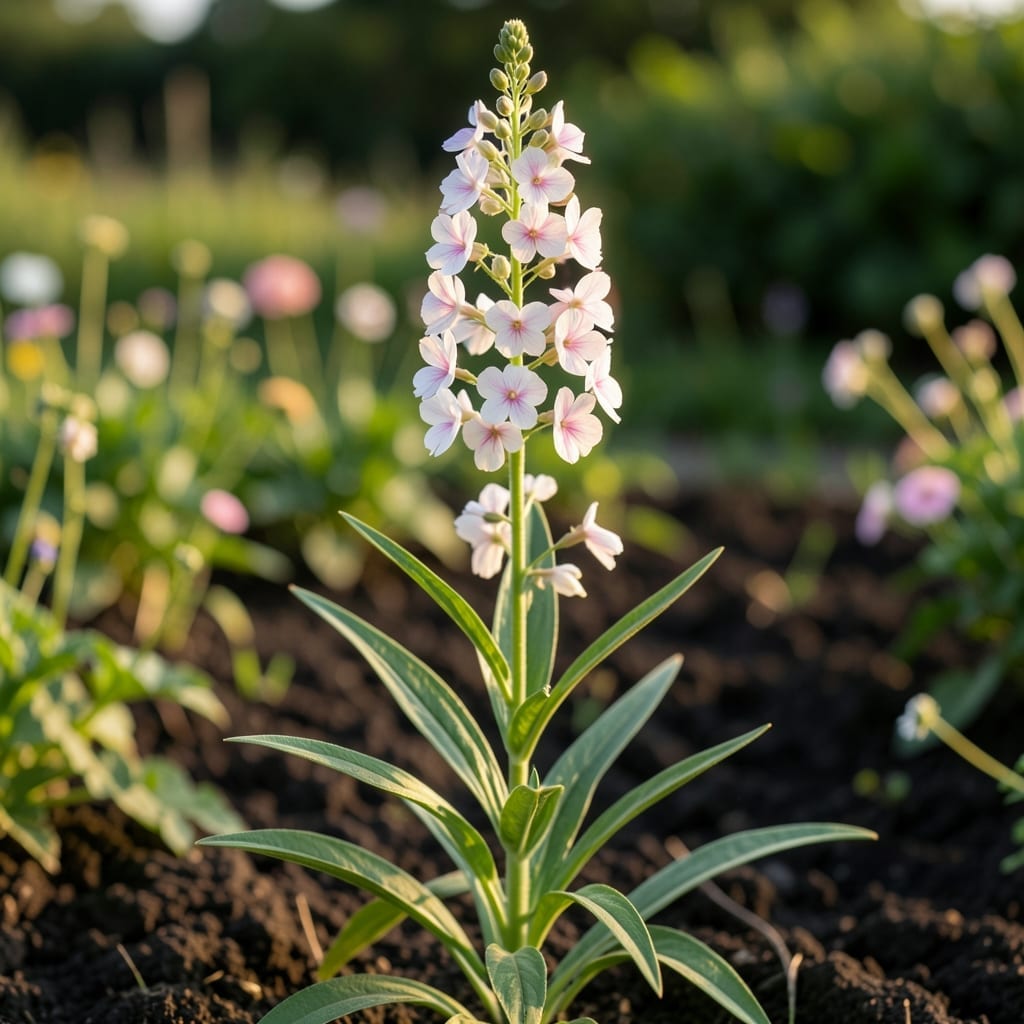
There’s something magical about watching Gaura 🌸 sway in the breeze, its delicate blooms dancing like tiny butterflies in your garden.
As a gardener, timing is everything – and knowing when this hardy perennial will burst into color can make all the difference in your landscape planning.
From late spring through early fall, you’ll typically enjoy its long-lasting floral display, though the exact timing can vary by region.
Let me share what I’ve learned about maximizing its blooming potential and how to keep those beautiful flowers coming all season long.
If you’re wondering when does gaura bloom, you’re in for a treat. This charming perennial typically starts its first flower flush in late spring, around May, and continues through summer with proper care.
In warmer climates like Zones 7-9, gaura may begin blooming as early as April. Cooler regions in Zones 5-6 often see their first flowers in June as the soil warms up.
| Climate Zone | Blooming Period |
|---|---|
| Zones 5-6 | June-September |
| Zones 7-8 | April-October |
| Zone 9 | March-November |
| All Zones | Peak in summer months |
The peak blooming period for gaura occurs during the hottest summer months. In most regions, you’ll see the most abundant flowers from July to August, with each stem producing dozens of delicate blooms.
I’ve noticed that daylight length significantly impacts gaura’s flowering. In areas with long summer days, the plants often produce a second flush of blooms in early fall, especially if you deadhead regularly.
Temperature plays a crucial role too. Gaura thrives in warm conditions between 70-85°F. If you’re in a region with hot summers, your gaura might take a brief pause during extreme heat but will resume blooming as temperatures moderate.
For gardeners in cooler climates, starting gaura indoors in early spring can give you a head start on the blooming season. I recommend transplanting seedlings outdoors only after the last frost date has passed.
Soil temperature also affects when gaura blooms. The plants prefer well-draining soil that warms up quickly in spring. In my experience, gaura planted in raised beds often blooms 1-2 weeks earlier than those in ground soil.
To maximize your gaura’s blooming potential, ensure it receives full sun for at least 6-8 hours daily. I’ve found that plants in partial shade may have a shorter blooming period and produce fewer flowers.
Remember that established gaura plants are more resilient and may bloom earlier in the season than newly planted ones. With proper care, you can enjoy gaura’s butterfly-like flowers for up to 5-6 months each year. 🌸
I’ve found that with the right care, Gaura can keep blooming from late spring well into early fall. This hardy perennial thrives when given consistent attention to its basic needs.
To maximize its flowering, I focus on deadheading spent blooms regularly. This simple step encourages the plant to produce more flowers rather than setting seed.
I
A light feeding with a balanced fertilizer in early spring gives my Gaura the nutrients it needs without promoting excessive foliage at the expense of flowers.
Another trick I swear by is midsummer pruning. By cutting back the stems by about one-third, I often get a second flush of blooms in late summer or early fall.
Remember that full sun exposure is key. My Gaura plants in shadier spots tend to have fewer flowers and weaker stems. Aim for at least 6 hours of direct sunlight daily.
With these simple steps, you can enjoy Gaura’s delicate butterfly-like blooms for months on end ☀️🌸