
Beautiful Plants For Your Interior
Beautiful Plants For Your Interior
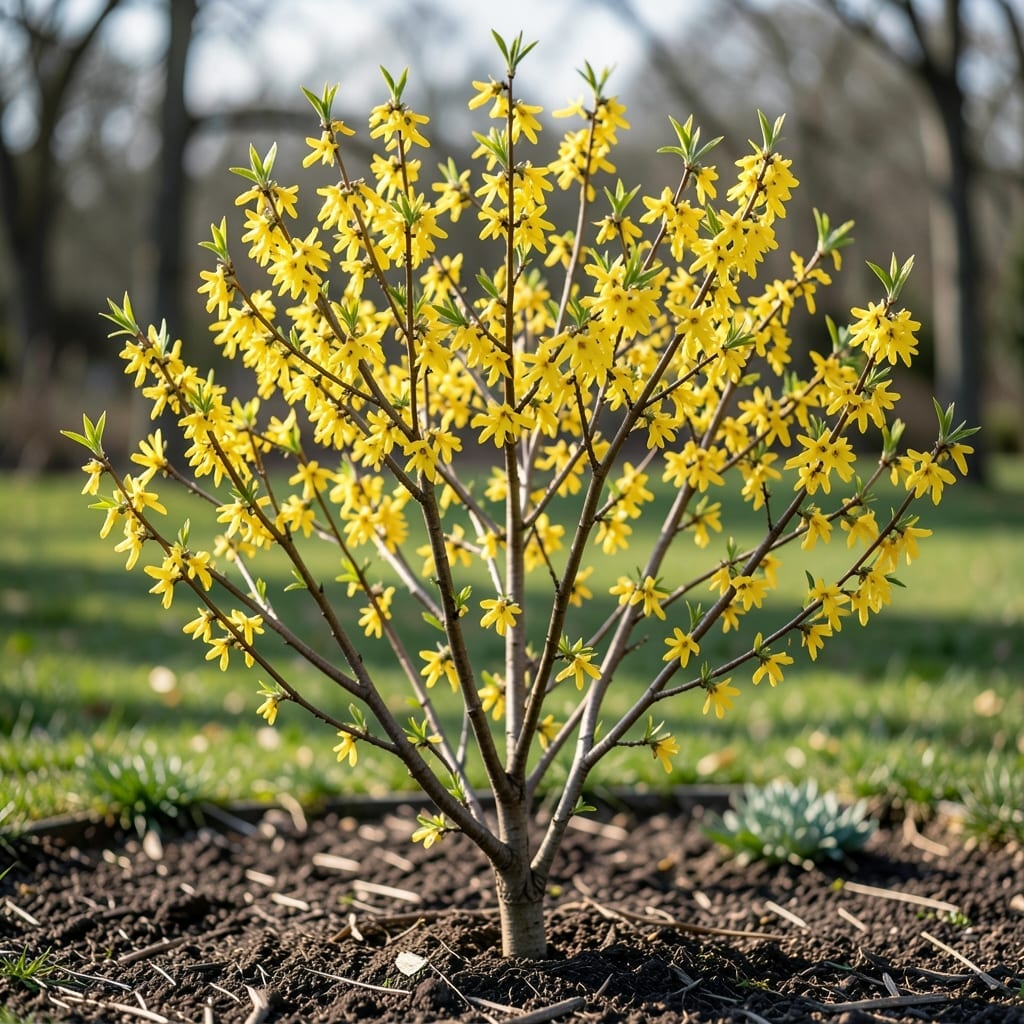
That first flash of golden yellow in your yard can only mean one thing – the 🌼 Forsythia is ready to put on its annual show. But when exactly should you expect this vibrant display?
Timing varies more than you might think. From early March in warmer zones to mid-April in cooler areas, several factors influence when those cheerful blooms appear.
Let me walk you through what determines your Forsythia’s blooming schedule and how to ensure you don’t miss a single moment of its spectacular spring performance.
I love watching my forsythia shrubs explode with golden blooms each spring. The timing of this display varies significantly across the country, primarily due to climate differences and regional weather patterns.
In my experience, the blooming period typically spans from early March to mid-April, but this can shift earlier or later depending on where you garden. Let me break down what to expect in your area.
| USDA Zone | Bloom Start | Peak Bloom | Bloom End |
|---|---|---|---|
| 5-6 | Late March | Early April | Mid April |
| 7 | Early March | Mid March | Late March |
| 8 | Late February | Early March | Mid March |
The warmest zones like USDA 8 often see blooms as early as February, while cooler areas in zones 5-6 might not see flowers until April. This variation is why I always tell gardeners to watch their local weather patterns.
Temperature plays a huge role. Forsythia needs a period of winter chill to set buds properly. If we have an unusually mild winter, the blooms might appear earlier than normal. Conversely, a late frost can delay the show.
I’ve noticed that urban areas often bloom 1-2 weeks earlier than rural locations due to the heat island effect. The concrete and asphalt absorb and retain heat, creating microclimates that trick plants into blooming sooner.
Another factor is the specific variety of forsythia. Some cultivars like ‘Lynwood Gold’ are known for their early blooming habit, while others may flower a bit later in the season.
The amount of sunlight your shrub receives also impacts bloom time. In my garden, the forsythia in full sun positions always bloom before those in shadier spots, sometimes by several days.
Soil conditions matter too. Well-drained, fertile soil encourages healthy growth and timely blooming. If your soil is poor or waterlogged, you might see a delay in those beautiful yellow flowers.
Finally, remember that pruning timing affects next year’s blooms. Since forsythia sets its flower buds in the previous summer, pruning at the wrong time can remove potential blooms. I always prune my shrubs immediately after they finish flowering.
By understanding these factors, you’ll be better prepared to anticipate and enjoy your forsythia’s spectacular spring display 🌼
To get the most from your forsythia shrubs, I focus on four key factors: sunlight, pruning, fertilization, and watering. Each plays a crucial role in encouraging early blooms and extending the flowering season.
First, ensure your shrub gets 6+ hours of sun daily. More sunlight often means earlier blooms and more abundant flowers. In my garden, the sunnier spots always produce the most spectacular displays.
I’ve found that proper pruning is the most critical step. Since forsythia sets its flower buds in summer, pruning in late summer or fall can remove potential blooms. I always wait until just after the flowers fade.
For fertilization, I use a balanced fertilizer in early spring to give my shrubs a nutrient boost. This helps produce more vibrant blooms and encourages healthy growth. Avoid fertilizing in late summer, as it can stimulate new growth that may not harden off before winter.
Consistent watering is also key. While forsythia is drought-tolerant once established, regular watering during dry periods helps maintain healthy growth and supports abundant blooming. I water deeply once a week, allowing the soil to dry slightly between waterings.
Finally, don’t underestimate the power of mulching. A 2-3 inch layer of organic mulch helps retain soil moisture, suppresses weeds, and keeps the root zone cool. This simple step can make a noticeable difference in your forsythia’s overall health and blooming performance 🌼