
Beautiful Plants For Your Interior
Beautiful Plants For Your Interior
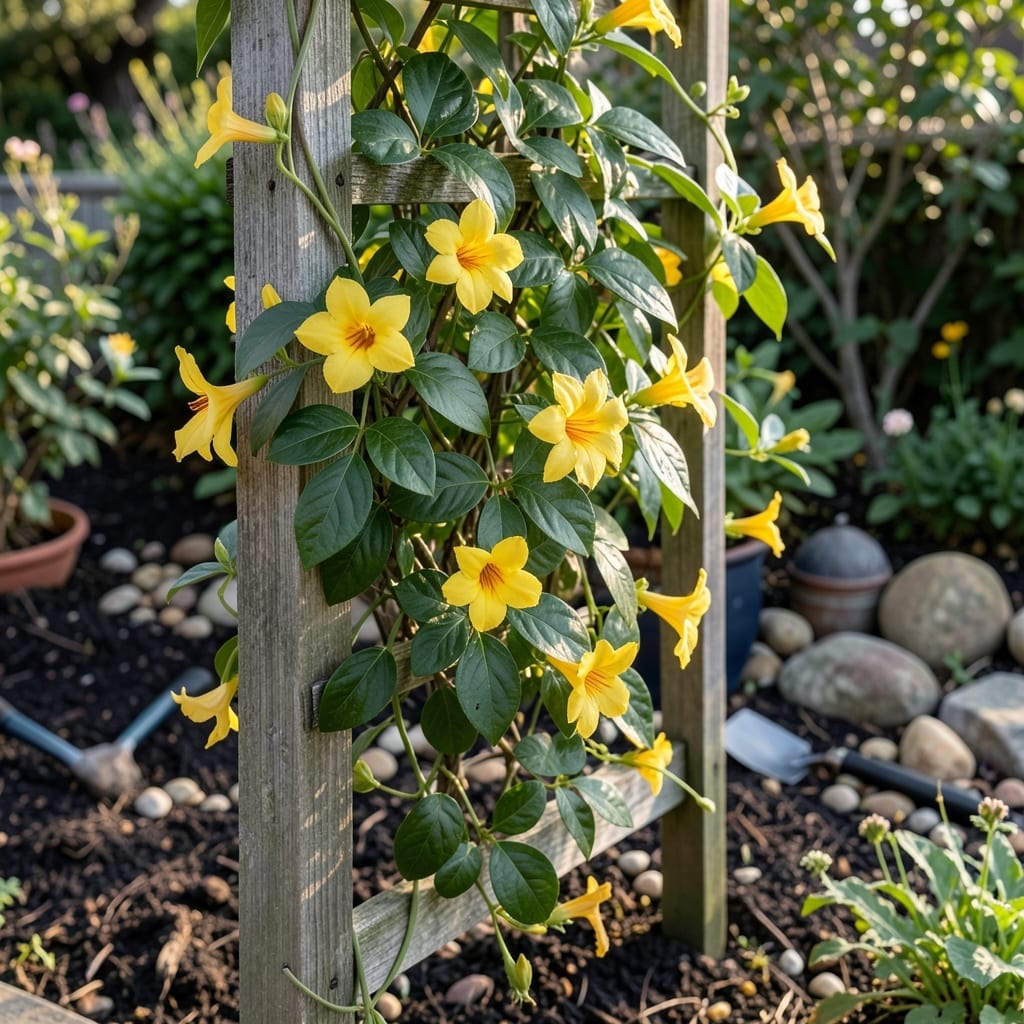
There’s nothing quite like the first sight of Carolina Jessamine 🌸 bursting into vibrant yellow blooms. It’s nature’s way of telling us spring is on the way, especially in southern gardens.
Knowing exactly when this native vine flowers helps you plan your landscape and enjoy its fragrant display to the fullest. I’ve seen it transform dull winter spaces into stunning spring showcases.
What many gardeners don’t realize is that timing varies by region. In zones 7-10, you’ll typically see those cheerful blooms appear during a specific window each year.
Let me share the precise timing and care tips that will help you make the most of your Carolina Jessamine’s blooming season. You won’t want to miss this.
If you’re wondering when Carolina jessamine blooms, you’re in for a treat. This native southeastern vine typically bursts into vibrant yellow flowers from late winter to early spring, often as early as February in warmer climates.
In my experience, the exact bloom time varies by USDA hardiness zones. Gardeners in zones 7-8 see flowers in February-March, while those in zones 9-10 may enjoy blooms starting in January and lasting through March.
| Region | Bloom Period | Peak Display |
|---|---|---|
| Zones 7-8 | February-March | Early March |
| Zones 9-10 | January-March | Late February |
| Cooler Areas | March-April | Early April |
The fragrant blossoms of Gelsemium sempervirens are a sure sign that spring is near. I’ve noticed that warmer winters can trigger earlier blooming, sometimes by several weeks.
For the most abundant display, ensure your vine gets full sun to partial shade. I recommend planting it where it can climb a trellis or fence for optimal exposure. The more sunlight it receives, the more prolific the blooms will be.
Frost can damage the delicate flowers, so in cooler zones, you might see a delayed or shorter bloom period. I always suggest protecting young vines with mulch or frost cloth during unexpected cold snaps.
The sweet-scented yellow blooms are not just beautiful—they’re also a pollinator magnet. I love watching bees and butterflies flock to my Carolina jessamine when it’s in full bloom. It’s a garden highlight every year.
If your vine isn’t blooming, check its age and health. Carolina jessamine typically takes 2-3 years to mature enough to produce flowers. I’ve found that proper pruning after the bloom cycle encourages more vigorous flowering the next season.
Soil conditions matter too. This vine thrives in well-draining, slightly acidic soil. I always amend my planting area with compost or peat moss to create the ideal growing environment for these stunning blooms. ☀️
Remember that consistent moisture during the growing season helps set the stage for next year’s flowers. I water my Carolina jessamine deeply once a week, adjusting for rainfall, to keep it happy and blooming beautifully. 🌿
To extend the vibrant yellow blooms of Carolina Jessamine, I focus on providing optimal growing conditions. This native vine thrives with full sun to partial shade and well-draining soil to support its flowering cycle.
I’ve found that consistent moisture without waterlogging is key, especially during the early spring bloom season. A balanced fertilizer applied in early spring can also boost flower production and longevity.
In my experience, pruning at the right time is critical. I always prune immediately after flowering to avoid cutting off next year’s buds, which form on old wood. This keeps the vine looking neat while promoting healthier blooms.
Soil quality can’t be overlooked. I amend the planting area with organic compost to improve drainage and fertility. Carolina Jessamine prefers slightly acidic to neutral soil, so I test my soil pH and adjust if needed.
Support structures like trellises or fences help the vine grow upward, increasing air circulation and sun exposure. This can lead to more abundant blooms and a longer flowering period.
Finally, I monitor for pests or diseases that might stress the plant. Healthy vines produce more flowers for a longer time, so I address any issues promptly to keep my Carolina Jessamine thriving 🌷