
Beautiful Plants For Your Interior
Beautiful Plants For Your Interior
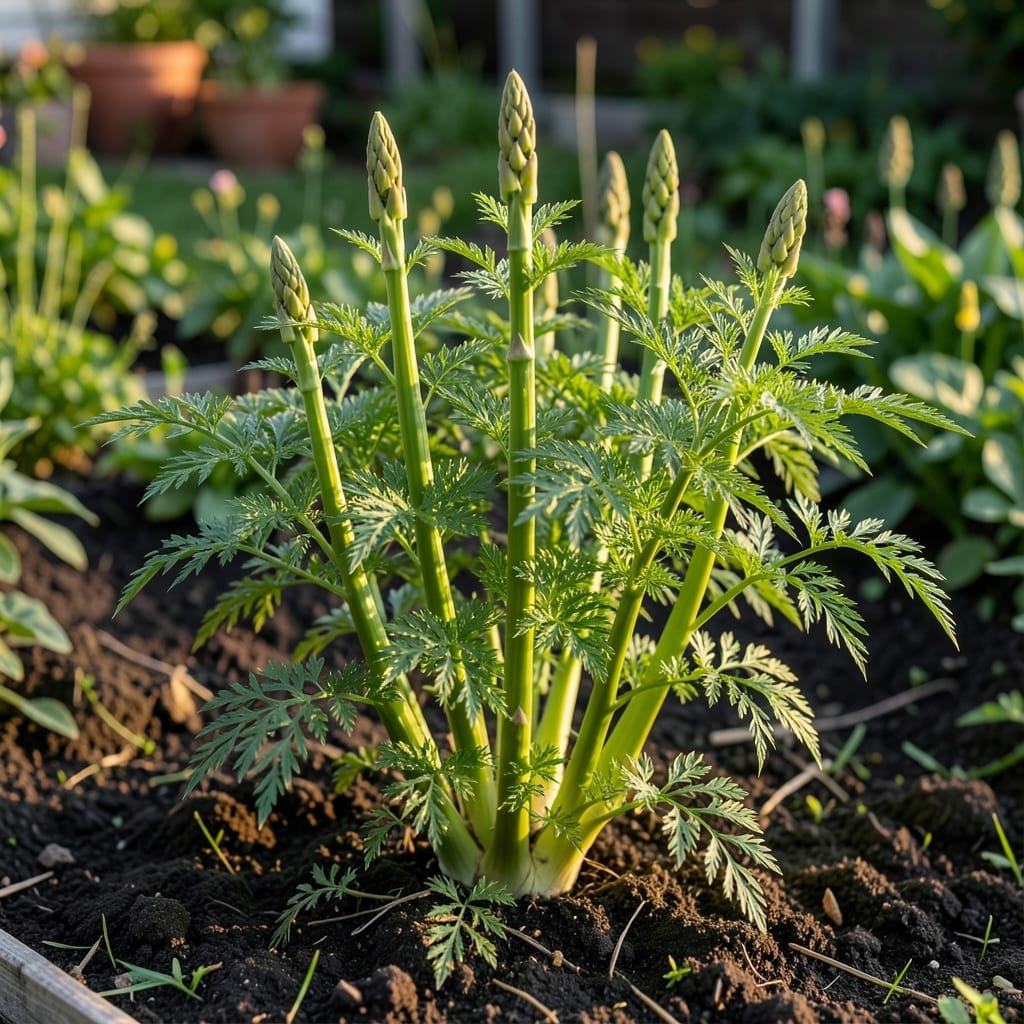
Watching your asparagus bed for those first tender spears can feel like waiting for a secret to unfold. I remember my own excitement the first time I spotted 🌱 Asparagus pushing through the soil in early spring.
Timing is everything with this perennial favorite. The spears typically emerge when soil temperatures reach 50-60°F, usually between April and June for most gardeners.
Let me walk you through what to expect and how to care for your patch during this critical growth phase. The wait is always worth it.
As a gardener, I know the excitement of spotting those first asparagus spears pushing through the soil. The timing depends on your climate zone and soil warmth, but there are clear patterns to watch for.
In most regions, asparagus emerges in early to mid-spring when soil temperatures reach 50-60°F. This typically happens between April and June, though warmer zones may see spears as early as March.
| USDA Zone | Typical Emergence | First Harvest |
|---|---|---|
| 3-4 | Late April – May | Year 3 |
| 5-6 | Early April – May | Year 2-3 |
| 7-8 | March – April | Year 2 |
| 9 | February – March | Year 2 |
I’ve found that sandy soils warm up faster than clay, often producing spears 1-2 weeks earlier. A south-facing bed can also accelerate emergence by 5-7 days compared to shaded areas.
For new plantings, remember that asparagus crowns need 2-3 years to establish before harvesting. In the first year, you might see sparse spears, but resist the urge to pick them.
In my experience, established beds produce spears more consistently. Each crown can send up 8-10 spears per season once fully mature, typically in year 3-4 of growth.
The length of your harvest window varies by climate. Cooler zones like Zone 4 may have a 4-6 week harvest period, while warmer areas like Zone 8 can stretch to 8-10 weeks.
Watch for soil temperature rather than just air temperature. I use a soil thermometer to check at 4-inch depth – when it hits 50°F, spears usually appear within 7-10 days.
Early spears may be thin, but they thicken as the season progresses. The first flush is always the most tender. I’ve noticed that morning harvesting yields the crispest spears before the heat of the day.
Regional variations matter. In the Pacific Northwest, cool springs may delay emergence until May, while Southern gardeners might see spears in February. Always adjust for your local last frost date.
I mark my calendar for soil prep in late winter, ensuring beds are weed-free and topped with 2-3 inches of compost before spears emerge.
I always get a thrill when I see those first pencil-thin asparagus spears breaking through the soil. They’re easy to spot once you know what to look for. The spears emerge as tightly closed tips with a slightly purplish hue in many varieties.
Early asparagus can be mistaken for weeds, but there are key differences. Unlike weeds, asparagus spears grow straight and smooth with a uniform thickness. I check my beds daily in spring to catch them at the perfect 6-8 inch height for harvesting.
I’ve learned that morning inspections are best for spotting new spears. They grow surprisingly fast – sometimes 2-3 inches in a single warm day. I mark their locations with small sticks to avoid accidentally damaging them while weeding.
Frost protection is crucial for early spears. I keep frost blankets or old sheets handy for unexpected cold snaps. Even a light frost can damage tender new growth, setting back your harvest by 1-2 weeks.
Asparagus beetles love new spears as much as we do. I check for their black and red bodies or tiny eggs on the stalks. A quick hand-pick in the morning when they’re sluggish works well for small infestations.
For new gardeners, I recommend taking photos of your emerging spears. This helps you recognize them more easily next year and track your bed’s progress over time.