
Beautiful Plants For Your Interior
Beautiful Plants For Your Interior
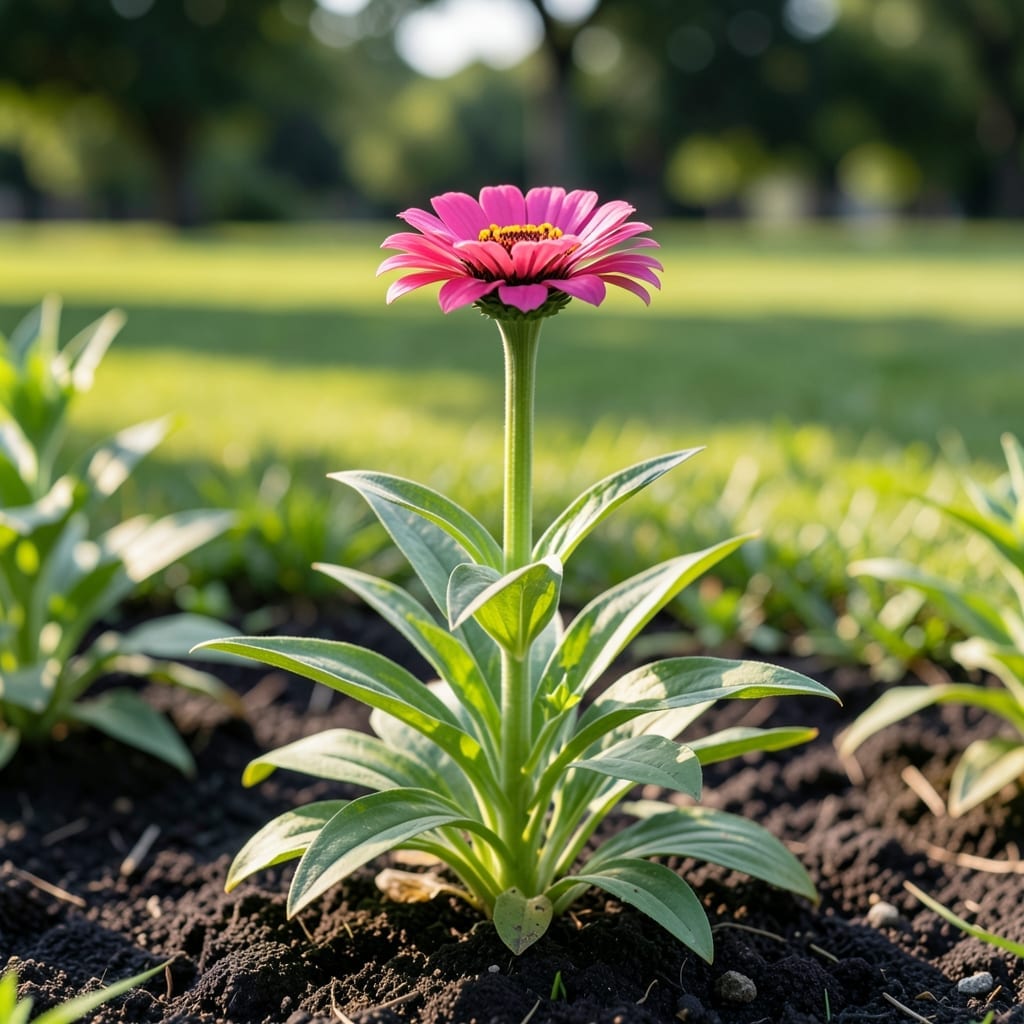
There’s nothing quite like watching your garden explode with color, and the 🌼 Zinnia is one of the easiest ways to make that happen. These cheerful flowers are a summer staple, but their blooming schedule often surprises new gardeners.
While many assume Zinnias follow a strict calendar, their actual timing depends on when you plant and how you care for them. The good news? With the right approach, you can enjoy their vibrant display for months.
I’ve learned that getting the timing right means understanding your local conditions and the variety you choose. It’s simpler than you might think to sync their bloom with your garden goals.
Discover how to time your Zinnia planting for a season packed with color. The secrets might just change how you plan your entire garden.
I love watching zinnias transform from tiny seeds to vibrant blooms. The journey starts with planting, and understanding each stage helps me time my garden perfectly for maximum color impact. Warm soil is the first requirement for success.
Most zinnia varieties take 60-70 days from planting to first flowers, though this can vary. I’ve found that germination typically takes 5-7 days in ideal conditions, with the first true leaves appearing shortly after.
| Stage | Duration | Key Action |
|---|---|---|
| Germination | 5-7 days | Keep soil moist |
| Seedling Stage | 2-3 weeks | Thin to 6-12 inches |
| Vegetative Growth | 3-4 weeks | Fertilize lightly |
| Blooming Begins | 60-70 days | Deadhead regularly |
The climate plays a huge role in when my zinnias bloom. In my warmer Zone 7 garden, I often see flowers by early summer. But in cooler areas, gardeners might wait until mid-summer for the first colorful display.
I’ve noticed that dwarf varieties like ‘Thumbelina’ often bloom faster, sometimes in as little as 50 days. Meanwhile, taller types like ‘Benary’s Giant’ can take up to 90 days but reward with spectacular height.
Soil temperature is critical for germination. I always wait until the soil reaches at least 60°F before planting. This ensures quick sprouting and strong early growth, setting the stage for timely blooming.
Watering consistently during the first few weeks helps my zinnias establish strong roots. I aim for 1 inch of water per week, either from rain or my watering can. This steady moisture supports rapid growth toward blooming.
The amount of sunlight my zinnias receive directly affects their bloom time. I make sure they get at least 6-8 hours of direct sun daily. Less light can delay flowering or result in weaker, less colorful blooms.
I’ve learned that succession planting can extend my zinnia season. By sowing new seeds every 2-3 weeks, I enjoy continuous blooms from early summer until the first frost hits my garden.
Deadheading spent blooms is one of my favorite ways to encourage more flowers. This simple practice tells the plant to focus on producing new blooms rather than seeds, often extending the flowering period by several weeks. ☀️
If you want a garden that stays vibrant from early summer through fall, I’ve found that Zinnias are your best ally. These hardy flowers can bloom continuously for 2-3 months with the right care.
The key is encouraging new growth as old blooms fade. This starts with understanding their natural cycle and stepping in at the right moments to prolong the show.
I always make deadheading a weekly habit. It’s amazing how quickly Zinnias respond by pushing out fresh buds when you snip off the old ones just above a leaf node.
For watering, I stick to morning sessions to let foliage dry before evening. This simple step prevents fungal issues that can cut blooming short. 1 inch of water weekly is ideal for most soil types.
Don’t overdo the fertilizer—too much nitrogen gives you leafy plants with fewer flowers. I use a balanced feed sparingly, focusing on phosphorus to boost those vibrant blooms we all love.
Finally, staggered planting ensures you’re never without color. I start my first batch after the last frost, then add new seeds every couple of weeks until midsummer. This way, as one group fades, another is ready to take center stage ☀️