
Beautiful Plants For Your Interior
Beautiful Plants For Your Interior
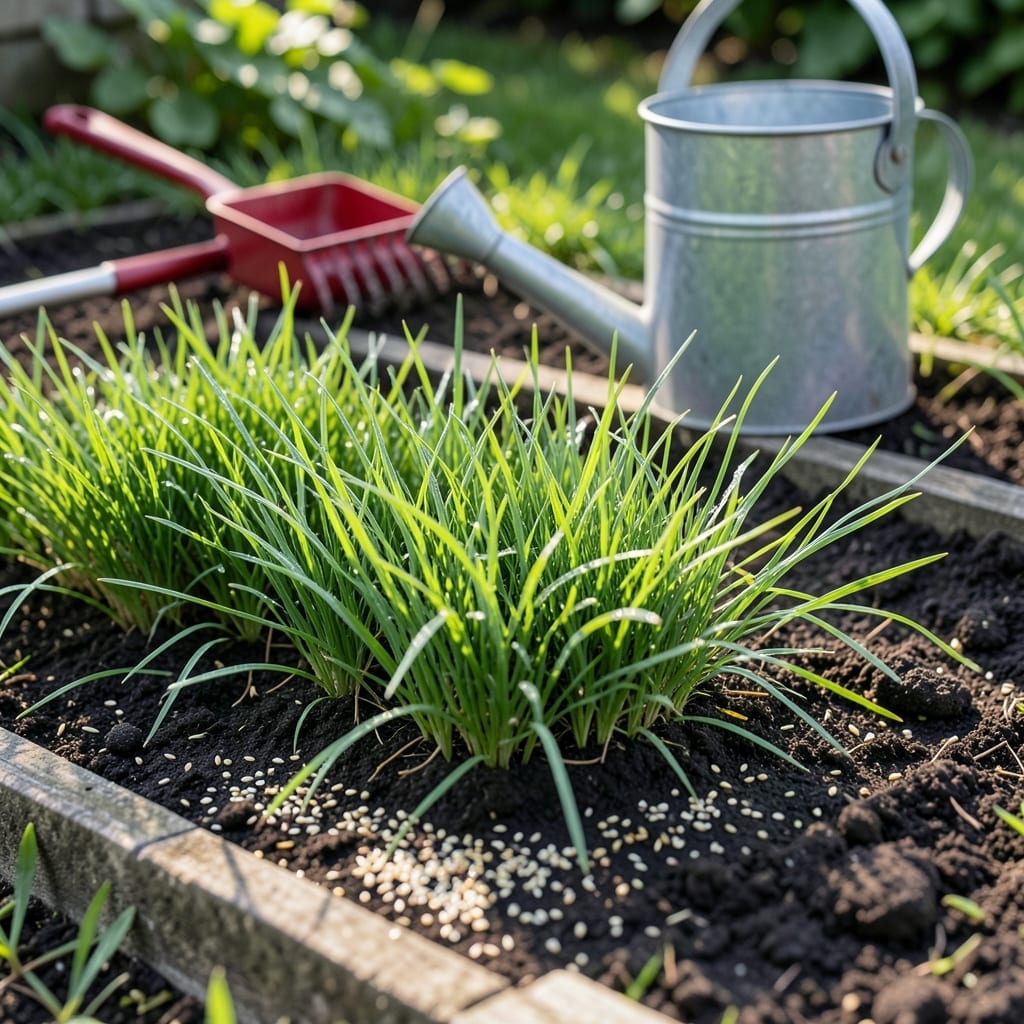
Timing is everything when planting Winter Grass ❄️ in Arizona’s unique desert climate. Plant too early, and summer heat can kill your seeds before they even sprout.
Plant too late, and frost may stunt growth before establishment. The sweet spot is when soil temperatures drop to a more welcoming range.
I’ve seen many gardeners struggle with this balance, but getting it right makes all the difference. Arizona’s Zone 9b offers a narrow window that you don’t want to miss.
Discover the exact timing and preparation steps to ensure your Winter Grass thrives. Let’s make this fall planting season your most successful yet.
In Arizona’s desert climate, timing your winter grass planting is critical for success. The ideal window is typically September to October, when soil temperatures cool but frost hasn’t arrived.
Planting too early risks seed scorching from lingering summer heat, while late planting may not establish before first frost. The sweet spot is when soil temps hit 60-75°F for optimal germination.
| Region | Best Months | Soil Temp | Notes |
|---|---|---|---|
| Phoenix | Sept-Oct | 65-75°F | Avoid August heat |
| Tucson | Mid-Sept to Nov | 60-70°F | Higher elevation tolerance |
| Flagstaff | Late Aug-Sept | 55-65°F | Early frost risk |
For Phoenix gardeners, I recommend planting ryegrass or fescue in early September to beat the heat. These cool-season grasses thrive in Arizona winters but need time to establish.
In Tucson, the window extends slightly due to its milder summers and higher elevation. Here, you can plant as late as early November with good results, especially with drought-tolerant varieties.
Flagstaff’s high desert demands earlier planting. I’ve seen best results with August planting to ensure roots establish before first frost, which can arrive as early as mid-October in some years.
Regardless of region, always check soil temperature with a soil thermometer. If it’s above 80°F, wait a week or two. If it’s below 55°F, you’re pushing your luck.
I also suggest watering deeply before planting to ensure moisture penetration in Arizona’s dry soil. This helps seeds make contact with moist soil for faster germination.
For overseeders, timing is even more critical. I’ve found that scalping the lawn and planting 2-3 weeks before your target date gives the best transition from summer to winter grass.
Remember, Arizona’s microclimates vary greatly. If you’re in a low desert area, stick to the earlier end of the planting window. In higher elevations, you can often plant a bit later.
Finally, keep an eye on weather forecasts. If an unseasonal heatwave is predicted, delay planting. Patience pays off with winter grass in Arizona’s unique climate 🌱
Preparing your Arizona lawn for winter grass seed starts with timing. I always recommend beginning soil prep in late August to beat the heat. This gives you a head start before the ideal September-October planting window arrives.
First, I remove debris and aerate compacted soil to improve seed-to-soil contact. Arizona’s hardpan can prevent roots from penetrating deeply, so this step is critical for healthy establishment. ☀️
I’ve found that ryegrass blends work best in our Zone 9b climate. They germinate quickly and handle Arizona’s temperature swings better than other varieties.
Watering is another key factor. I use a light daily misting for the first week after planting, then gradually reduce frequency. The goal is to keep the top inch of soil consistently moist without causing runoff or puddling.
Don’t forget to mow existing grass short before planting. This allows sunlight to reach the soil and warms it faster. I aim for a 1-inch height to give winter grass the best chance to establish.
Finally, I always apply a starter fertilizer high in phosphorus to promote root development. This gives the new grass a strong foundation before winter sets in. A light feeding every 4-6 weeks keeps it thriving. 🌱