
Beautiful Plants For Your Interior
Beautiful Plants For Your Interior
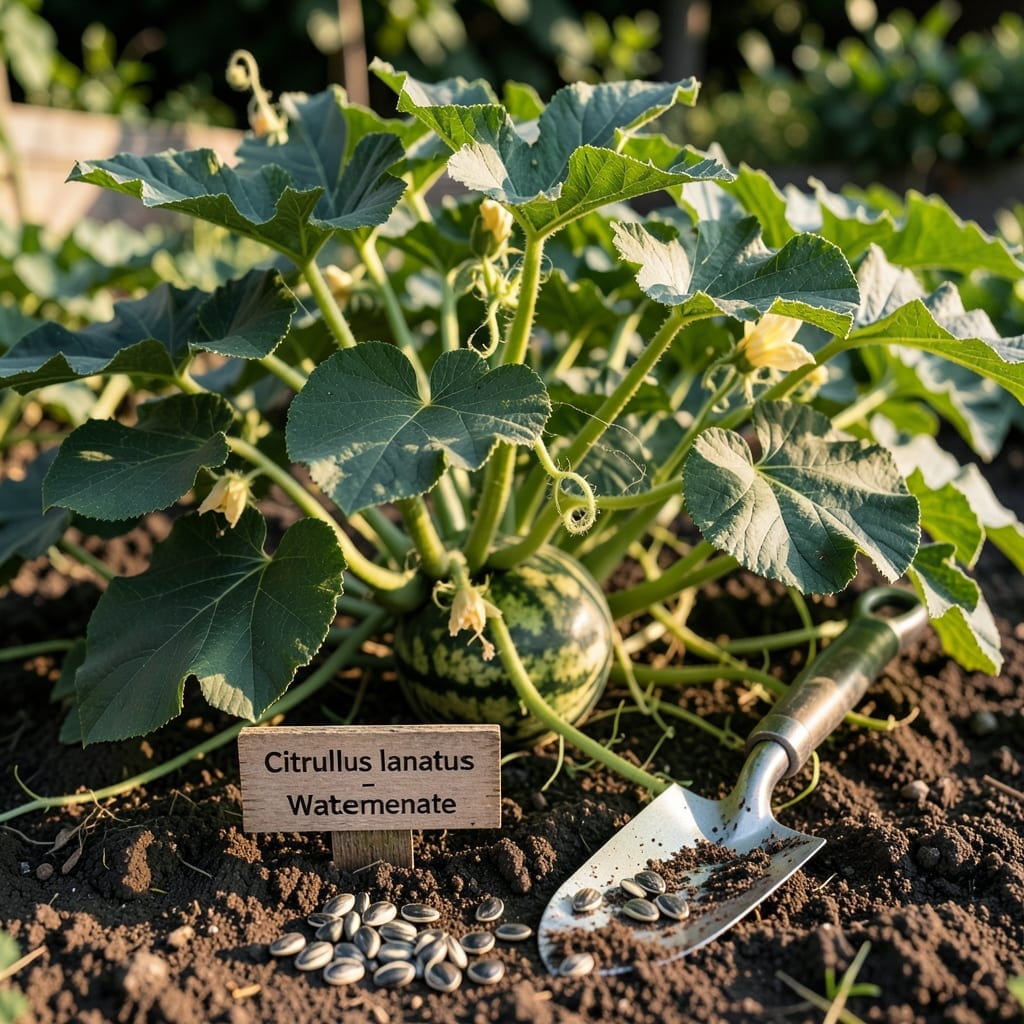
Timing is everything when planting Watermelon in Alabama—plant too early and frost may kill your vines, too late and summer heat could stunt growth.
From the Piedmont to the Gulf Coast, Alabama’s diverse climate zones require different approaches. Whether you’re in Birmingham or Mobile, getting the timing right can make or break your harvest.
I’ve seen gardeners struggle with this for years, but the solution is simpler than you think. It all comes down to understanding your local conditions and the needs of the 🍉 Watermelon.
Discover the perfect window for your region and learn how to set your plants up for success from day one. Let’s get started.
In Alabama, the ideal planting window for watermelons varies by region. The Piedmont in the north has cooler springs, while the Gulf Coast enjoys warmer soil earlier. Timing is critical for strong vine growth and sweet fruit development.
I always recommend checking soil temperature with a thermometer. Watermelons need 70°F minimum to germinate properly. Planting too early in cold soil can lead to poor stands and stunted growth.
| Region | Average Last Frost | Planting Window | Soil Temp Target |
|---|---|---|---|
| Piedmont (Birmingham, Huntsville) |
April 1-15 | Mid-April to May | 70°F+ |
| Central (Montgomery, Tuscaloosa) |
March 25-April 5 | Early April to May | 70°F+ |
| Gulf Coast (Mobile, Baldwin County) |
March 15-25 | Late March to April | 70°F+ |
The Piedmont region often experiences late frosts, so I suggest waiting until mid-April after the last frost date. This gives the soil time to warm properly for watermelon seeds or transplants.
For Central Alabama, the planting window opens earlier. Gardeners in Montgomery can often start in early April if soil temperatures are consistently above 70°F. Always verify with a soil thermometer.
Down on the Gulf Coast, the growing season starts earliest. I’ve had success planting as early as late March in Mobile and Baldwin County. The sandy soils warm quickly, perfect for watermelon vines.
Remember, variety selection matters too. Shorter-season types like ‘Sugar Baby’ (75 days) work well in cooler areas, while longer-season varieties like ‘Carolina Cross’ (100+ days) thrive in warmer zones.
I always advise using black plastic mulch in cooler regions. This warms the soil 5-10°F faster, allowing for earlier planting. It also helps retain moisture during Alabama’s hot summers.
For the most accurate timing, I recommend checking with your local extension office. They often provide real-time soil temperature data and can confirm when conditions are optimal for planting watermelons in your specific area.
No matter the region, I never plant watermelons until all danger of frost has passed and soil temperatures are consistently above 70°F. This simple rule has saved me from many disappointing crops over the years. ☀️
Planting watermelons in Alabama isn’t just about frost dates. I’ve learned that soil temperature is the most critical factor—vines won’t grow until soil hits 70°F consistently. Even after frost passes, cold soil can stunt growth. 🌱
Your watermelon variety matters too. Short-season types (70-90 days) are perfect for northern Alabama, while long-season varieties (100+ days) thrive in the warmer Gulf Coast. Always check seed packets for maturity dates.
Rainfall patterns also play a role. Alabama’s spring can be wet, so I recommend raised beds in low-lying areas. Too much moisture early on leads to rot, while drought later affects fruit development.
Don’t forget about pest pressures. Cucumber beetles love young watermelon plants. I use row covers early in the season to protect my vines until they’re established and flowering begins.
Succession planting is my secret for a longer harvest. I start a new batch of seeds every 2-3 weeks from early April to late May. This ensures I have ripe melons from July through September.
Finally, test your soil pH—watermelons prefer 6.0-6.8. A simple test kit from your local garden center can save you from poor growth and low yields. ✂️