
Beautiful Plants For Your Interior
Beautiful Plants For Your Interior
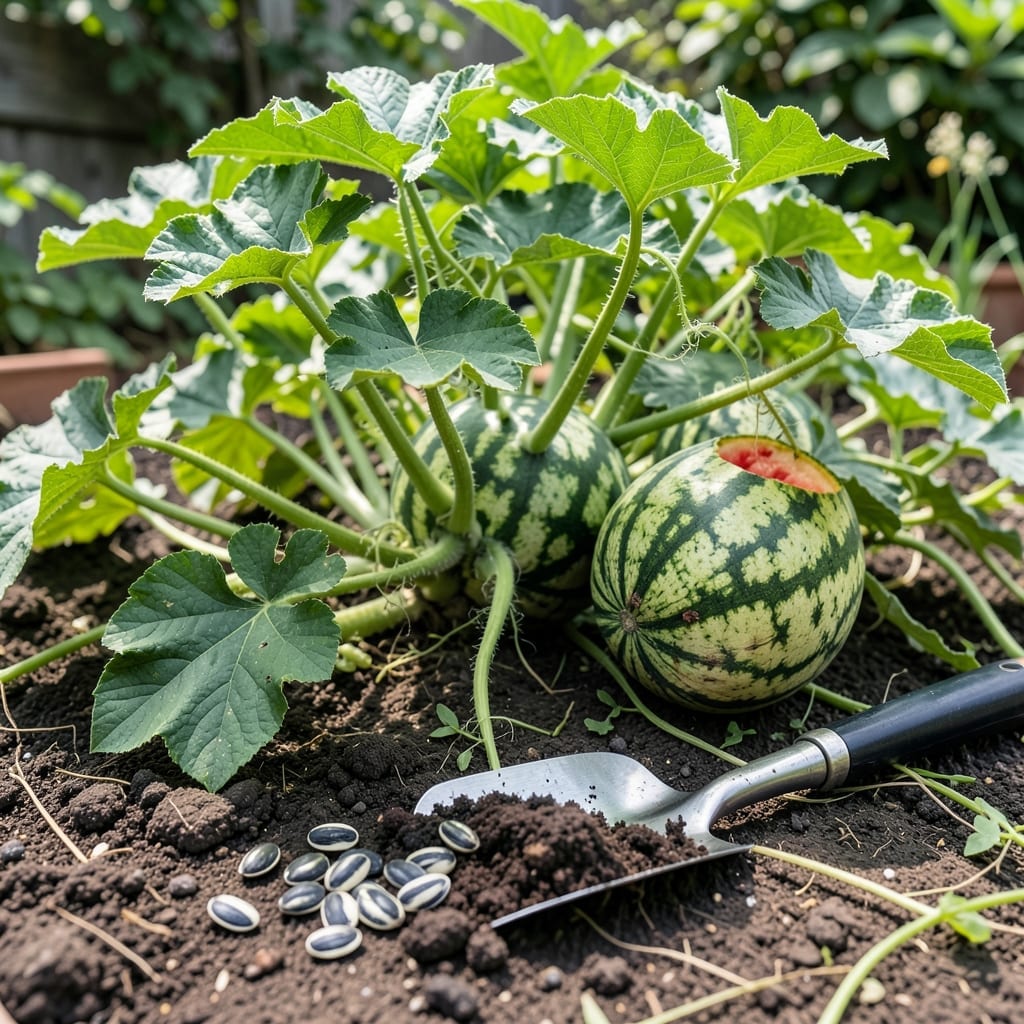
Timing is everything when planting Watermelon seeds in California—plant too early and frost will kill your seedlings, too late and you’ll miss the peak growing season.
This guide reveals the exact warm-season windows for every region in the Golden State. Whether you’re in coastal fog zones or inland valleys, getting this right makes all the difference.
I’ll show you how to work with California’s unique climate to give your 🍉 the best start. From soil temperature requirements to regional variations, we’ve got the answers.
Discover the simple timing secrets that lead to juicy, homegrown success this season.
California’s diverse USDA zones (7-11) mean planting windows vary dramatically. In coastal areas like San Francisco, cool springs delay planting until late April or May. But inland valleys can start as early as March.
The key factor isn’t just air temperature—soil must hit 70°F for reliable germination. Desert regions like Palm Springs might plant in February, while mountain areas wait until May or June.
| Region | Planting Window | Last Frost Date |
|---|---|---|
| Coastal (Zones 9-10) | Mid-April to May | February 15 |
| Inland Valleys (Zones 8-9) | March to April | March 15 |
| Desert (Zone 11) | February to March | January 31 |
| Mountains (Zones 7-8) | May to June | May 15 |
Microclimates add another layer of complexity. Areas near San Francisco Bay stay cooler longer, while Sacramento Valley heats up faster. Always check your local soil temps with a thermometer.
For early starts, use black plastic mulch to warm soil faster. This trick can give you a 2-3 week head start in cooler zones. Row covers also help protect young seedlings from unexpected late frosts.
Remember that watermelon varieties matter too. Short-season types like ‘Sugar Baby’ (75 days) work better in cooler areas, while long-season varieties like ‘Crimson Sweet’ (85-90 days) thrive in hotter regions.
In Southern California, you can often get two crops per year—one in spring and another in late summer for fall harvest. Northern gardeners usually stick to one planting in late spring.
Don’t rush it—planting in cold soil leads to poor germination and weak plants. I’ve seen gardeners lose entire crops by jumping the gun in early March during a cold snap.
For the most accurate timing, track your area’s last frost date and soil temperatures. When both the air and soil consistently stay above 70°F, it’s go time for watermelon seeds.
California’s long growing season means you have flexibility, but precision in timing will give you the sweetest, biggest melons of the summer 🌱
California’s unique microclimates demand smart strategies for watermelon success. I always recommend pre-warming soil with black plastic to hit that critical 70°F threshold faster in cooler zones.
For early planting, use row covers to protect seedlings from unexpected late frosts. This simple step can extend your growing window by weeks in marginal areas.
Overwatering is a common mistake that leads to weak plants. Watermelon seedlings need consistent moisture but can rot in waterlogged soil. I water deeply once a week unless rain provides enough.
For variety selection, ‘Sugar Baby’ (75 days) excels in cooler areas, while ‘Crimson Sweet’ (85-90 days) thrives in hotter regions. These choices can mean the difference between success and failure in your zone.
In Southern California, you can often plant a second crop in late summer for fall harvest. Just ensure you have 90 days before your first frost date for most varieties.
Finally, always test soil temperature with a thermometer. I’ve learned the hard way that guessing leads to poor germination and stunted plants. When in doubt, wait for consistent 70°F+ soil temps 🌱