
Beautiful Plants For Your Interior
Beautiful Plants For Your Interior
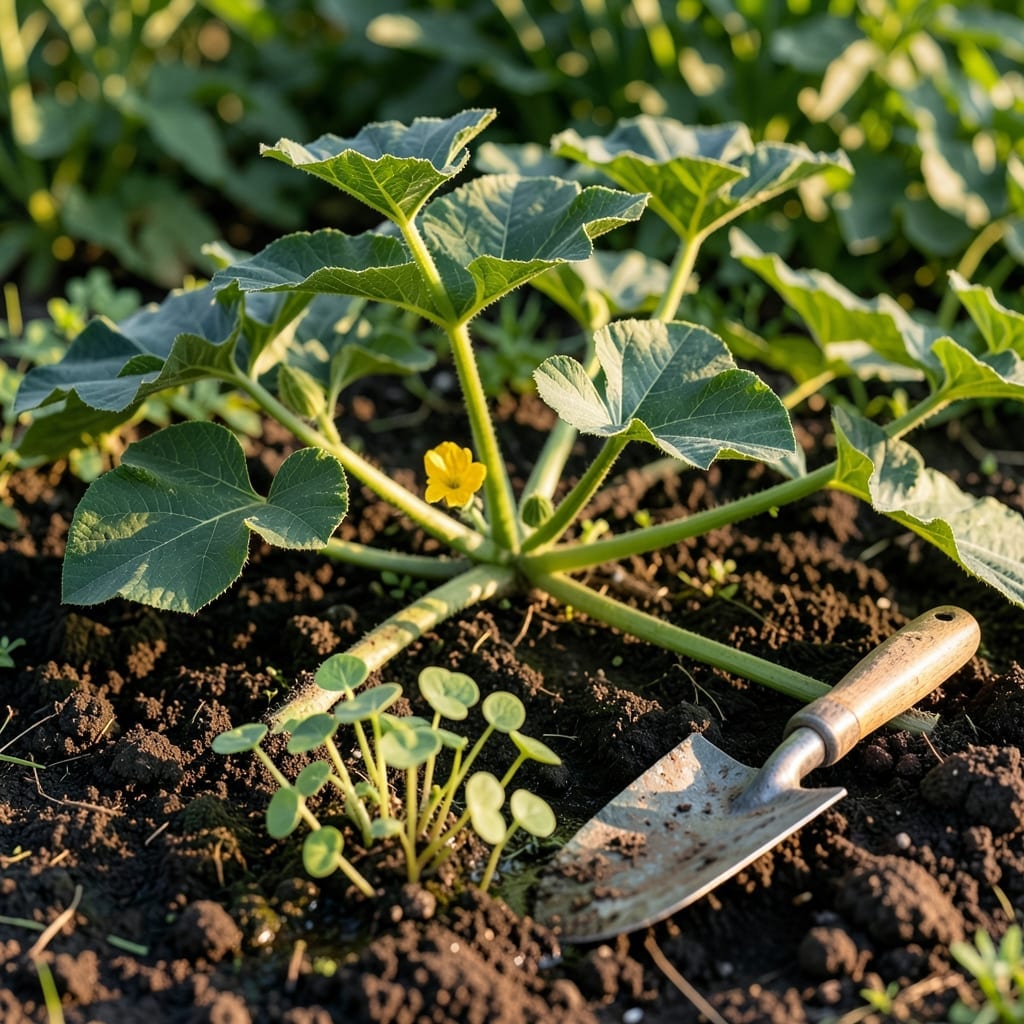
Timing is everything when growing watermelons in North Carolina’s Zone 8 climate—plant too early and frost will kill your seedlings, too late and summer heat may stunt their growth.
I’ve learned the hard way that getting this right makes all the difference. The key is aligning your planting with both the last frost date and soil temperature, which needs to be at least 70°F for the 🍉 Watermelon to thrive.
Whether you’re a first-time gardener or a seasoned pro, nailing the timing sets you up for a bountiful harvest. And trust me, there’s nothing like biting into a homegrown watermelon on a hot summer day.
Let me walk you through the exact window that works best for North Carolina, so you can avoid the common pitfalls and enjoy sweet success.
In North Carolina’s Zone 8, the ideal window for planting watermelons is from mid-April to early June. This timing ensures your soil temperature is consistently 70°F or warmer, which is critical for germination.
Our last frost date is typically around April 15, but I always recommend waiting until late April to avoid unexpected cold snaps. Watermelons are heat-loving plants, and rushing the season can lead to poor growth.
| Requirement | Specification |
|---|---|
| Last Frost Date | April 15 |
| Soil Temp Minimum | 70°F |
| Planting Window | Mid-April to Early June |
| Days to Maturity | 70-100 days |
| Harvest Window | July to September |
For early varieties like ‘Sugar Baby’, which mature in 75-80 days, you can start seeds indoors 3-4 weeks before transplanting outdoors. This gives you a head start on the growing season.
If you’re planting longer-season varieties like ‘Crimson Sweet’, aim for late April to early May. These need 85-90 days to mature, so timing is crucial to avoid early fall frosts.
I always check the 10-day forecast before planting. A sudden cold front can set back young plants. If temperatures drop below 50°F, consider using row covers for protection.
In coastal areas of North Carolina, where the climate is milder, you might start planting 2 weeks earlier. Inland areas, which can have cooler springs, should stick closer to the late April start date.
Remember, soil preparation is just as important as timing. I’ll cover that in the next section, but for now, focus on hitting that 70°F soil temperature for the best results.
For the most accurate timing, use a soil thermometer to check conditions at a 4-inch depth. This simple tool can make the difference between a bountiful harvest and a disappointing one.
With the right timing and care, you’ll be enjoying homegrown watermelons all summer long ☀️
I’ve found that soil preparation is just as crucial as timing when planting watermelons in North Carolina. The first step is testing your soil pH, which should be between 6.0 and 6.8 for optimal growth.
If your soil is too acidic, add lime to raise the pH. For alkaline soil, sulfur can help lower it. Watermelons thrive in well-draining soil, so I always amend with compost or aged manure before planting.
Too much nitrogen leads to leafy growth but fewer fruits. Stick to a balanced fertilizer and focus on phosphorus for fruit production.
Watermelons need warm soil to germinate, so I use black plastic mulch to speed up warming. This also helps retain moisture and suppresses weeds, giving your plants a better start.
Before planting, loosen the soil to a depth of 12 inches. This encourages deep root growth, which is essential for supporting the long vines and heavy fruits of watermelon plants.
I also recommend adding a layer of mulch around the plants after transplanting. This keeps the soil temperature stable and reduces water evaporation, which is especially important during hot summer months.
Finally, ensure your planting site gets full sun—at least 6-8 hours daily. Watermelons are sun-loving plants, and insufficient light can lead to poor fruit development and smaller yields. ☀️