
Beautiful Plants For Your Interior
Beautiful Plants For Your Interior
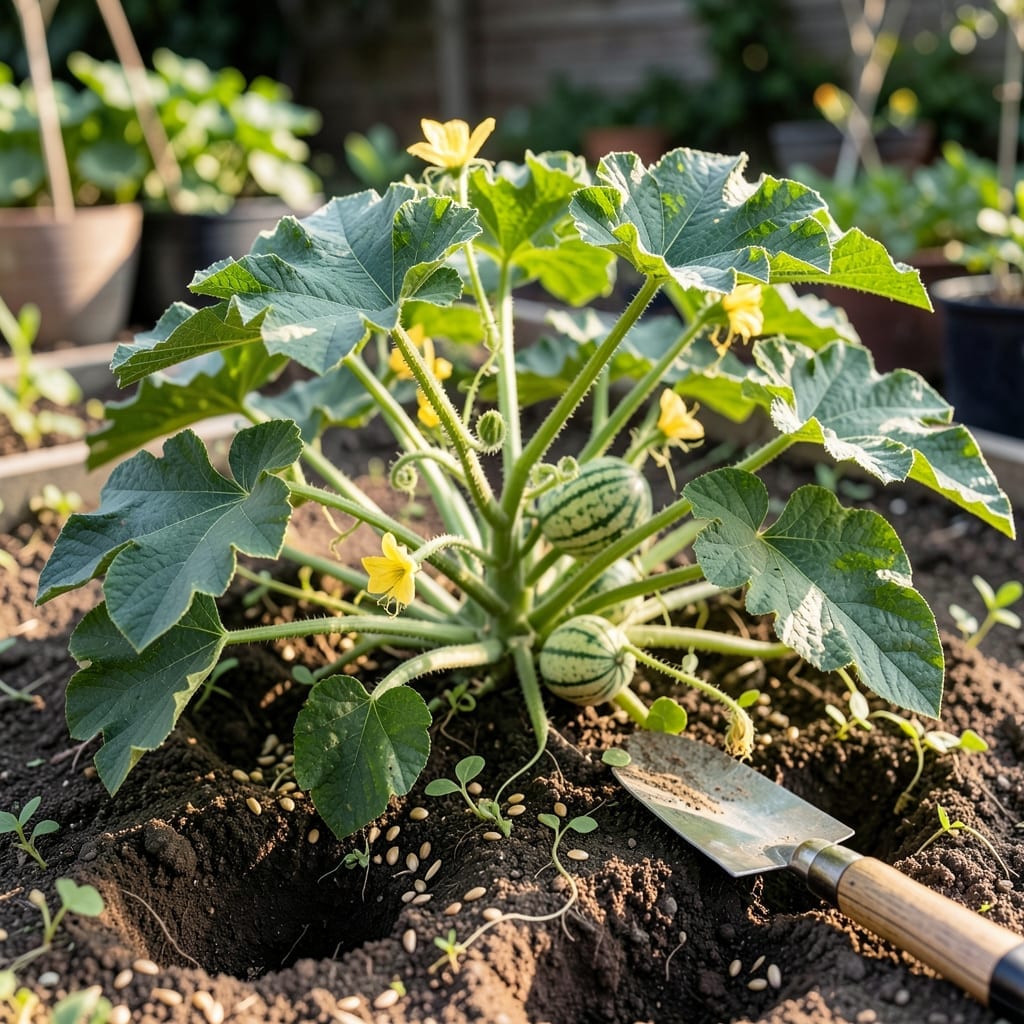
Timing is everything when planting 🍉 Watermelon in North Carolina—plant too early and frost can kill your seedlings, too late and you’ll miss the sweetest harvest window.
Get it right for juicy, sun-ripened melons all summer long. In Zone 7b-8a, soil temperature is the key factor, not just the calendar date.
I’ve learned through trial and error that waiting until the soil reaches 70°F makes all the difference. This ensures strong, healthy vines that thrive in NC’s climate.
Let me walk you through the best practices so you can enjoy homegrown watermelons when they taste the absolute best.
In North Carolina’s Zone 7, timing your watermelon planting is crucial for a sweet, abundant harvest. The key is waiting until the soil warms to at least 70°F, which typically happens in mid-April to early May.☀️
Our state’s varied climate means coastal areas can plant earlier, while the mountains may need to wait until late May. Always check your local last frost date to avoid cold damage.🌱
| Region | Planting Window | Soil Temp |
|---|---|---|
| Coastal NC | April 1-15 | 70°F+ |
| Piedmont | April 15-May 1 | 70°F+ |
| Mountains | May 1-15 | 70°F+ |
For direct seeding, I recommend planting 1 inch deep and 3 feet apart in rows 6 feet apart. This gives vines room to spread. If using transplants, start them indoors 3-4 weeks before your last frost date.🌿
Black plastic mulch is a game-changer in NC. It warms the soil faster and retains moisture. I’ve seen it boost early growth by 2-3 weeks in cooler springs. Just lay it down 2 weeks before planting.
Watermelons need full sun and well-draining soil. Test your soil pH—6.0 to 6.8 is ideal. If it’s too acidic, add lime. Too alkaline? Sulfur can help. A simple test kit from your local garden center works great.
Don’t rush it! Planting in cold soil below 60°F can stunt growth or kill seedlings. I learned this the hard way my first year. Now I always use a soil thermometer to be sure.🌡️
For a second harvest, you can plant a fast-maturing variety like ‘Sugar Baby’ in early July. These take about 75 days to ripen, giving you melons before the first fall frost.
Remember, consistent watering is key once plants are in the ground. Aim for 1-2 inches per week, especially during fruit set. Drip irrigation works best to keep leaves dry and prevent disease.
Finally, watch for pests like cucumber beetles. They love young watermelon plants. I use row covers early on, then remove them when flowers appear for pollination.✂️
Before planting watermelons in North Carolina, I always check my soil conditions. The ideal pH range is 6.0-6.8, which helps vines absorb nutrients efficiently and prevents growth issues.
I recommend amending your soil with compost or aged manure to improve fertility. Watermelons are heavy feeders, so rich, well-draining soil is essential for strong vine development and sweet fruit. ☀️
Watermelons need full sun exposure—at least 6-8 hours of direct sunlight daily. I’ve found that south-facing spots in my garden produce the sweetest melons with the most vibrant color.
Proper spacing is crucial for healthy growth. I plant my watermelon seeds or seedlings 3-5 feet apart in rows that are 6-8 feet apart, giving those long vines plenty of room to spread.
For an extra boost, I lay down black plastic mulch before planting. This warms the soil faster in spring, retains moisture, and suppresses weeds—all of which give watermelons a strong start in NC’s climate. 🌱
Finally, ensure your garden has good drainage. Watermelons hate wet feet, so I avoid low-lying areas where water might pool after heavy rains, which are common in our state. 💧