
Beautiful Plants For Your Interior
Beautiful Plants For Your Interior
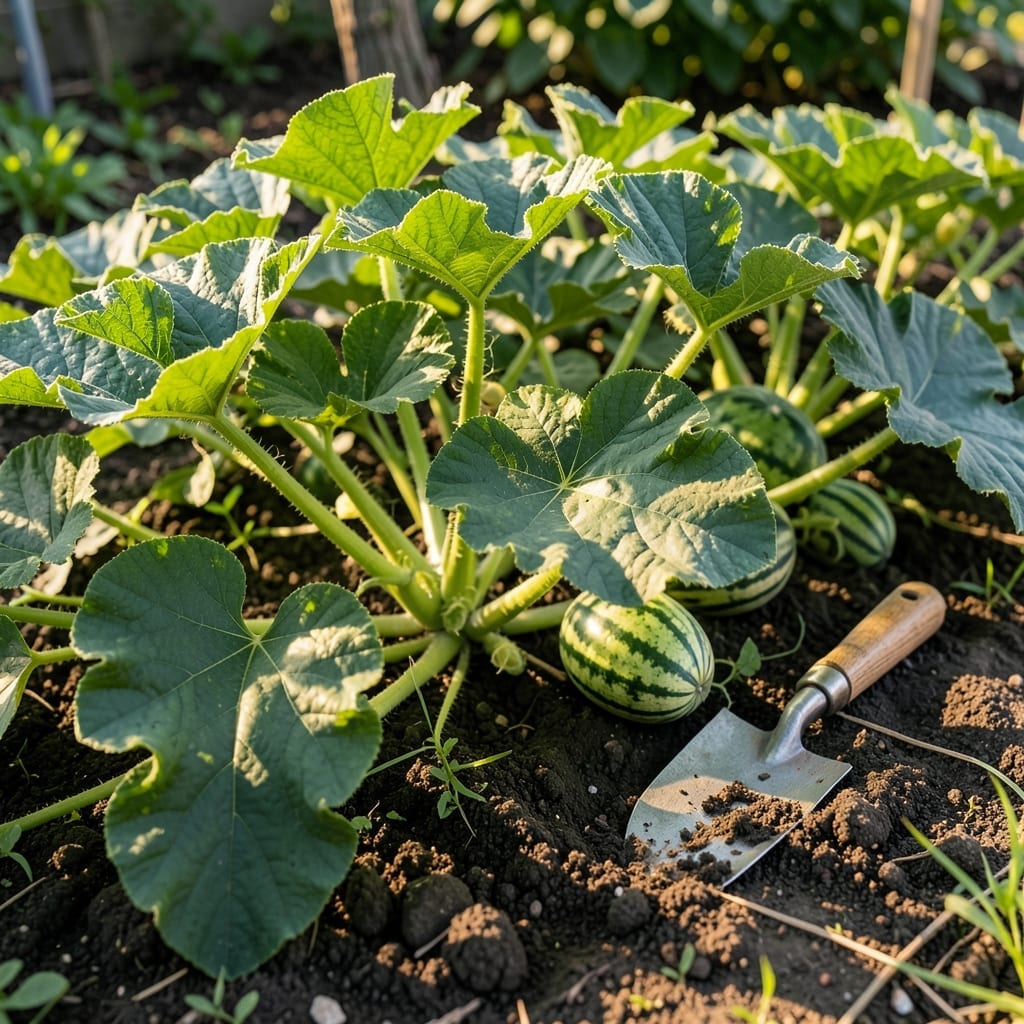
Timing is everything when planting Watermelon in Missouri—plant too early and frost will kill your seedlings, but wait too long and you’ll miss the optimal growing window.
The 🍉 needs warm soil and the right conditions to thrive in our climate. Getting this wrong can mean the difference between a bountiful harvest and disappointment.
I’ve learned the hard way that Missouri’s unpredictable springs demand precision. The good news? There’s a sweet spot that ensures your vines get the perfect start.
Discover the exact timing that works for Zone 6a and how to set your Watermelon plants up for success from day one.
Missouri spans USDA zones 5a to 7b, meaning your planting dates vary by location. In zone 6a, the last frost is typically April 15, but soil must reach 70°F for watermelon seeds to germinate successfully. ☀️
For northern Missouri (zones 5a-5b), wait until mid-May to plant. Central areas (zone 6a) can start late April, while southern regions (zones 6b-7b) may begin early April if soil is warm enough. 🌱
| Zone | Last Frost Date | Planting Window | Soil Temp Requirement |
|---|---|---|---|
| 5a-5b | April 20-May 10 | Mid-May to early June | 70°F+ |
| 6a | April 15 | Late April to early May | 70°F+ |
| 6b-7b | April 1-10 | Early April to early May | 70°F+ |
I always recommend using a soil thermometer to check temperatures at 4-inch depth. If the soil is too cold, seeds may rot or germinate poorly, wasting your planting efforts. 🌡️
For transplants, start seeds indoors 3-4 weeks before your last frost date. This gives them a head start, especially in cooler zones where the growing season is shorter.
Watermelons need full sun and well-draining soil. I’ve found that amending the soil with compost improves both drainage and fertility, which is critical for healthy vine growth. 🌿
In Missouri’s humid summers, disease pressure can be high. Plant in raised beds or hills to improve air circulation and reduce the risk of fungal issues like powdery mildew.
If you’re in a northern zone, consider using black plastic mulch to warm the soil faster in spring. This can buy you an extra week or two of growing time, which is invaluable for watermelons.
Remember, consistent moisture is key during the first few weeks after planting. I water deeply once or twice a week, depending on rainfall, to encourage strong root development. 💧
Finally, watch the 10-day forecast before planting. A late frost can devastate young watermelon plants, so I always wait until I’m confident the danger has passed for the season.
Missouri’s growing season can feel short, especially in northern zones. I’ve found that black plastic mulch works wonders by warming the soil 2-3 weeks earlier than bare ground. ☀️
For even more protection, floating row covers shield young plants from late frosts and cool nights. Just remove them once flowers appear to allow pollination by bees. 🌱
Starting seeds indoors is another game-changer. Use peat pots to avoid disturbing roots during transplanting. I keep my seedlings under grow lights for 12-14 hours daily to mimic summer sun. 🌿
In raised beds, soil warms up faster than in-ground plots. I’ve seen watermelon vines take off 1-2 weeks earlier in raised beds, which is crucial in Zone 5a-5b areas with shorter seasons.
For disease resistance, select varieties like ‘Crimson Sweet’ or ‘Carolina Cross’. These handle Missouri’s humid summers better and resist common issues like anthracnose and fusarium wilt. ✂️
Finally, succession planting can extend your harvest. Plant a second batch of short-season varieties in early June for a late summer crop, but ensure they’ll mature before the first fall frost.