
Beautiful Plants For Your Interior
Beautiful Plants For Your Interior
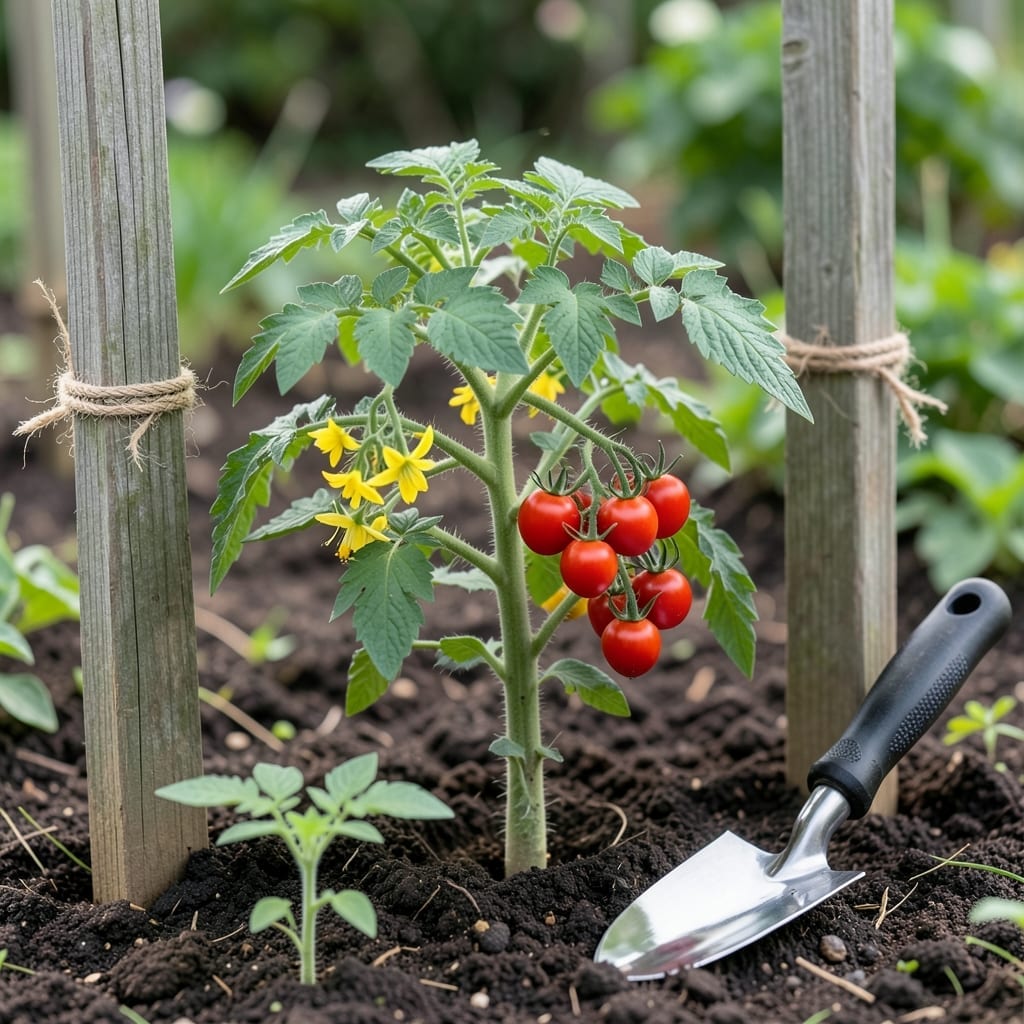
Timing is everything when planting Tomato in Pennsylvania, where unpredictable springs and early falls can make or break your harvest.
Get the planting dates right, and you’ll enjoy juicy, homegrown 🍅 all season long. Pennsylvania’s USDA zones 6a-7b require careful timing to avoid frost damage.
I’ve learned through experience that rushing this process often leads to disappointment. The key is patience and paying attention to local weather patterns.
Discover the optimal windows for starting seeds indoors and transplanting outdoors to maximize your harvest from July through October.
Timing your tomato planting in Pennsylvania depends heavily on your region and the last frost date. The state spans USDA zones 5-7, meaning spring planting varies from mid-April to early June. I always check local soil temperatures before transplanting.
For the best results, wait until soil reaches 60°F and all danger of frost has passed. In southeastern PA, this is often early to mid-April, while northern regions may need to wait until late May. Fall planting is possible in warmer zones for a second harvest 🌱
| Region | Last Frost Date | Spring Planting Window | Fall Planting Window |
|---|---|---|---|
| Southeast PA | April 15 | April 15 – May 1 | July 15 – August 1 |
| Central PA | May 1 | May 1 – May 15 | July 1 – July 15 |
| Northwest PA | May 15 | May 15 – June 1 | June 20 – July 10 |
In southeastern Pennsylvania, gardeners can start tomato seeds indoors as early as late February to early March. This gives seedlings 6-8 weeks to grow strong before transplanting outdoors. I recommend using grow lights for best results.
For central Pennsylvania, indoor seed starting should begin in mid-March. The shorter growing season here means choosing fast-maturing varieties like ‘Early Girl’ or ‘Stupice’ can be beneficial. These typically mature in 55-65 days 🌿
In the northwestern region, where frost lingers longest, I wait until late March to start seeds indoors. Cold-hardy varieties like ‘Siberian’ or ‘Glacier’ perform well here. They tolerate cooler temperatures better than most.
Remember that soil temperature is more critical than air temperature. Even if air temps are warm, cold soil can shock your tomato plants. I use a soil thermometer to confirm it’s consistently above 60°F at 4-inch depth.
For fall planting, count backward from your first expected frost. Most tomatoes need 70-85 days to mature. In southeastern PA, planting by July 15 gives time for a fall harvest before frost.
In cooler regions, fall planting is riskier. I suggest using transplants rather than seeds and protecting plants with row covers or cold frames to extend the season. Cherry tomatoes often do best for fall crops.
Always harden off your seedlings before transplanting. I gradually expose them to outdoor conditions over 7-10 days. This prevents transplant shock and ensures stronger plants. Start with 1-2 hours of sun per day, increasing gradually.
Finally, watch the 10-day forecast before planting. Pennsylvania’s unpredictable weather means a late frost can still occur after the average last frost date. I keep frost cloths handy just in case ☀️
Preparing your Pennsylvania garden for tomato planting starts with soil preparation. I always begin by testing soil pH, aiming for 6.0-6.8 for optimal nutrient uptake. Add compost or aged manure to improve fertility and drainage.
Tomatoes need well-draining soil rich in organic matter. I work in 2-3 inches of compost into the top 6-8 inches of soil. This ensures roots have room to grow and access to nutrients 🌱
For seedling preparation, I start hardening off my plants 7-10 days before transplanting. Begin with 1-2 hours of outdoor time in partial shade, gradually increasing to full sun and overnight stays.
Protect young plants from late frosts with frost cloths or wall-o-water tepees. Pennsylvania’s unpredictable springs can bring surprise cold snaps even after the last frost date. I keep covers handy until night temps stay above 50°F.
When transplanting, dig holes deep enough to bury 2/3 of the stem. Tomatoes grow roots along their stems, so deep planting encourages a stronger root system. Water thoroughly after planting to settle the soil.
Finally, mulch around plants with straw or shredded leaves to maintain soil moisture and prevent weeds. I find this especially important in Pennsylvania’s variable climate, where dry spells can follow heavy rains ✂️