
Beautiful Plants For Your Interior
Beautiful Plants For Your Interior
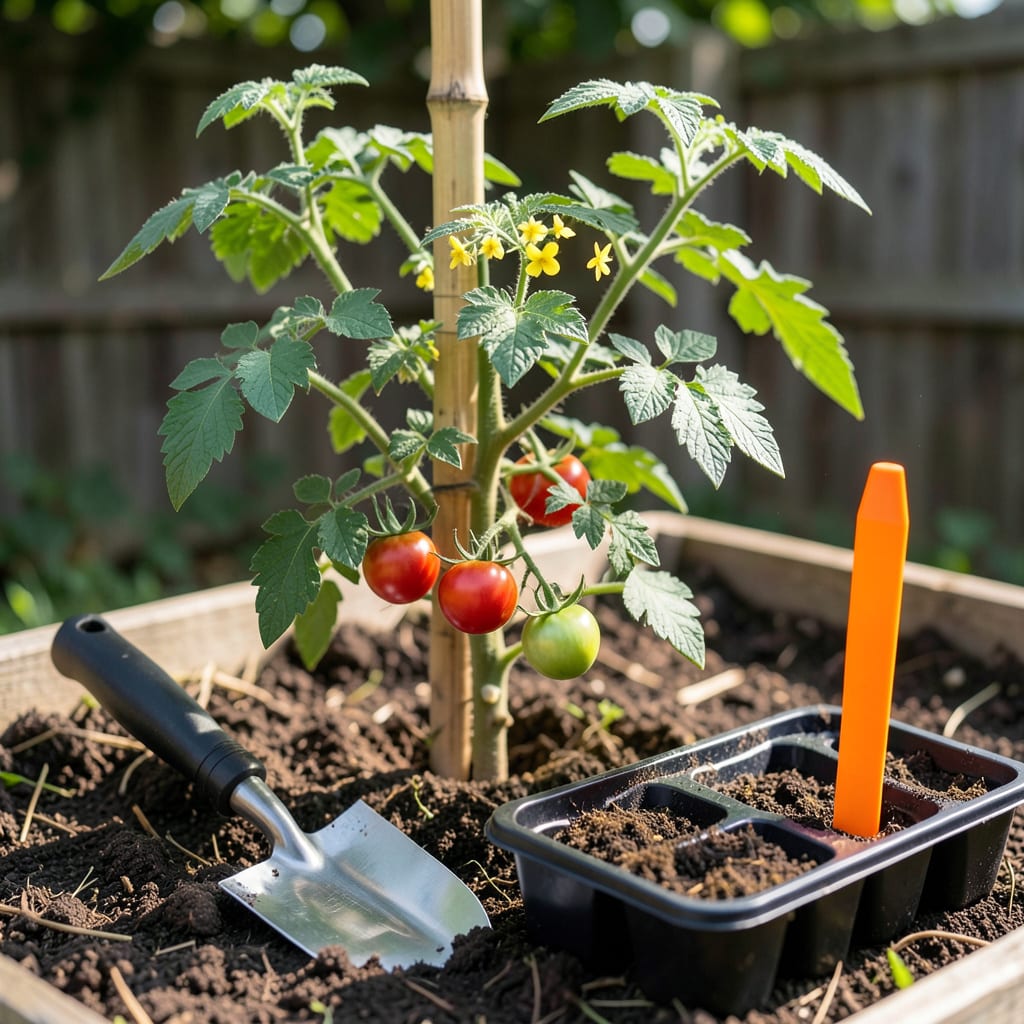
Timing your tomato planting in Pennsylvania can mean the difference between a bountiful harvest and a disappointing one. Plant too early, and a late frost could wipe out your seedlings. Wait too long, and you’ll miss the prime growing window.
After years of testing and tweaking, I’ve nailed down the exact frost-free dates for PA’s zones 6a-7b—so you can plant with confidence. Let’s break down when to start seeds indoors, when to transplant outdoors, and how to protect your 🍅 plants for a summer full of fresh, homegrown flavor.
If you’re itching to get your tomato seedlings in the ground, timing is everything in Pennsylvania. Our state spans USDA zones 5b-7a, meaning frost dates vary dramatically from the Poconos to Philly. Plant too early, and a late frost could wipe out your plants overnight.
I always recommend checking your local last frost date—this is your golden ticket to safe planting. In southern PA (like Philadelphia), you might transplant as early as April 15. But in northern regions (think Erie or the Poconos), waiting until May 10-15 is safer.
| Region | Avg. Last Frost | Safe Planting Window | Soil Temp Target |
|---|---|---|---|
| Philadelphia (Zone 7a) | April 10-15 | April 15 – May 1 | 60°F+ |
| Pittsburgh (Zone 6b) | April 25 – May 5 | May 5-15 | 60°F+ |
| Central PA (Zone 6a) | May 1-10 | May 10-20 | 60°F+ |
| Poconos/NE PA (Zone 5b) | May 10-20 | May 20-30 | 60°F+ |
Don’t just watch the calendar—check your soil temperature! Tomatoes need soil consistently above 60°F to thrive. I use a simple soil thermometer (under $10) to avoid guesswork. Cold soil stunts growth and invites disease.
Urban gardeners in Philly or Pittsburgh often get a head start thanks to the heat island effect. If you’re in the city, you might plant a week earlier than rural areas. But always have row covers ready for surprise cold snaps.
For early-season tomatoes, I love varieties like ‘Early Girl’ (50 days) or ‘Stupice’ (55 days). These can handle cooler temps better than heirlooms. If you’re in Zone 5b, starting seeds indoors by March 15 gives you 8-week-old transplants ready for May planting.
Rural areas and higher elevations (like the Allegheny Plateau) often run 5-10°F cooler than nearby cities. If you’re above 1,000 ft, add an extra week to your planting date. When in doubt, wait—tomatoes grow fast in warm soil!
Pro tip: Black plastic mulch warms soil faster. Lay it down 2-3 weeks before planting to gain a 7-10 day head start. Just secure the edges well—PA winds love to steal unweighted mulch!
Remember, microclimates matter. A south-facing slope in Lancaster County might be ready by April 20, while a shady valley in the Endless Mountains could need to wait until June. Observe your space!
If you’re determined to plant early, use wall-o-water or cloche protectors. I’ve successfully transplanted in late April in Zone 6b using these—just remove covers on warm days to prevent overheating.
Finally, keep an eye on the 10-day forecast before planting. If nighttime temps will dip below 50°F, hold off. Tomatoes hate cold feet! When conditions align, you’ll be rewarded with juicy, sun-ripened fruit by July. 🌱
If you’re like me, you want to squeeze every last juicy tomato out of Pennsylvania’s growing season. The good news? With a few clever tricks, you can plant earlier and harvest later than the standard window. Let’s talk about how to push those limits safely.
Pennsylvania’s unpredictable springs can be frustrating, but I’ve found that row covers and black plastic mulch make a huge difference. These simple tools can warm your soil by 5-10°F, letting you transplant 1-2 weeks earlier than your neighbors. Just
For those of us who can’t resist starting early, I recommend container gardening with dwarf varieties. You can move pots indoors during surprise cold snaps, then transition them outside permanently after May 15 in most PA regions. This method gives you flexibility without sacrificing plants.
Don’t forget about the fall harvest potential! By planting mid-season varieties like ‘Celebrity’ in late June, you’ll get ripe tomatoes well into September and October. Pair this with cold frames or hoop tunnels, and you might be picking tomatoes until the first hard frost hits.
One of my favorite tricks is using wall o’ water devices. These water-filled tepees act like mini greenhouses, protecting plants from chilly nights while allowing sunlight during the day. They’re perfect for getting a 3-week head start on the season in cooler PA regions like the Poconos.
Remember, extending your season comes with some risk vs. reward calculations. I always keep a few backup seedlings ready in case of unexpected late frosts. And when pushing into fall, be prepared to harvest green tomatoes before the first frost—they’ll ripen beautifully on your kitchen counter! 🌱
Choosing the right tomato variety can make or break your Pennsylvania harvest. Our state’s short growing season (180 frost-free days) demands fast-maturing plants. I always recommend starting with early-season varieties like ‘Early Girl’ or ‘Stupice’ for reliable yields.
For gardeners in cooler regions (Zones 5-6), focus on varieties with 50-60 days to maturity. In warmer areas like Philly (Zone 7), you can experiment with mid-season types like ‘Celebrity’ or ‘Better Boy’. Disease resistance is key—look for VFN (Verticillium, Fusarium, Nematode) on seed packets.
| Variety | Days to Maturity | Type | Best For | Disease Resistance |
|---|---|---|---|---|
| Early Girl | 50-60 | Indeterminate | Early harvests | VF |
| Stupice | 52-65 | Indeterminate | Cool climates | None |
| Mountain Merit | 70-75 | Determinate | Disease-prone areas | VFN, Late Blight |
| Celebrity | 70 | Determinate | Containers, small spaces | VFN |
| Brandywine | 80-100 | Indeterminate | Heirloom flavor | None |
If you’re short on space, determinate varieties like ‘Roma’ or ‘Patio Princess’ stay compact. For container gardening, I love ‘Tiny Tim’—it thrives in 5-gallon buckets! Remember, indeterminate types need sturdy trellises but produce fruit all season.
For late-season success, pair fast growers with row covers to protect from early fall frosts. I’ve had great luck with ‘Glacier’ (55 days) in my Pittsburgh garden—it keeps producing until October! Always check your local frost dates to time your final plantings.
Pro tip: Save seeds from your best performers! Pennsylvania’s climate favors adaptable heirlooms like ‘Amish Paste’ over time. Just be sure to rotate crops yearly to prevent soil-borne diseases. Happy planting! 🌱
In Philly (Zone 7), you can transplant tomatoes outdoors as early as April 15 if using protection like row covers. Without protection, wait until May 1 when soil temps consistently hit 60°F. Always check your local microclimate—urban areas warm faster than suburbs.
Yes, but choose fast-maturing varieties like ‘Early Girl’ (50 days) or ‘Glacier’ (55 days). Plant by June 30 in most PA regions to ensure fruit ripens before first frost. Use black plastic mulch to speed up growth in summer heat.
Cover plants with frost blankets or plastic cloches at dusk when temps drop below 35°F. For best results, add a 100-watt holiday light under the cover for extra warmth. Remove covers by 10 AM to prevent overheating.
Starting seeds indoors 6-8 weeks before last frost gives more variety options and stronger roots. But for beginners, buying 6-week-old transplants from local nurseries after May 10 is easier and ensures disease-resistant varieties suited to PA.
