
Beautiful Plants For Your Interior
Beautiful Plants For Your Interior
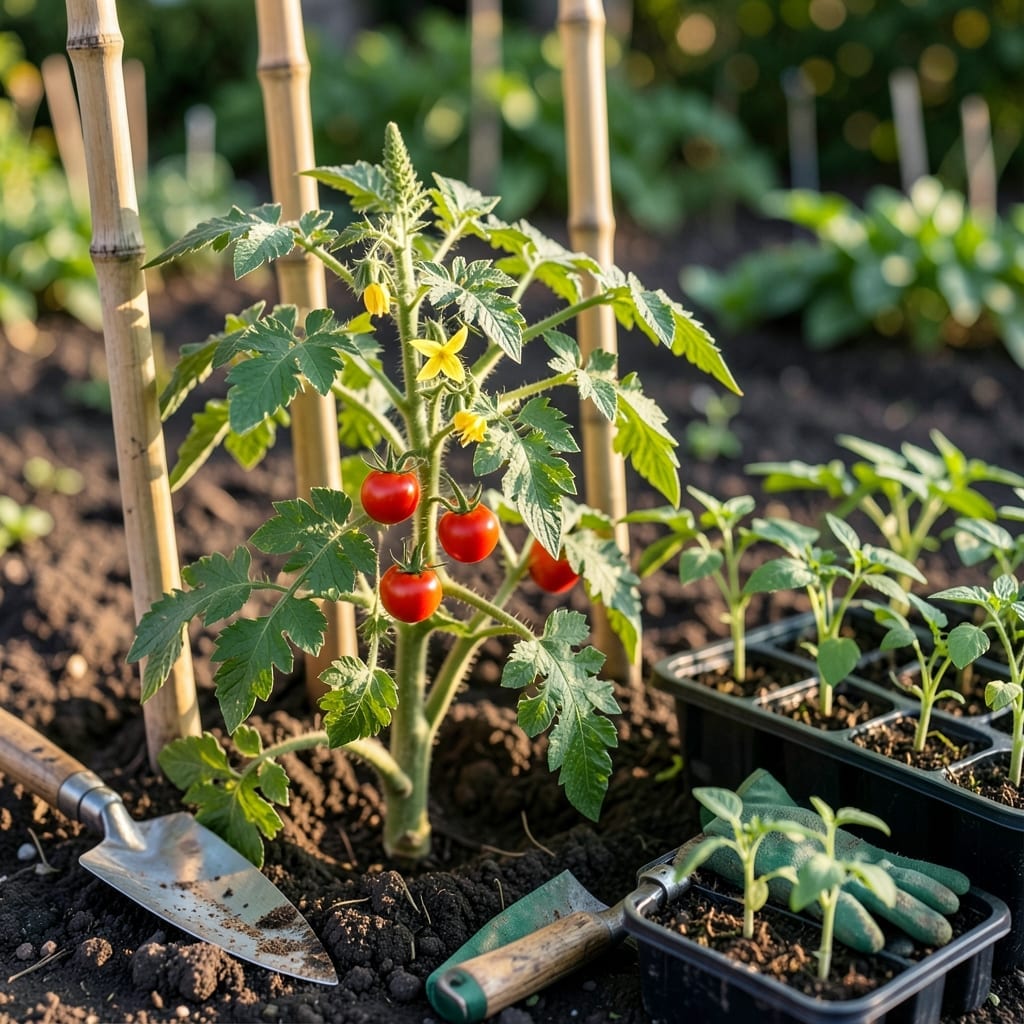
Timing is everything when it comes to growing juicy 🍅 Tomatoes in North Carolina. Plant too early, and a late frost could wipe out your seedlings. Wait too long, and you might miss the best part of the growing season.
In zones 7b-8a, the sweet spot for planting is typically between April and May. This window gives your Tomatoes the best chance to thrive before summer heat sets in.
But it’s not just about the calendar. Soil temperature and frost dates play huge roles in your success. I’ll break down exactly what to watch for so you can plant with confidence.
Discover how to nail your timing and set your garden up for a bountiful harvest from July through October.
In North Carolina, your tomato planting dates depend heavily on your USDA hardiness zone. The state spans zones 6a to 8b, and each has distinct last frost dates that dictate when it’s safe to plant. 🌱
For spring planting, I always wait until soil temperatures reach at least 60°F and the threat of frost has passed. In zone 6a, this is typically mid-April to early May, while zone 8b gardeners can start as early as late March. 🌿
| USDA Zone | Spring Planting Window | Fall Planting Window | Last Frost Date |
|---|---|---|---|
| 6a | Mid-April to early May | Late July to early August | April 20 |
| 7a | Early to mid-April | Early to mid-August | April 10 |
| 8a | Late March to early April | Late August to early September | March 25 |
| 8b | Late March | Early September | March 15 |
For fall planting, timing is just as critical. I start counting backward from the first frost date in my zone. Most tomato varieties need 70-90 days to mature, so I plant seedlings 10-12 weeks before the first expected frost. 🌱
In zone 6a, that means sowing seeds in late July for a fall harvest. In zone 8b, I can push this to early September and still enjoy ripe tomatoes before winter. Always check your local frost dates for precision.
Soil temperature is another key factor. Tomatoes thrive when soil is at least 60°F, but 70-80°F is ideal. I use a soil thermometer to confirm conditions before planting. If the soil is too cold, seedlings may stunt or rot. ☀️
For early varieties like ‘Early Girl’, I can plant a bit sooner since they mature in 50-60 days. Heirlooms like ‘Brandywine’ need the full season, so I save them for spring planting in warmer zones.
If you’re in a cooler microclimate, consider using black plastic mulch to warm the soil faster. I’ve found this can give me a 1-2 week head start in zones 6a and 7a. Just remove it once temperatures rise to avoid overheating roots. 🌿
Finally, don’t forget to harden off your seedlings before transplanting. I gradually expose them to outdoor conditions over 7-10 days. This reduces shock and ensures stronger plants ready to thrive in North Carolina’s variable spring weather. 🪴
I’ve found that with a little planning, you can enjoy fresh tomatoes well beyond the typical growing season in North Carolina. Early starts and late harvests are key to maximizing your yield.
For an early start, begin indoor seedlings about 6-8 weeks before the last frost date. This gives your plants a head start before transplanting them outside.
Row covers are a game-changer for protecting plants from late spring frosts. They allow sunlight and water through while keeping the soil warm.
For fall harvests, plant a second crop in mid-July to early August. This ensures your plants mature before the first frost in October.
I always recommend hardening off seedlings before transplanting. This process toughens them up for the outdoor conditions, reducing transplant shock.
Don’t forget to mulch heavily around your plants. Mulch helps retain moisture and keeps the soil temperature stable, which is crucial for extending the season.