
Beautiful Plants For Your Interior
Beautiful Plants For Your Interior
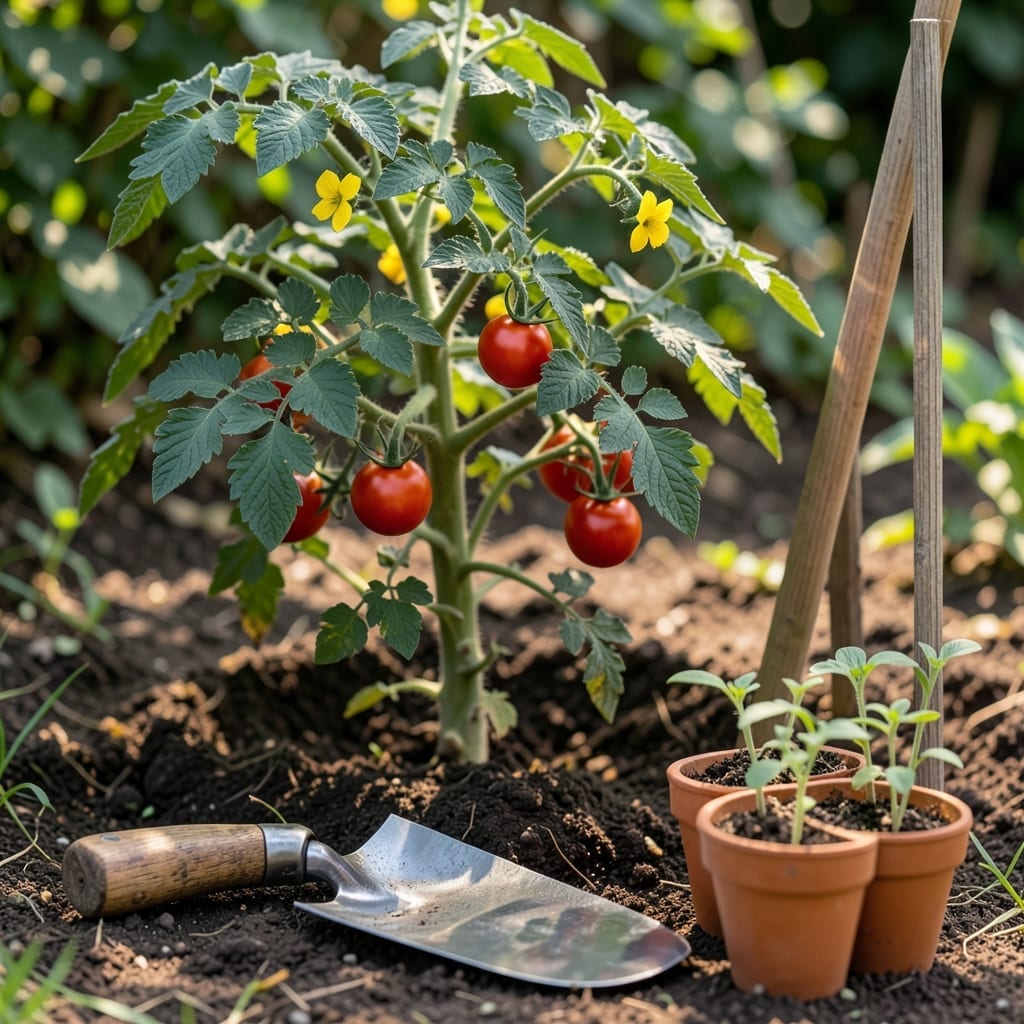
Timing is everything when planting Tomato in Kentucky—get it right, and you’ll enjoy a bumper crop of juicy, homegrown fruit all season long. Get it wrong, and frost or heatwaves could ruin your harvest before it even begins.
As a Zone 6b gardener, you have a 180-day window to work with, but the sweet spot is tighter than you might think. The soil needs to be warm, the air stable, and your seedlings ready to thrive.
I’ve seen too many gardeners rush the process, only to watch their plants struggle. The difference between a mediocre yield and an abundant one often comes down to just a few well-timed decisions.
Discover the exact window to plant your Tomato for the best results, and set yourself up for a season of success.
In Kentucky’s Zone 6, timing your tomato planting is crucial for a thriving crop. The last frost date is typically around April 15, but soil temperature is just as important as air temperature for success.
I always wait until soil temps reach 60°F before transplanting seedlings. This usually means mid-to-late April for most of the state, but early May is safer in cooler microclimates.
| Stage | Action | Timing |
|---|---|---|
| Start Indoors | Sow seeds | March 1-15 |
| Hardening Off | Acclimate seedlings | April 1-10 |
| Transplant Outdoors | Move to garden | April 15-May 1 |
| Early Varieties | Harvest begins | Late June |
For early-season tomatoes like ‘Early Girl’, you can push the envelope and plant as soon as April 10-15 if the forecast is clear. These varieties mature in 50-60 days, giving you a head start on the harvest.
Mid-season tomatoes, such as ‘Better Boy’ or ‘Beefsteak’, do best when planted April 20-May 1. They need 70-80 days to mature, so the extra warmth helps them thrive.
If you’re growing heirloom varieties like ‘Brandywine’, which take 80-90 days, aim for a May 1-10 planting date. This ensures they have enough time to develop before the summer heat sets in.
Kentucky’s humid summers can stress tomatoes, so I recommend using mulch to retain moisture and stakes or cages for support. This keeps plants healthy during the hottest months of July and August.
For fall tomatoes, you can plant a second crop around July 15-30. Choose fast-maturing varieties like ‘Cherry Tomatoes’ to beat the first frost in mid-October.
Always check the 10-day forecast before planting. A late cold snap can set you back weeks, so I keep frost blankets handy just in case. ✂️
Remember, soil preparation is key. I work in plenty of compost and ensure the pH is between 6.0-6.8 for optimal nutrient uptake. This gives your tomatoes the best start possible.
With the right timing and care, you’ll be enjoying homegrown tomatoes from July through October. 🌱
Preparing your Kentucky garden for tomato planting sets the stage for a productive season. I always start with a soil test to check pH and nutrient levels. Tomatoes thrive in slightly acidic soil with a pH of 6.0-6.8.
Next, I amend the soil with plenty of compost and aged manure to boost fertility. This improves drainage and provides essential nutrients for strong root development. Well-prepared soil means healthier plants and better yields.
I recommend hardening off seedlings for 7-10 days before transplanting. This gradual exposure to outdoor conditions toughens them up. Start with 1-2 hours of sunlight per day, increasing daily.
For Kentucky’s humidity, select disease-resistant varieties like ‘Mountain Merit’ or ‘Defiant’. These handle heat and resist common fungal issues better than many heirlooms.
I always install stakes, cages, or trellises at planting time. This prevents root disturbance later and keeps plants upright. Proper support also improves air circulation, reducing disease risk.
Finally, water deeply after transplanting and apply 2-3 inches of mulch to retain moisture. I use straw or shredded leaves, which also suppress weeds. This simple step saves hours of maintenance.
With these preparations, your tomatoes will be ready to thrive in Kentucky’s climate. 🌱