
Beautiful Plants For Your Interior
Beautiful Plants For Your Interior
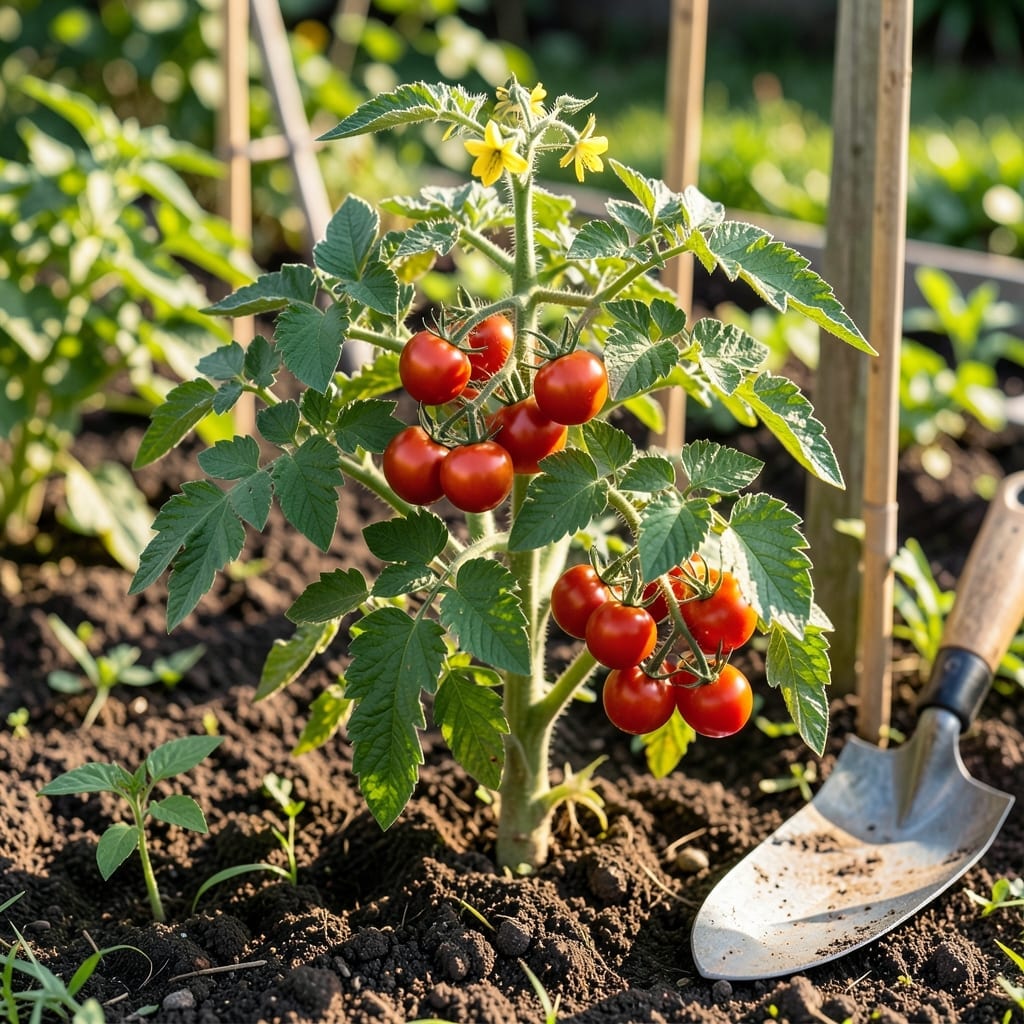
Timing is everything when growing the best tomatoes in Illinois—plant too early and frost can wipe out your seedlings, but wait too long and you’ll miss the peak growing season.
Illinois gardeners know that 5b-6a zones have unique challenges, and getting your 🍅 plants in the ground at the right moment makes all the difference.
I’ve spent years testing different approaches, and what I’m about to share will help you avoid common mistakes while maximizing your harvest.
Discover the exact planting windows and preparation steps that work best for Illinois climates, so you can enjoy fresh tomatoes from July through October.
Getting your tomato planting dates right in Illinois depends on your USDA hardiness zone. The state spans zones 4 through 6, each with slightly different frost dates and soil warming patterns that directly impact when it’s safe to plant. Zone 4 in northern Illinois has the latest planting window, while Zone 6 in the south can start earlier.
I always recommend checking your exact location’s last frost date before planting. In Zone 5, which covers much of central Illinois, the last frost typically occurs around April 15. This is your green light to start preparing, but tomatoes need more than just frost-free air.
| Zone | Last Frost Date | Planting Window | Soil Temp Requirement |
|---|---|---|---|
| Zone 4 | May 1-10 | Mid-May | 60°F+ |
| Zone 5 | April 15-30 | Late April to Early May | 60°F+ |
| Zone 6 | April 1-15 | Early to Mid-April | 60°F+ |
🌱 Pro Tip: Use a soil thermometer to confirm temperatures at 4-inch depth before planting.
In Zone 6, which includes areas like Carbondale and East St. Louis, you can often plant tomatoes as early as mid-April. But remember, even if the air is warm, soil temperature is what really matters for tomato roots. I’ve seen many gardeners make the mistake of planting too early when the soil is still too cold.
For Zone 5, which covers cities like Chicago, Peoria, and Springfield, the sweet spot is typically late April to early May. This gives you a good buffer against late frosts while ensuring the soil has warmed sufficiently. Tomato plants can’t tolerate frost, and cold soil can stunt their growth.
In the northernmost parts of Illinois, Zone 4 areas like Rockford and Freeport have a shorter growing season. Here, it’s safest to wait until mid-May to plant tomatoes outdoors. I recommend starting seeds indoors 6-8 weeks before your last frost date to get a head start.
No matter your zone, soil temperature should be at least 60°F at a depth of 4 inches. You can use a simple soil thermometer to check this. If you’re eager to plant but the soil isn’t warm enough, consider using black plastic mulch to help warm the soil faster.
Another factor to consider is the tomato variety you’re planting. Early season varieties like ‘Early Girl’ or ‘Stupice’ can handle slightly cooler temperatures and have a shorter time to maturity, which can be beneficial in zones with shorter growing seasons. Heirloom varieties, while delicious, often need a longer growing season.
If you’re in Zone 6 and want to push the season, you can start tomatoes in early April using frost protection like row covers or cloches. Just be ready to cover them if a late frost is forecasted. I’ve had good success with this method, but it does require close attention to weather forecasts.
Remember that these dates are guidelines. Microclimates can significantly affect your local conditions. A south-facing slope or urban heat island might allow for slightly earlier planting, while a low-lying area might be frostier and require waiting a bit longer. When in doubt, it’s always better to wait a little longer than to risk losing your plants to a late frost. ☀️
Preparing your Illinois garden for tomatoes starts with soil testing in early spring. I always test my soil’s pH level (aim for 6.0-6.8) and nutrient content. This ensures your plants have the best foundation for growth. 🌱
Next, focus on soil warming techniques. In cooler zones, black plastic mulch can raise soil temperature by 5-10°F. I’ve found this especially helpful in Zone 5 where springs can be unpredictable.
For frost protection, I recommend having floating row covers ready. These allow light and water through while protecting plants from late frosts. In Zone 4, this can extend your season by 2-3 weeks. ☀️
Companion planting is another key step. I plant basil near my tomatoes to improve flavor and deter pests. Marigolds also work well to repel nematodes and attract pollinators.
Finally, ensure your garden has proper drainage. Tomatoes hate wet feet, so I always plant in raised beds or amend heavy clay soil with compost. This prevents root rot and promotes healthy growth. 🌿