
Beautiful Plants For Your Interior
Beautiful Plants For Your Interior
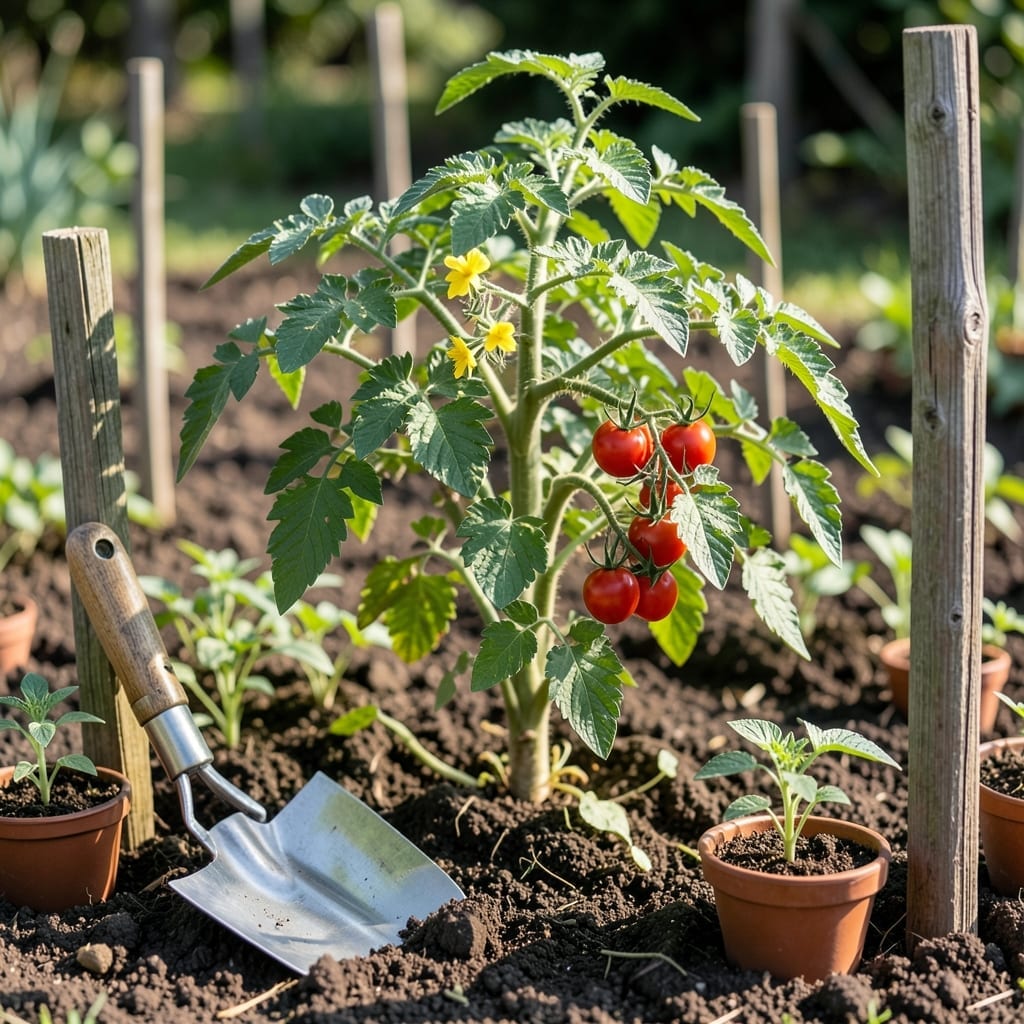
Timing is everything when planting Tomato in California, where diverse climates mean planting windows vary drastically from coastal fog to inland heat. Get it right, and you’ll harvest vibrant, flavorful Tomato all season long.
I’ve seen gardeners struggle with Tomato crops simply because they planted too early or too late for their specific region. Whether you’re in the cool mist of San Francisco or the warm valleys of Los Angeles, knowing your local conditions is the key.
From Northern California’s frost-sensitive zones to Southern California’s year-round growing potential, there’s a best time for every area. And I’m here to guide you through it.
Discover how to align your planting schedule with California’s unique microclimates, and watch your garden thrive like never before.
California’s diverse climate means tomato planting windows vary dramatically across regions. In coastal areas, cool maritime influence delays planting until late March or April.☀️
Inland valleys, like the Central Valley, can start as early as February due to warmer soil and fewer frost risks. Southern California enjoys a long season, often allowing year-round planting in mild zones.🌱
| Region | Best Planting Months | Soil Temp Requirement | Frost Considerations |
|---|---|---|---|
| Northern Coastal | Late March – April | 60°F+ | Rare frost |
| Northern Inland | April – May | 60°F+ | Last frost late March |
| Central Valley | February – March | 55°F+ | Minimal frost risk |
| Southern Coastal | February – April | 55°F+ | Frost-free |
| Southern Inland | January – March | 55°F+ | Frost-free |
I always recommend checking soil temperature with a thermometer before planting. Tomatoes need at least 55°F soil to thrive, but 60°F is ideal for most varieties. 🌡️
Early planting in cold soil can stunt growth and increase disease risk. In cooler regions, consider starting seeds indoors 6-8 weeks before transplanting.
Determinate varieties like ‘Roma’ or ‘Celebrity’ are great for shorter seasons in Northern California. Indeterminate types such as ‘Cherry’ or ‘Beefsteak’ thrive in longer growing seasons.
In Southern California, I’ve had success with fall planting for a winter harvest. Just watch for unexpected heatwaves that can stress young plants.
Coastal gardeners should choose fast-maturing varieties to beat the summer fog. ‘Early Girl’ and ‘Stupice’ are excellent choices for these areas.
Remember, microclimates matter. A sunny south-facing wall can be 5-10°F warmer than the rest of your garden, allowing for earlier planting.☀️
Finally, always harden off seedlings before transplanting. I gradually expose my young plants to outdoor conditions over 7-10 days to prevent shock.🌿
California’s diverse microclimates mean tomato planting isn’t one-size-fits-all. I’ve found that soil temperature and frost dates are the biggest game-changers for timing your plantings right.
The last frost date varies from January 31 in Southern CA to April 15 in cooler northern regions. This directly impacts when it’s safe to transplant seedlings outdoors without risk of cold damage.
I always recommend starting seeds indoors 6-8 weeks before your region’s last frost date. This gives seedlings a head start and ensures they’re sturdy enough for transplanting when the weather warms.
For central valley gardeners, the long growing season allows for two crops: one planted in early spring and another in late summer for a fall harvest.
Remember, consistent moisture is crucial once planted. I set up drip irrigation on a timer to maintain even watering, especially during those hot, dry spells. ☀️