
Beautiful Plants For Your Interior
Beautiful Plants For Your Interior
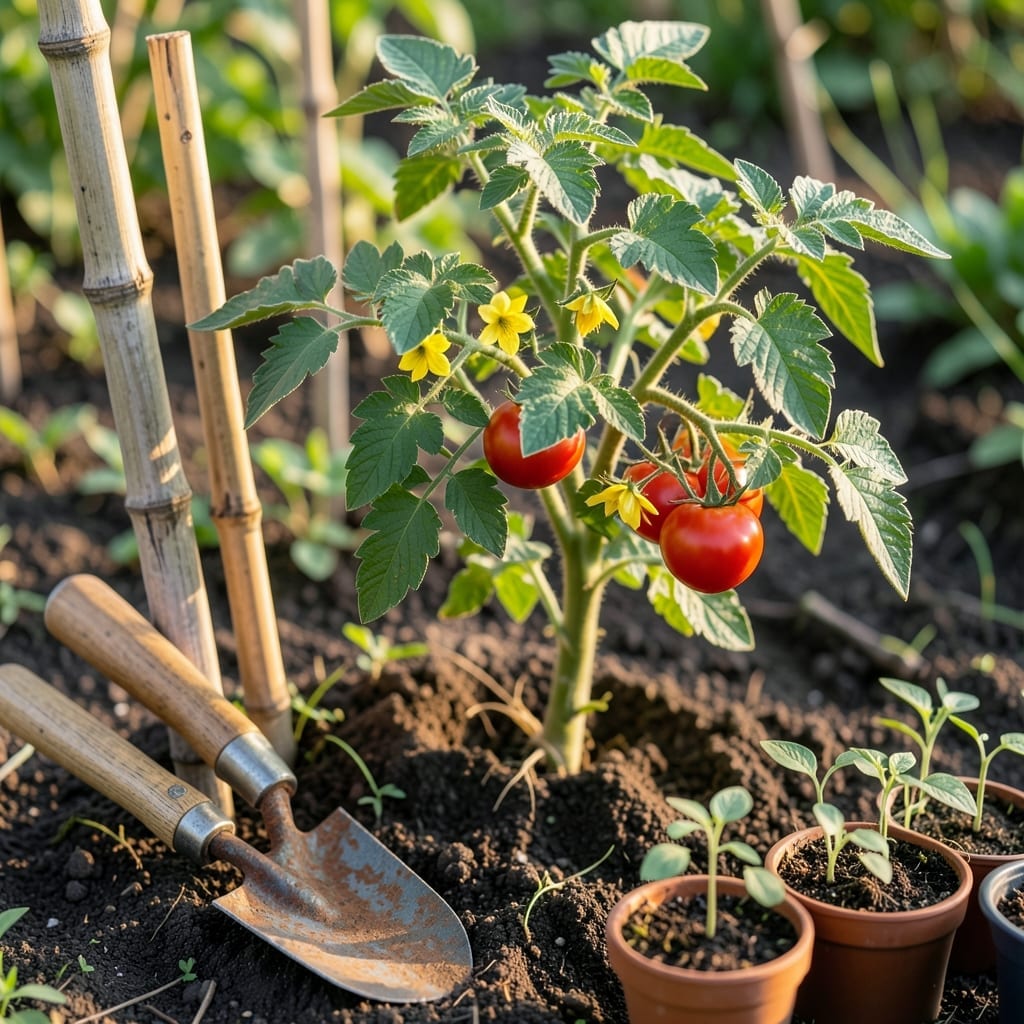
Timing is everything when it comes to growing the perfect 🍅 Tomato in Arkansas. Plant too early, and a late frost could ruin your crop. Plant too late, and the summer heat might stunt their growth.
I’ve learned the hard way that getting this right makes all the difference. In zones 7b-8a, the window is narrow but rewarding. You’ll want to aim for that sweet spot when the soil is warm and the danger of frost has passed.
This guide breaks down the exact timing you need for a thriving harvest. Whether you’re a first-time gardener or a seasoned pro, these insights will set you up for success.
Discover the best months to plant and how to prepare your garden for the season. Let’s get started on growing the juiciest tomatoes Arkansas has to offer.
Arkansas spans USDA zones 6-8, which means your tomato planting dates vary significantly. In the northern Ozarks (Zone 6), the last frost typically hits around April 15, while central and southern regions see it earlier.
For Zone 7 (Little Rock area), you can safely plant tomatoes after April 10. In Zone 8 (southern Arkansas), you might start as early as March 25. Always check local weather forecasts for unexpected late frosts.
| Zone | Last Frost Date | Planting Window | Soil Temp |
|---|---|---|---|
| 6 (Ozarks) | April 15 | April 20 – May 10 | 60°F+ |
| 7 (Central) | April 10 | April 15 – May 1 | 60°F+ |
| 8 (Delta) | March 25 | April 1 – April 15 | 60°F+ |
Soil temperature is critical for tomato success. I always use a soil thermometer to confirm temps have reached at least 60°F at a 4-inch depth. Planting in colder soil can cause stunted growth or poor germination.
In Zone 6, I recommend starting seeds indoors 6-8 weeks before the last frost date. This gives your tomato seedlings a head start. Transplant them outdoors only after hardening off for a week.
For Zone 8 gardeners, you have more flexibility. You can direct sow seeds in late March or transplant seedlings by mid-April. The longer growing season allows for a second crop planted in late summer for fall harvest.
Remember that tomato varieties matter too. In humid Arkansas summers, I prefer disease-resistant varieties like ‘Celebrity’ or ‘Mountain Merit’. These handle the heat and humidity better than heirlooms.
If you’re eager to plant early, consider using black plastic mulch to warm the soil. This trick can give you a 1-2 week head start in cooler zones. Just remove it once temps consistently stay above 75°F.
Watch the 10-day forecast before planting. A surprise late frost can devastate young plants. I’ve lost entire trays to a sudden cold snap in early April, so I always keep row covers handy just in case.
The Delta region has the earliest planting window, but its high humidity requires good air circulation to prevent fungal diseases. Space plants 3 feet apart and prune suckers regularly. ☀️
Preparing your Arkansas soil for early tomato planting can make or break your harvest. I always start by testing the soil pH, aiming for a slightly acidic range between 6.0-6.8 for optimal nutrient uptake.
To warm the soil faster, I use black plastic mulch about 2-3 weeks before planting. This simple trick can raise soil temps by 5-10°F, giving you that early start without risking cold damage.
I also recommend adding plenty of organic matter like compost or well-rotted manure. This improves both drainage and moisture retention, which is crucial for Arkansas’ variable spring weather.
For extra protection against late frosts, I use floating row covers. These lightweight fabrics let in sunlight and water while shielding plants from cold temperatures down to about 28°F.
Finally, I always plant my tomatoes in raised beds when possible. They warm up faster in spring and provide better drainage during Arkansas’ occasional heavy spring rains. ☀️