
Beautiful Plants For Your Interior
Beautiful Plants For Your Interior
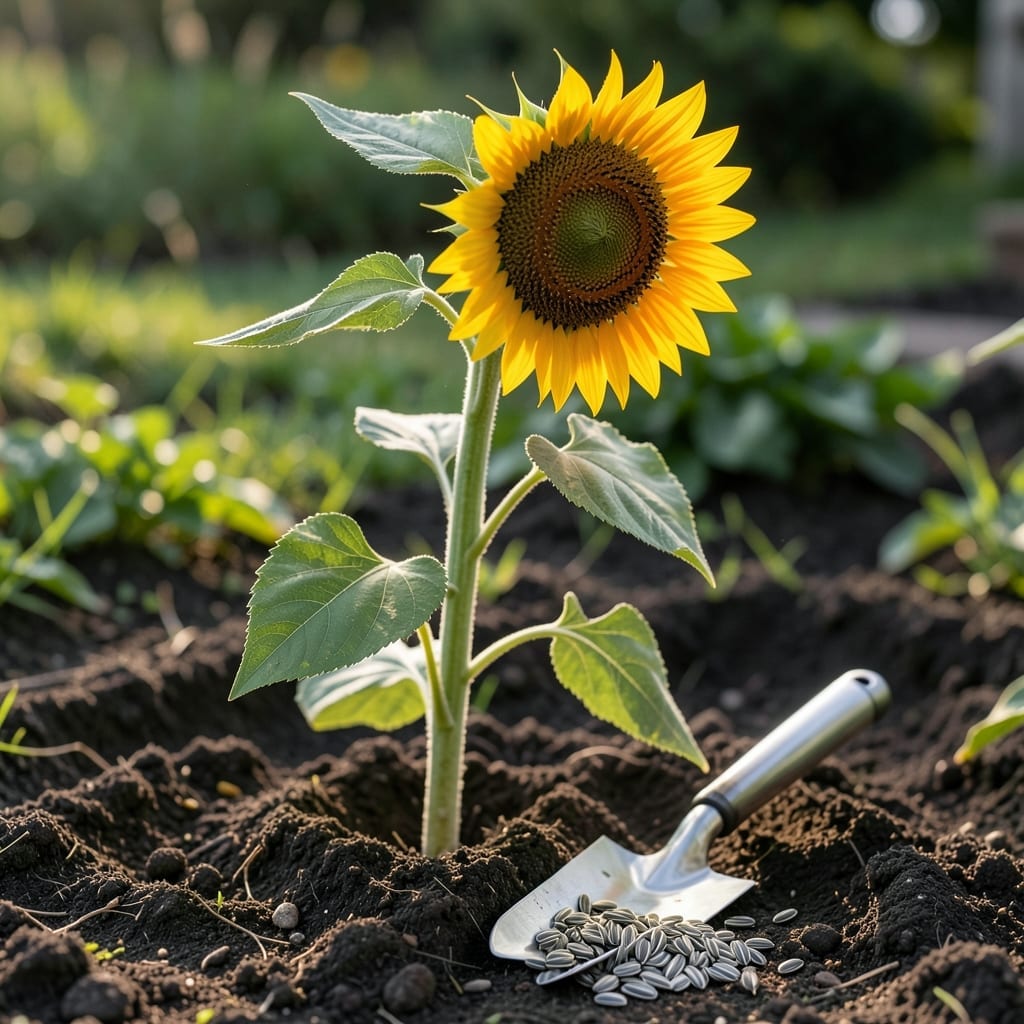
Timing is everything when it comes to planting Sunflowers in Tennessee—get it right, and you’ll be rewarded with towering stems and vibrant blooms all season long.
I learned this the hard way when my first attempt in 6b-7a resulted in stunted growth. The difference a few weeks can make is incredible.
Whether you’re a seasoned gardener or just starting out, knowing the ideal window is the key to success. And yes, that means waiting until the soil is just right.
Let me walk you through exactly when to plant for those picture-perfect 🌻 that will make your neighbors jealous. You won’t believe how simple it can be.
In Tennessee’s Zone 7, timing your sunflower planting is critical for strong, healthy blooms. The last frost date typically falls around April 15, making it the perfect cue to start sowing seeds directly into the garden.
For best results, wait until soil temperatures reach at least 55-60°F. This usually aligns with mid-to-late April, but early May works too if spring has been cooler than usual.
| Planting Factor | Tennessee Guidance |
|---|---|
| Best Months | April – May |
| Last Frost Date | April 15 |
| Soil Temp | 55-60°F minimum |
| Planting Depth | 1-2 inches deep |
| First Frost Date | October 15 |
If you’re eager to get a head start, you can begin indoor sowing about 2-3 weeks before the last frost. Just be sure to harden off seedlings before transplanting them outside to avoid shock from temperature swings.
For succession planting, I recommend sowing a new batch of seeds every 2-3 weeks through early summer. This ensures a continuous display of blooms from July through October.
Tennessee’s hot summers are perfect for sunflowers, but watch for drought stress. If rainfall is sparse, give your plants a deep watering once or twice a week to keep the soil consistently moist.
Early varieties like ‘Teddy Bear’ can be planted a bit later, as they mature faster. Meanwhile, giant sunflowers such as ‘Mammoth’ need the full growing season, so aim to plant these as soon as the soil is warm enough.
Don’t forget to choose a sunny spot—sunflowers thrive with 6+ hours of direct sunlight daily. In Tennessee, a south-facing garden bed is ideal for maximizing light exposure.
If you’re in a microclimate with slightly different conditions, such as the cooler mountain regions of East Tennessee, adjust your planting time by a week or two to accommodate the local frost dates.
Finally, keep an eye on the 10-day forecast before planting. A late cold snap can stunt or kill young sunflower seedlings, so patience is key for the best results.
With the right timing, you’ll enjoy vibrant sunflowers that brighten your garden all summer long 🌻
Not all sunflowers thrive on the same schedule in Tennessee’s Zone 7. Early bloomers like Teddy Bear can go in as soon as late March, while giants like Mammoth need warmer soil.
I’ve found that Autumn Beauty does best with a mid-April start, giving it enough time to mature before the summer heat peaks. Timing varies by variety, so plan accordingly.
| Variety | Planting Window | Days to Maturity |
|---|---|---|
| Teddy Bear | Late March – Early April | 60-70 |
| Autumn Beauty | Mid-April – Early May | 80-90 |
| Mammoth | Late April – Early May | 120 |
| Lemon Queen | Early April – Mid-May | 70-80 |
Dwarf varieties like Teddy Bear are perfect for early planting since they’re cold-hardy. Their shorter stature also makes them great for containers if you’re short on space.
For tall sunflowers, wait until soil temps hit 55°F. I use a soil thermometer to check—it’s a game-changer for avoiding stunted growth from cold soil.
Succession planting works wonders here. I plant a new batch every 2-3 weeks from April to June for continuous blooms through fall. This keeps my garden vibrant for months.
Remember, Tennessee’s humidity can lead to fungal issues. Space plants 18-24 inches apart for airflow. My Mammoth sunflowers thank me every time I give them room to breathe.
With the right timing and variety selection, you’ll have stunning sunflowers that thrive in Tennessee’s climate 🌻