
Beautiful Plants For Your Interior
Beautiful Plants For Your Interior
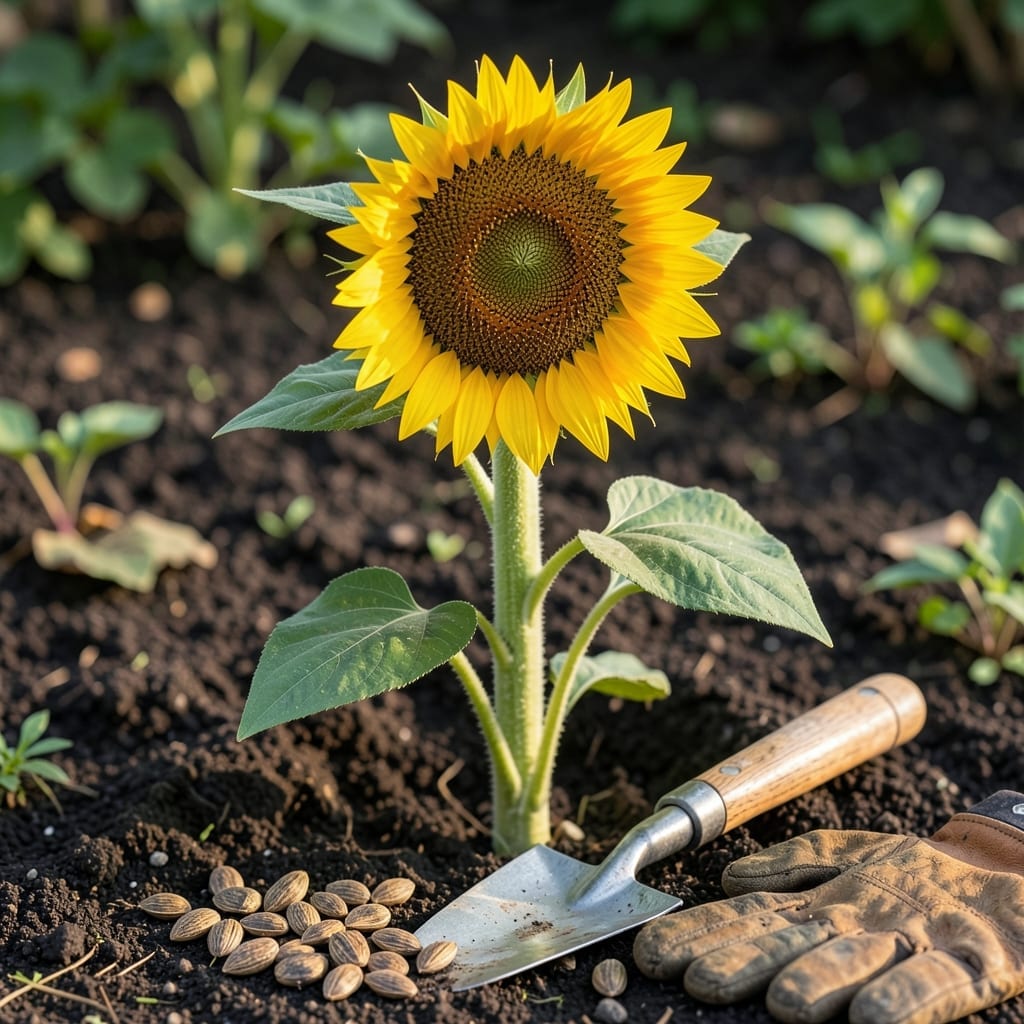
Timing is everything when planting Sunflowers in Ohio—plant too early and frost can kill young seedlings, but wait too long and you’ll miss the peak growing season.
The perfect window for your zone 6a garden ensures vibrant, towering blooms all summer long. I’ve learned the hard way that rushing this process rarely ends well.
Ohio’s climate demands patience. You need to consider last frost dates and soil temperature before getting started. The difference between success and disappointment often comes down to a few weeks.
Let me show you exactly when to plant your 🌻 Sunflowers for the best results. The timing might surprise you.
In Ohio’s zones 5-6, timing your sunflower planting is critical. The last frost date typically falls around April 15 to May 10, depending on your exact location. Planting too early risks frost damage to tender seedlings.
I always wait until soil temperatures reach at least 55-60°F before sowing seeds directly. This usually aligns with late April to early May for most Ohio gardeners. Sunflowers thrive in warm soil and need consistent warmth to germinate properly.
| Growing Factor | Ohio Zone 5-6 Details |
|---|---|
| Last Frost Date | April 15 – May 10 |
| Soil Temp for Planting | 55-60°F minimum |
| Best Planting Months | Late April – Early May |
| Days to Maturity | 60-100 days |
| Harvest Window | August – October |
For northern Ohio gardeners in zone 5, I recommend waiting until early May to be safe. Southern Ohio’s zone 6 areas can often start mid-April if the weather has been warm. Always check your local soil temperature with a garden thermometer.
If you’re eager to get a head start, you can begin indoor seed starting about 2-3 weeks before your last frost date. However, sunflowers don’t transplant well due to their sensitive taproots, so direct sowing is usually best.
Succession planting works wonderfully in Ohio. I plant new seeds every 2-3 weeks through early July for continuous blooms. This ensures you’ll have sunflowers at different stages throughout the growing season.
Remember that giant sunflower varieties need more time. For cultivars like ‘Mammoth’ or ‘Russian Giant’, plant as early as possible after frost danger has passed. These can take up to 120 days to mature, so timing is crucial.
Ohio’s summer heat can be intense, so morning planting helps reduce stress on young seedlings. Water thoroughly after planting to help settle the soil around the seeds. A light mulch can help retain moisture during germination.
Watch the 10-day forecast before planting. If nighttime temperatures are expected to drop below 50°F, it’s better to wait. Sunflower seeds can rot in cold, wet soil, so patience often pays off with stronger plants.
With proper timing, you’ll be rewarded with stunning sunflowers that can reach 8-12 feet tall in many varieties. The key is working with Ohio’s climate rather than against it 🌻
Ohio’s clay-heavy soil needs special attention before planting sunflowers. These cheerful giants prefer well-draining soil with a pH of 6.0-7.5 to thrive in our climate. I always start with a soil test to check my garden’s baseline.
Begin by loosening the soil to a depth of 12-18 inches. Sunflowers have deep taproots that need room to grow. This step is especially important in Ohio where compacted clay can restrict root development and water drainage.
I’ve found that aged compost works wonders in Ohio gardens. It improves soil structure while providing essential nutrients. Avoid fresh manure, as it can be too strong for young sunflower seedlings and may burn their roots.
For areas with poor drainage, consider creating raised beds. This ensures your sunflowers won’t sit in waterlogged soil after heavy rains, which are common in Ohio springs. A 6-inch raised bed can make a significant difference in root health.
Fertilizer application should be light at planting. I use a balanced 10-10-10 fertilizer worked into the top 6 inches of soil. Too much nitrogen early on can lead to tall, weak stems that struggle to support the heavy flower heads.
Remember that sunflowers are heavy feeders. Plan to side-dress with compost or a low-nitrogen fertilizer once the plants are 1 foot tall. This gives them the boost they need for those impressive Ohio summer blooms 🌻