
Beautiful Plants For Your Interior
Beautiful Plants For Your Interior
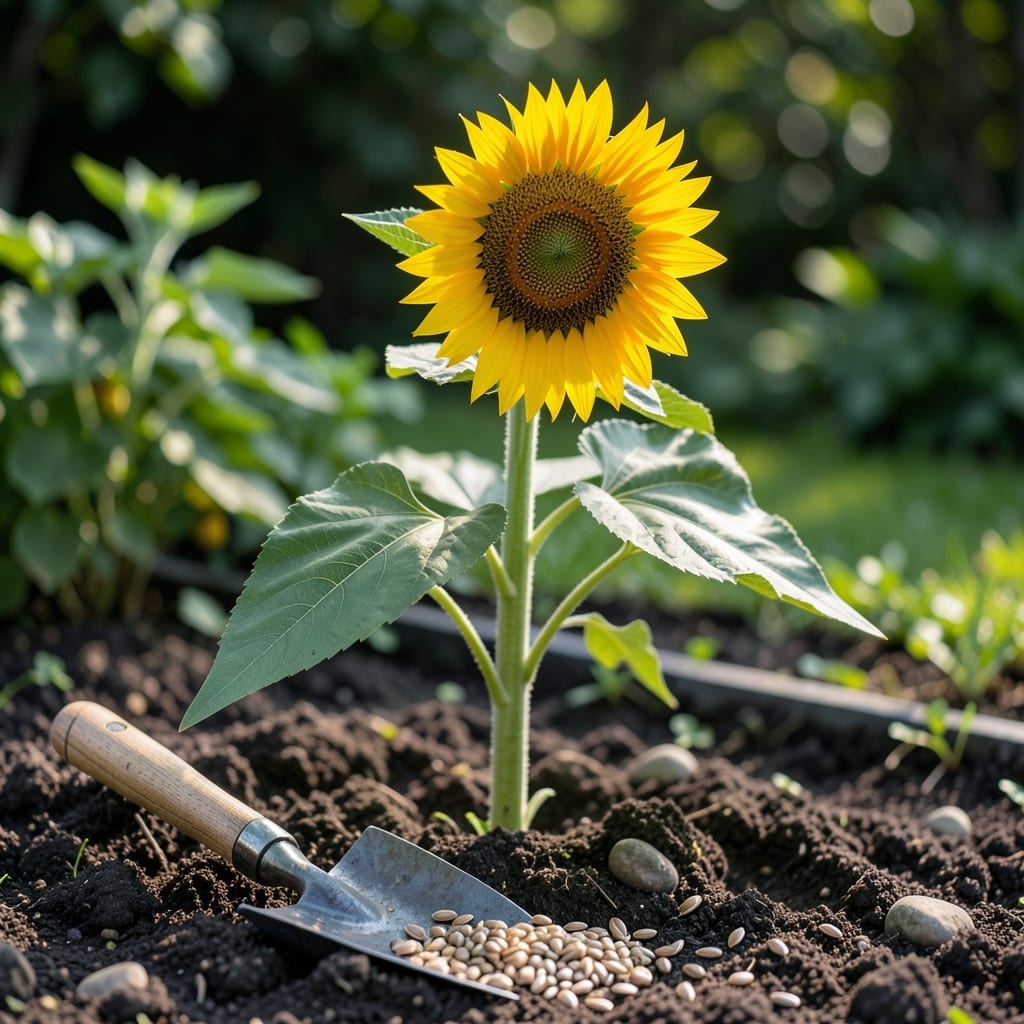
Timing is everything when planting Sunflower in Indiana—plant too early and frost can kill your seedlings, too late and they may not mature before fall.
Get the perfect schedule for Zone 5b-6a here. I’ll share the exact window that works best for our climate, so your 🌻 can thrive without the guesswork.
You’ll discover how to align your planting with the last frost date and soil temperature needs. No more wasted seeds or stunted growth.
Let me walk you through the easiest way to get vibrant blooms from April to May, setting you up for a spectacular harvest come summer.
Indiana’s Zone 5 climate means sunflowers need precise timing. Our last frost typically hits around April 15, so planting before then risks frost damage to tender seedlings. I always wait until soil temps reach 55-60°F for best germination.
For spring planting, aim for late April to early May. This gives your sunflowers enough time to mature before fall’s first frost, usually around October 15. Early varieties can handle a slight chill, but giant types need warmth.
| Planting Window | Key Requirement |
|---|---|
| Late April to Early May | Soil temp 55-60°F |
| After Last Frost | Avoid frost damage |
| March (Early Varieties) | Riskier, use cloches |
| June (Late Start) | May need dwarf varieties |
If you’re eager to start earlier, try indoor sowing 2-3 weeks before the last frost. Use peat pots for easy transplanting. Just
For fall planting, it’s trickier in Indiana. Sunflowers need 60-100 days to mature, so late June or early July is your cutoff. Later plantings may not survive early fall frosts, especially in northern Indiana.
Soil preparation is key. I test my soil’s temperature with a simple thermometer—no guesswork. If it’s below 50°F, wait a week and check again. Sunflower seeds won’t germinate well in cold, wet soil.
In southern Indiana, where it’s slightly warmer, you might push planting dates a week earlier. But in northern regions, stick to late April or early May. Microclimates matter too—urban areas or south-facing slopes warm up faster.
Watch the 10-day forecast before planting. If night temps dip below 40°F, hold off. Sunflowers are tough once established, but young seedlings are vulnerable to cold snaps and damp conditions.
For giant sunflowers, give them extra time. These varieties can take up to 120 days to mature. Plant them as soon as the soil is warm enough to ensure they reach their full 8-12 foot potential before fall.
Finally, remember that dwarf varieties are more forgiving. They mature faster and can handle slightly cooler temps, making them ideal for Indiana’s unpredictable springs. I’ve had great success with ‘Teddy Bear’ and ‘Sunspot’ in cooler seasons.
No matter the type, consistent moisture after planting helps seeds sprout. Once they’re a few inches tall, sunflowers are drought-tolerant, but those first weeks are critical for strong root development.
By following these Zone 5 guidelines, you’ll maximize your chances of tall, vibrant sunflowers that brighten your garden all summer long 🌻
Preparing your Indiana garden for sunflowers starts with understanding our Zone 5 climate. I always recommend testing your soil first—sunflowers thrive in well-draining soil with a pH of 6.0 to 7.5. 🌱
Choose a sunny spot that gets at least 6-8 hours of direct sunlight daily. Sunflowers are heavy feeders, so amending the soil with compost or aged manure gives them a strong start.
For dwarf varieties, spacing can be closer at 12 inches, while giant sunflowers need up to 3 feet apart. I’ve found this prevents overcrowding and promotes healthy growth.
Consider deer resistance—Indiana gardens often face this issue. Planting near a fence or using deer repellent can protect your sunflowers. 🌿
If your garden has poor drainage, raised beds are a great solution. Sunflowers hate wet feet, so ensure the water can flow away from the roots.
Finally, mulch around the base to retain moisture and suppress weeds. This simple step can make a huge difference in your sunflower’s growth. ☀️