
Beautiful Plants For Your Interior
Beautiful Plants For Your Interior
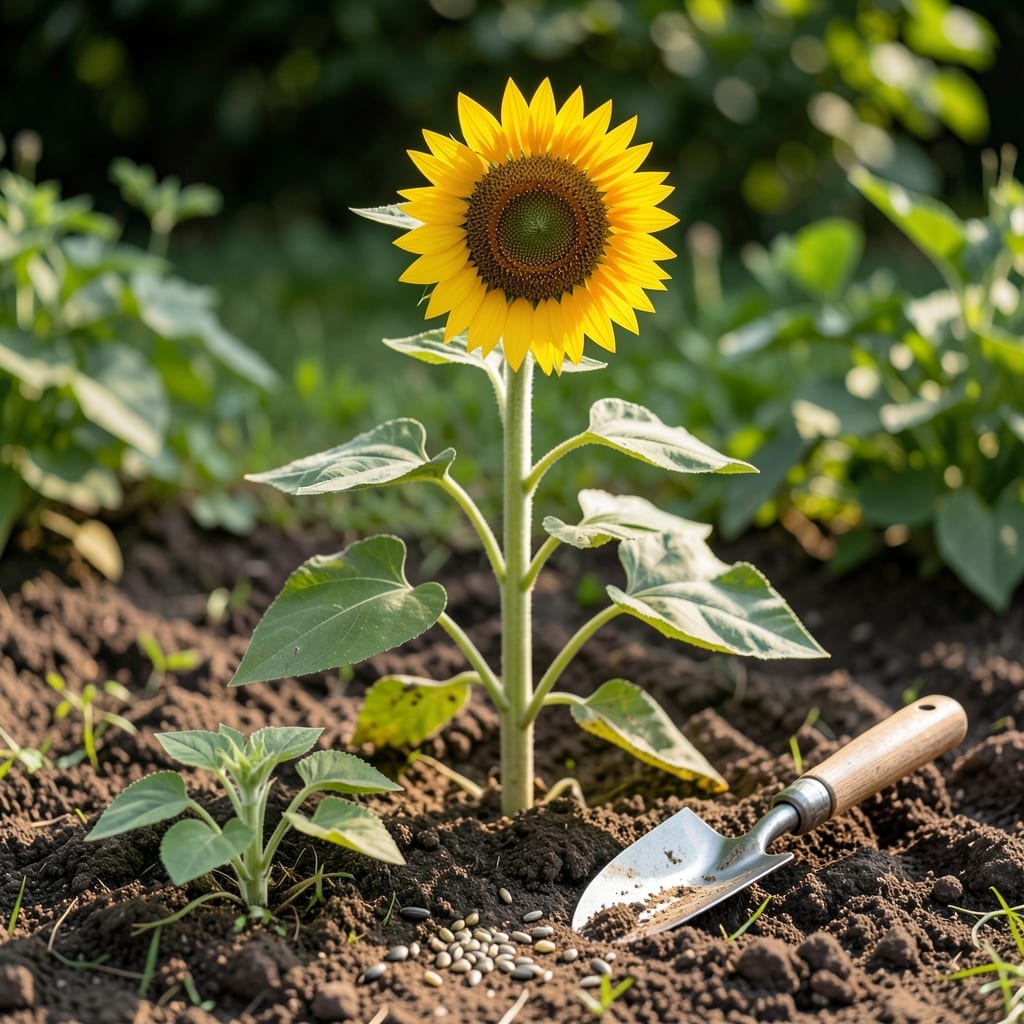
Timing is everything when planting Sunflowers in Florida’s unique climate. Plant too early or too late, and you risk stunted growth or poor blooms.
Florida’s 8a-10b zones offer two prime windows to get these cheerful giants started right. The soil temperature and frost dates here play a big role in your success.
I’ve learned that getting the timing right means the difference between a thriving garden and a disappointing one. The good news is that with the right approach, you can enjoy vibrant sunflowers almost year-round.
Discover the exact planting windows that work best for your part of Florida and set your garden up for spectacular blooms.
Florida’s three USDA zones (8, 9, and 10) each have distinct planting windows for sunflowers. The key is timing your planting to avoid frost and ensure warm soil for proper germination. Sunflowers thrive when soil temps hit at least 55°F.
In Zone 8 (Panhandle), aim for late February to early April for spring planting. A second window opens in September to early October for a fall harvest before the first frost arrives around November 15-30.☀️
| Zone | Spring Planting | Fall Planting | First Frost |
|---|---|---|---|
| 8 (Panhandle) | Feb 15 – Apr 1 | Sep 1 – Oct 15 | Nov 15-30 |
| 9 (Central) | Feb 1 – Mar 15 | Sep 15 – Oct 31 | Dec 1-15 |
| 10 (South) | Jan 15 – Mar 1 | Oct 1 – Nov 15 | Dec 15-31 |
For Zone 9 (Central Florida), the spring window shifts earlier to February 1 to March 15. Fall planting works well from September 15 to October 31. Frost typically arrives December 1-15, giving sunflowers plenty of time to mature.
Gardeners in Zone 10 (South Florida) enjoy the earliest start. Plant from January 15 to March 1 for spring blooms. The fall window extends to October 1 through November 15, with frost rarely appearing before December 15.
Soil temperature is critical across all zones. Use a soil thermometer to confirm it’s consistently 55°F or warmer at a 2-inch depth before planting. Cold soil can delay germination or cause seed rot.
In Zone 10, where frost is rare, you can even experiment with winter planting (December-January) for early spring blooms. Just watch for unseasonal cold snaps and be ready to protect young plants with frost cloth.
For all zones, direct sowing works best. Sunflowers dislike transplanting, so plant seeds 1-2 inches deep and 6-12 inches apart. Thin seedlings to 12-24 inches for dwarf varieties or 2-3 feet for giant types.
Remember that microclimates can shift these dates slightly. Coastal areas may stay warmer, while inland spots might cool faster. Always check your local frost dates and adjust accordingly.🌱
With the right timing, you’ll enjoy vibrant sunflowers that can reach 8-12 feet tall in just 60-80 days. The reward of those golden blooms makes the careful planning worthwhile.🌻
Florida’s diverse microclimates mean your sunflower planting timing can vary by region. I’ve found that coastal areas with high humidity often need earlier planting to avoid fungal issues.
The panhandle behaves more like the Deep South, with colder winters requiring later planting. Meanwhile, inland regions offer the most flexibility for both spring and fall crops.
In coastal zones, I recommend starting seeds in late February to avoid the peak humidity of summer. This gives your sunflowers time to establish before the wet season.
The panhandle’s last frost typically comes in mid-March, so I wait until then to plant. This region’s cooler springs mean you’ll see blooms slightly later than the rest of Florida.
Inland areas like Orlando or Tampa are the most forgiving. Here, I take full advantage of both the spring and fall planting windows for continuous blooms.
South Florida gardeners have the most flexibility. With proper care, you can plant sunflowers nearly year-round, though summer’s heat may require extra watering.
Adjust your timing based on these regional differences, and you’ll see healthier plants with more vibrant blooms. ☀️