
Beautiful Plants For Your Interior
Beautiful Plants For Your Interior
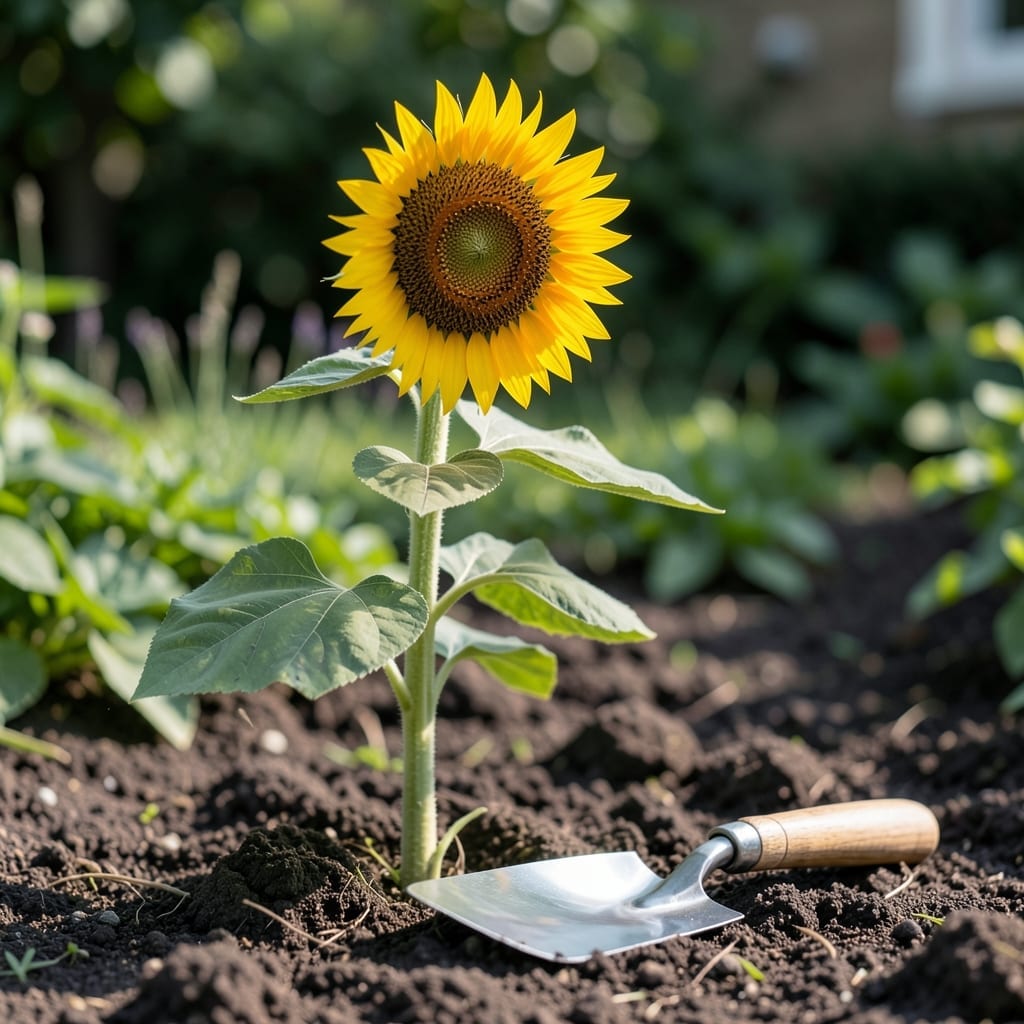
Timing is everything when planting Sunflower 🌻 seeds in Ohio. Plant too early and frost can wipe out your seedlings, but wait too long and you’ll miss the peak growing season.
Ohio’s climate demands precision, especially in zone 6a. The window between April and May offers the most reliable conditions for your sunflowers to thrive.
I’ve seen gardeners struggle with timing year after year. The difference between success and disappointment often comes down to just a few weeks.
Let me walk you through the exact timing and preparation steps that will give your Sunflower the best start for those vibrant, towering blooms we all love.
Ohio spans USDA zones 5-6, meaning your exact planting window depends on your location. In southern Ohio (zone 6), you can start as early as mid-April, while northern regions (zone 5) should wait until early May to avoid late frosts.
The key is soil temperature—sunflower seeds need 55-60°F to germinate properly. Use a soil thermometer to check, or wait until daytime temps consistently hit 60°F. Ohio’s last frost typically passes by April 15 in the south and May 10 in the north.
| Ohio Zone | Planting Window | Last Frost Date |
|---|---|---|
| Zone 5 (Northern) | Early May | May 10 |
| Zone 6 (Southern) | Mid-April | April 15 |
For fast-maturing varieties like ‘Moulin Rouge’ or ‘Teddy Bear’, you can push the envelope slightly. These smaller sunflowers tolerate cooler soil and may thrive if planted 1-2 weeks earlier than giant types.
Soil prep matters just as much as timing. Work in 2-3 inches of compost before planting to improve drainage. Sunflowers hate soggy roots, so avoid heavy clay unless amended.
If you’re eager to start earlier, try indoor sowing 2-3 weeks before your last frost date. Use peat pots to minimize root disturbance during transplanting. Just be sure to harden off seedlings before moving them outside.
Northern Ohio gardeners should watch the 10-day forecast closely. A late cold snap can set you back weeks. I always keep row covers handy for unexpected dips below 40°F.
For maximum bloom time, consider succession planting. Sow a new batch every 2-3 weeks until early June. This staggered approach gives you continuous blooms from July through September.
Remember that microclimates can shift your timeline. Urban areas and south-facing slopes warm up faster. If your garden sits in a frost pocket, add an extra week to the recommended dates.
Finally, test your soil before planting. Sunflowers prefer a pH of 6.0-7.5. If your soil is too acidic, work in garden lime a few weeks before sowing. This small step can make a big difference in growth vigor. 🌻
Preparing your Ohio soil properly is key for sunflower success. I always start by testing the pH level—sunflowers thrive in 6.0-7.5 range. Loosen the soil to 12 inches deep to help roots spread easily.
Remove any weeds or debris that might compete with your sunflower seeds. Mix in some compost for extra nutrients. This creates the perfect bed for your future giants.
I’ve found that morning planting works best—it gives seeds a full day to adjust. Choose a sunny spot with at least 6-8 hours of direct light daily.
For dwarf varieties, you can space seeds closer. But for those towering sunflowers, give them room to shine. I like to plant in small clusters for a dramatic effect.
Remember, soil temperature must stay above 55°F consistently. In Ohio, this usually means waiting until mid-April in southern areas or early May up north.
After planting, keep the soil moist but not soggy. Sunflowers are drought-tolerant once established, but those first weeks are critical for strong root development. 🌻