
Beautiful Plants For Your Interior
Beautiful Plants For Your Interior
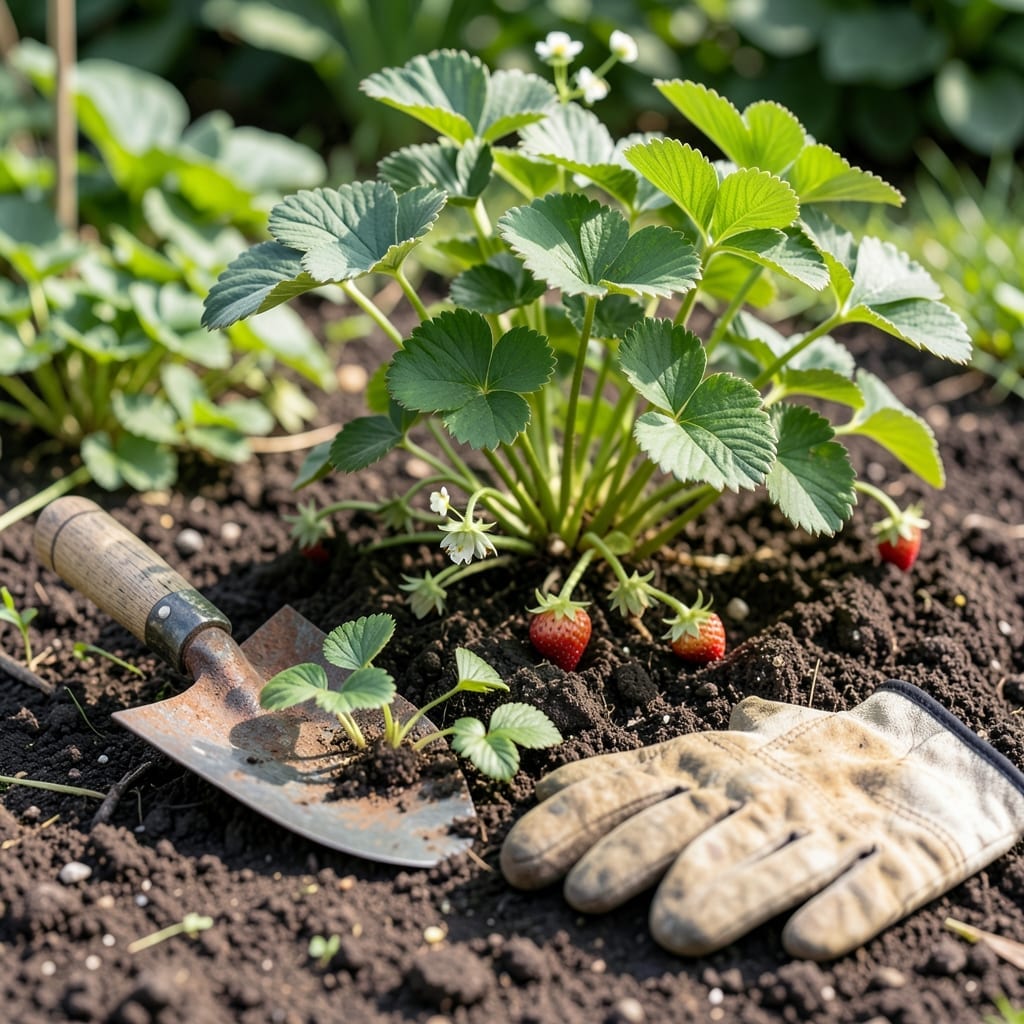
Timing is everything when planting Strawberry 🍓 in Tennessee—plant too early or too late, and you risk losing your crop to frost or heat. This is especially true in Zone 6b-7a, where weather can be unpredictable.
I’ve seen gardeners struggle with poor yields simply because they missed the ideal window. The good news? With the right timing, you can set yourself up for a bountiful harvest.
In Tennessee, the sweet spot for planting is March to April, after the last frost when soil is warm and workable. This gives your plants the best start for a May to June harvest.
Discover how to align your planting with Tennessee’s climate and soil conditions. Let’s make this your most productive Strawberry season yet.
In Tennessee’s Zone 7, timing your strawberry planting is critical. I’ve found that early spring offers the best window, typically from mid-March to early April, after the last frost date.
This timing allows plants to establish roots before summer heat arrives. For fall planting, aim for late September to give plants time to settle before winter dormancy. 🌱
| Variety | Planting Window | Harvest Time |
|---|---|---|
| June-bearing | March-April | May-June |
| Everbearing | March or September | June & Fall |
| Day-neutral | April or September | All season |
For June-bearing strawberries, which produce one large harvest, early spring planting is ideal. These need 6-8 weeks of cool weather to establish before fruiting.
Everbearing varieties offer two harvests and can be planted in both spring and fall. I recommend fall planting for these as it often results in stronger plants the following year.
Day-neutral strawberries are the most flexible, producing fruit throughout the season. They can go in the ground April through early May for spring planting.
Remember Tennessee’s last frost date is typically around April 15. Wait until after this date for spring planting to avoid frost damage to young plants. 🌿
Soil temperature is another key factor. Strawberries prefer soil temperatures between 40-50°F for root establishment. In Zone 7, this usually occurs naturally by mid-March.
For fall planting, aim to get plants in the ground 4-6 weeks before the first expected frost, which in Tennessee is around October 15. This gives them time to establish roots.
I’ve had great success with fall-planted everbearing varieties as they often produce an early crop the following spring. Just be sure to mulch heavily before winter sets in.
No matter when you plant, always choose healthy, disease-free plants and space them 12-18 inches apart in rows 2-3 feet apart for best results. ☀️
Getting strawberries to thrive in Tennessee’s Zone 7 climate starts with smart soil prep. I always test my soil’s pH level first—strawberries prefer a slightly acidic range of 5.5 to 6.5. Amend with compost for rich, well-draining soil. 🌱
Spacing matters too. I plant my June-bearing varieties 18 inches apart in rows 3 feet apart. For everbearing or day-neutral types, I tighten it to 12 inches apart. This gives roots room to spread while optimizing space. 🌿
Mulching is my secret weapon. I use straw or pine needles to keep soil moist and suppress weeds. This also protects shallow roots from Tennessee’s temperature swings. Just be sure to leave the crown exposed to prevent rot. 💧
Watering requires consistency. I give my strawberries 1-1.5 inches of water weekly, more during dry spells. Morning watering helps prevent fungal issues, and I always water at the base of plants to keep leaves dry.
For maximum yield, I feed my plants with a balanced 10-10-10 fertilizer every 4-6 weeks. Start in early spring and continue through the growing season, but stop 6 weeks before harvest to avoid affecting fruit flavor.
Finally, monitor for pests like slugs or birds. I use row covers early in the season and set up bird netting as berries ripen. With these steps, you’ll be rewarded with a sweet, abundant harvest from May through June. ✂️