
Beautiful Plants For Your Interior
Beautiful Plants For Your Interior
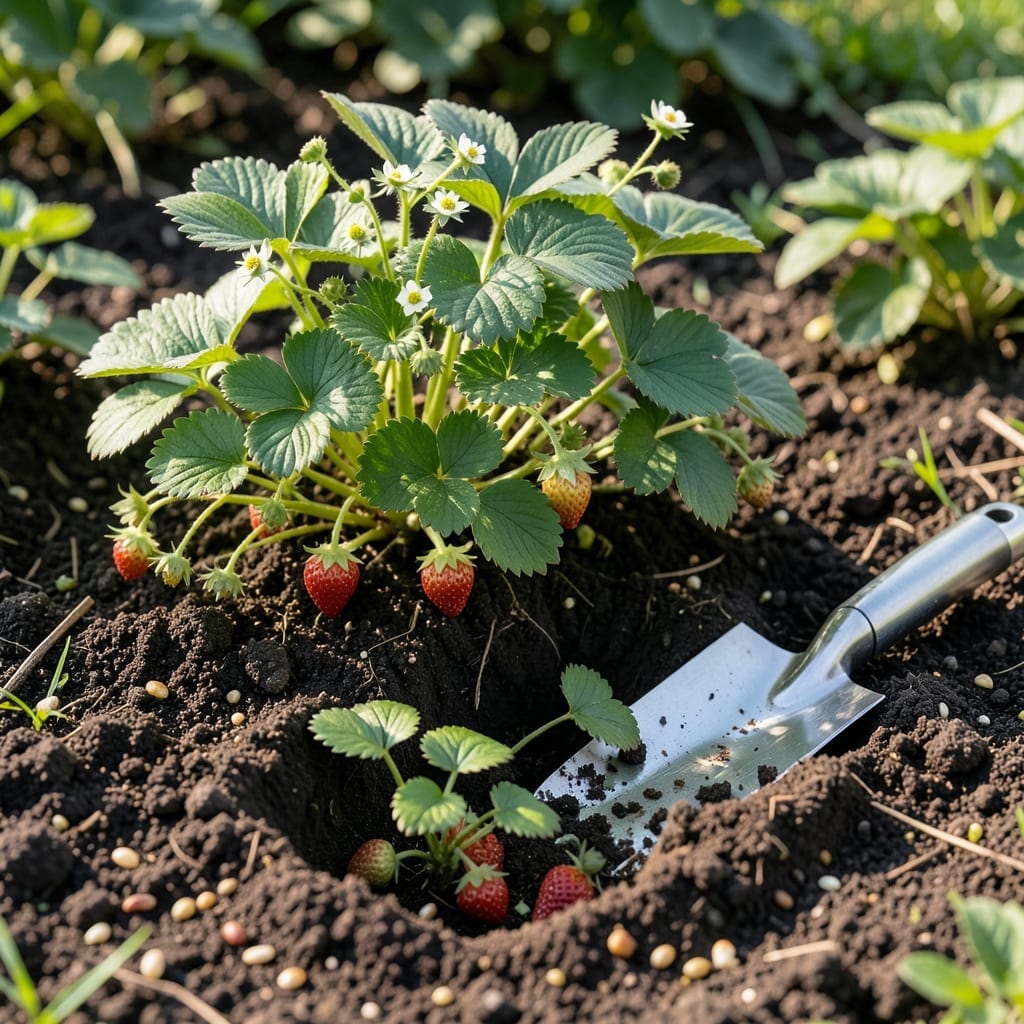
Timing is everything when planting Strawberry 🍓 in North Carolina—plant too early or too late, and you risk poor yields or frost damage.
This guide breaks down the exact windows for each growing zone so you can enjoy sweet, juicy berries all season long. I’ve tested various approaches across 7a-8a, and what I’m sharing works.
Whether you’re a beginner or seasoned gardener, getting the timing right makes all the difference. Let me walk you through the most important considerations for your region.
Discover how to align your planting with North Carolina’s unique climate for the best results. Your berry patch will thank you.
In North Carolina, the ideal strawberry planting window varies by USDA hardiness zone. The state spans zones 6a to 8b, each with unique frost dates and soil conditions that impact timing.
For most gardeners, early spring is prime time, but fall planting can also work in milder zones. I’ve found that soil temperature above 40°F is critical for root establishment.
| Zone | Spring Planting | Fall Planting | Last Frost Date |
|---|---|---|---|
| 6a | Mid-March to April | September to early October | April 15 |
| 7a | Early March to April | September to mid-October | April 10 |
| 7b | Late February to March | September to late October | April 5 |
| 8a | Late February to early March | October to early November | March 25 |
| 8b | Early February to March | October to mid-November | March 20 |
In zone 6a, I recommend waiting until mid-March to avoid late frosts. The soil warms slower here, so patience pays off for healthy plants.
Zone 7a and 7b gardeners can start earlier in March. I’ve seen February plantings succeed in 7b with row covers for frost protection.
For zone 8a and 8b, February is ideal. The milder winters allow for early root growth before hot summers arrive.
Fall planting works well in zones 7b-8b. I plant in October to give roots time to establish before winter dormancy.
Always check your local soil temperature with a thermometer. I aim for 40-50°F at 4-inch depth for best results.
In coastal areas, humidity and sandy soil may require adjustments. I add compost to improve moisture retention.
For mountain regions, elevation can shift frost dates. I consult local extension offices for hyper-local advice.
Remember, June-bearing varieties need early planting for summer harvests, while everbearing types offer more flexibility in timing.
☀️In North Carolina, choosing between June-bearing and everbearing strawberries affects your planting schedule. I’ve found June-bearing varieties thrive when planted in early spring for a single, abundant harvest.
Everbearing strawberries, on the other hand, produce multiple smaller harvests and can tolerate late spring or early fall planting. This flexibility makes them ideal for extending your berry season.
| Variety | Best Planting Time | Harvest Window |
|---|---|---|
| June-bearing | March – April | Late spring to early summer |
| Everbearing | April or September | Spring, summer, and fall |
| Day-neutral | April – May | Continuous through growing season |
For June-bearing strawberries, I recommend planting 4-6 weeks before the last frost in your NC zone. This gives roots time to establish before the intense summer heat arrives.
Everbearing types can go in early fall for a head start next spring. Just ensure they’re well-mulched to protect against winter temperature swings common in the Piedmont region.
I’ve had great success with day-neutral varieties planted in late April. They handle NC’s variable spring weather better than June-bearing types and keep producing until the first frost.
Remember, soil temperature matters more than air temperature. Use a soil thermometer to confirm 50°F+ before planting for best results.
With the right timing, you’ll enjoy sweet, homegrown strawberries from late spring through fall in North Carolina 🌱