
Beautiful Plants For Your Interior
Beautiful Plants For Your Interior
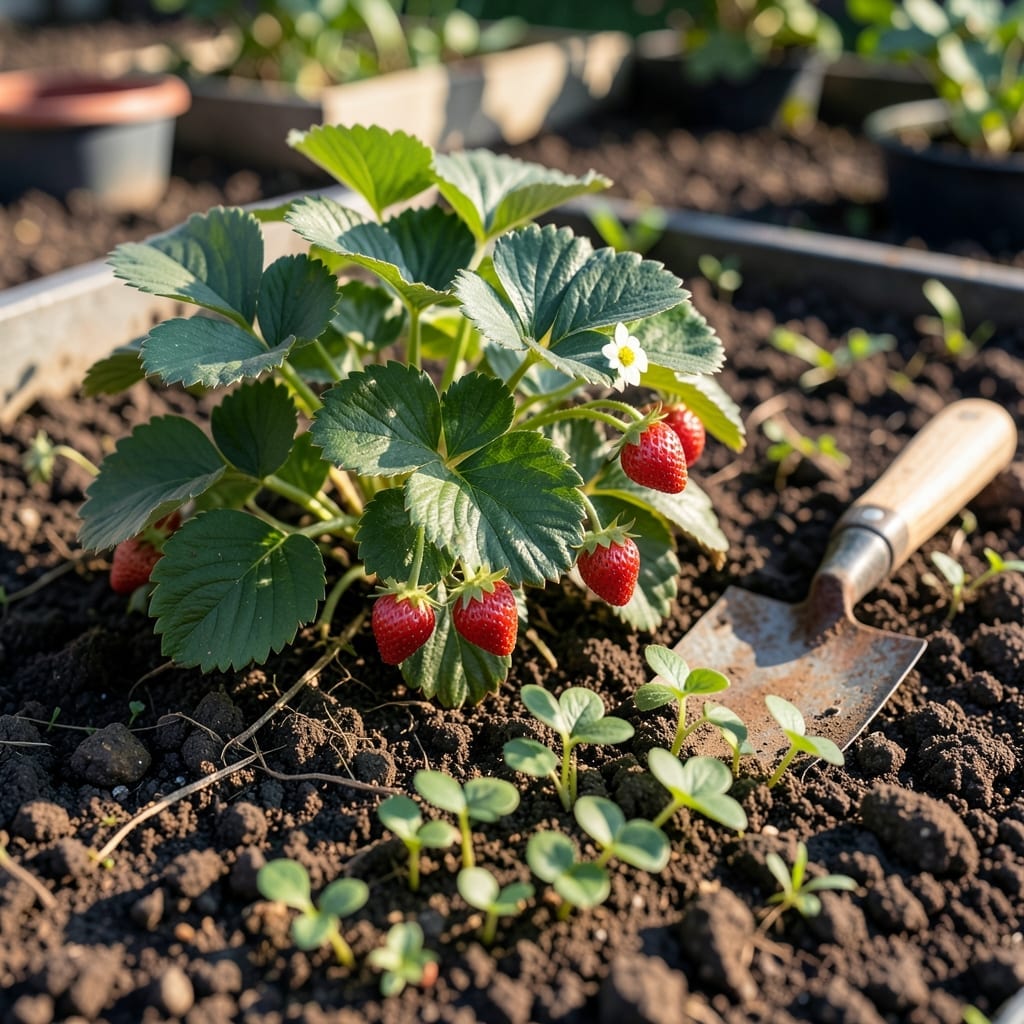
Timing is everything when planting Strawberry in New York—plant too early, and frost could kill your crop; too late, and you’ll miss the prime growing season.
Get the zone-specific dates right for a juicy harvest of sweet, homegrown berries. In zones 5b-7a, the window is narrow but rewarding.
Whether you’re a seasoned gardener or just starting, knowing when to plant ensures your 🍓 thrive. I’ll walk you through the best approach for your area.
Discover how to align your planting with New York’s climate for the most abundant yield. Let’s dig into the details.
New York spans USDA zones 4-7, meaning your strawberry planting window depends on your exact location. In zone 5b-7a, the sweet spot is March to May, after the last frost date when soil is workable.
For bare-root plants, aim for early spring (April in most areas). Container-grown strawberries can go in slightly earlier since they’re more frost-tolerant. Always check your local last frost date to be safe.
| Zone | Planting Window | Last Frost Date | Best Varieties |
|---|---|---|---|
| 4 | Late April – May | May 15 | Sparkle, Jewel |
| 5a-5b | Mid April – Early May | April 20-30 | Honeoye, Cavendish |
| 6a-6b | Early April – Mid May | April 10-20 | Albion, Seascape |
| 7a | Late March – Early May | April 5-15 | Chandler, Earliglow |
In urban areas like NYC, the microclimate can be slightly warmer due to heat islands. Here, you might plant 1-2 weeks earlier than rural areas. Still, always monitor soil temperature—it should be at least 40°F.
Fall planting is another option, especially for everbearing or day-neutral varieties. Plant 6-8 weeks before the first frost (around October 15 in most of NY) to establish roots before winter.
For June-bearing strawberries, I recommend sticking to spring planting. These varieties need a full season to establish and produce a single large harvest the following year.
Bare-root plants are economical but require immediate planting after purchase. If you can’t plant right away, heel them in (temporarily bury the roots in soil) to keep them viable.
Container-grown strawberries offer more flexibility. Since they’re already growing, they handle transplant shock better and can be planted as soon as the ground thaws.
No matter your zone, soil prep is key. Test your soil’s pH—strawberries thrive in slightly acidic soil (5.5-6.5). Amend with compost or well-rotted manure before planting.
Finally, mulch your plants with straw or pine needles to retain moisture and suppress weeds. This simple step can boost yields significantly. 🌱
Choosing the right strawberry variety for New York’s climate can make or break your harvest. I’ve tested several types and found that June-bearing, everbearing, and day-neutral each have unique advantages.
June-bearing strawberries produce one large harvest in early summer. They’re ideal for gardeners who want a big yield at once, perfect for preserving. Popular picks include ‘Honeoye’ and ‘Sparkle’, both cold-hardy and reliable in NY.
Everbearing strawberries like ‘Albion’ and ‘Seascape’ produce two to three harvests per season. They’re great for gardeners who want steady berries from spring to fall.
Day-neutral varieties such as ‘Tristar’ are another excellent choice. They fruit continuously as long as temperatures stay between 40°F and 90°F, making them perfect for NY’s variable climate.
For cold-hardy options, ‘Sparkle’ and ‘Jewel’ are top performers. These varieties can withstand frost and still produce sweet, flavorful berries. I’ve had great success with both in my own garden.
When selecting your variety, consider your growing space and time commitment. June-bearing types need less maintenance but give one big harvest, while everbearing and day-neutral require more attention but reward you with multiple harvests. 🌱