
Beautiful Plants For Your Interior
Beautiful Plants For Your Interior
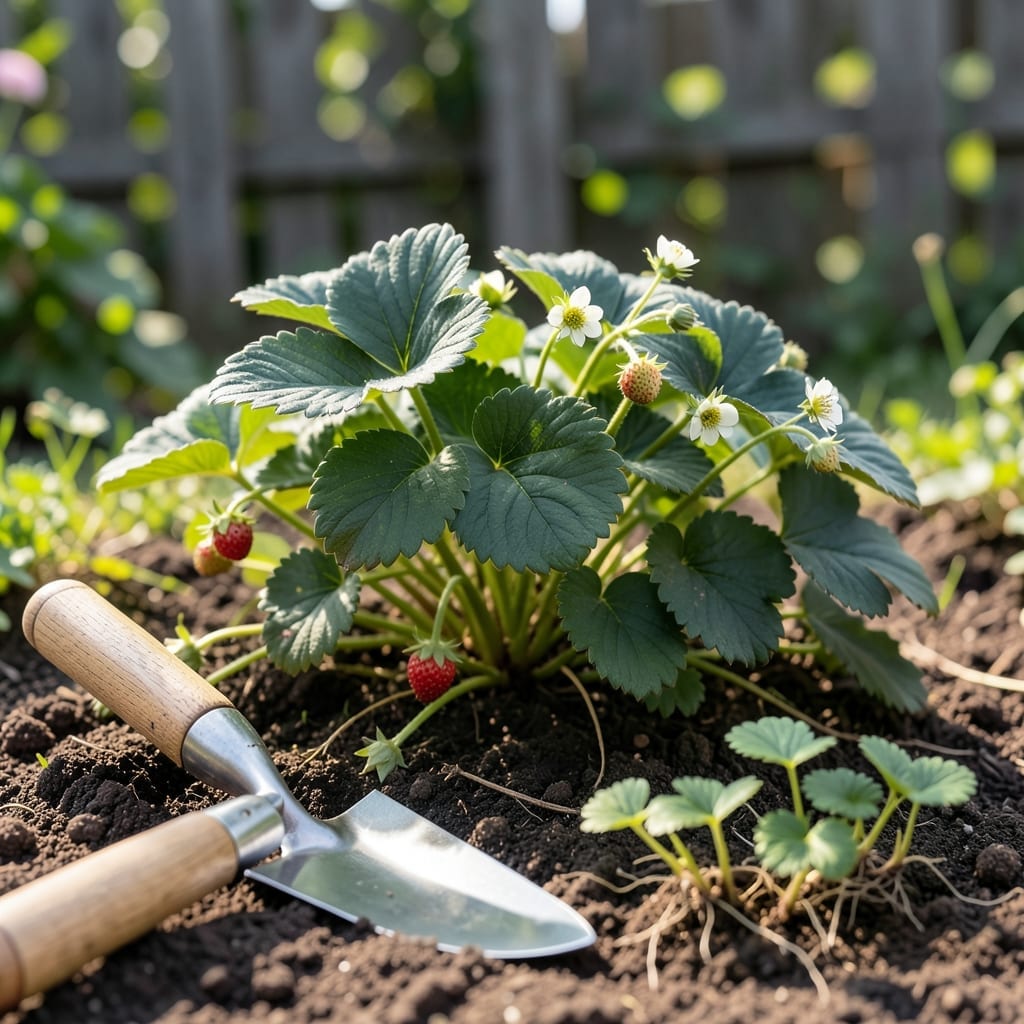
Timing is everything when planting Strawberry 🍓 in Kentucky. Whether you’re aiming for a sweet spring harvest or a fall bounty, knowing your zone 6b planting windows can make or break your crop.
Kentucky’s climate offers two prime opportunities to get your plants in the ground. The difference between success and struggle often comes down to just a few weeks.
I’ll walk you through the exact timing that works best for our region’s unique conditions. You’ll discover why some gardeners swear by spring planting while others prefer fall.
From frost dates to soil temperature, we’ll cover all the factors that determine when to plant for the most abundant harvest.
Kentucky’s Zone 6 climate offers two prime windows for planting strawberries. The early spring window runs from late March to early April, just after the last frost date around April 15. This timing lets plants establish before summer heat.
For a fall harvest, plant in late August to early September. This gives roots time to settle before winter dormancy. Soil temperature should be at least 60°F for best results.
| Strawberry Type | Best Planting Time | Key Notes |
| June-bearing | Early spring | Largest harvest in May-June |
| Everbearing | Spring or fall | Multiple smaller harvests |
| Day-neutral | Spring or fall | Continuous fruiting in mild weather |
I always check the 10-day forecast before planting. A sudden late frost can damage new strawberry plants. In Kentucky, our last frost typically hits around April 15, but microclimates vary.
The soil temperature is just as critical as air temperature. Use a soil thermometer to confirm it’s consistently above 60°F at a 4-inch depth before planting.
For spring planting, I prepare beds in late winter. This means testing soil pH (aim for 5.5-6.5) and working in plenty of organic compost. Well-draining soil prevents root rot.
Fall-planted strawberries need extra protection. I apply a 2-3 inch mulch layer of straw after the first hard frost. This insulates crowns from freezing temperatures.
In my experience, June-bearing varieties do best with spring planting. They establish strong roots during the growing season and produce a bountiful single harvest the following year.
For everbearing or day-neutral types, I prefer fall planting. These varieties can produce a small crop the next spring, then continue fruiting through summer and fall.
Remember, Kentucky’s climate can be unpredictable. If you miss the early spring window, you can still plant in late spring, but be prepared to water frequently to combat heat stress.
No matter when you plant, spacing is key. Set plants 12-18 inches apart in rows 3 feet apart. This gives them room to spread while allowing good air circulation to prevent disease.
☀️
Kentucky gardeners often debate the best season to plant strawberries. In our zone 6b climate, both spring and fall offer advantages depending on your goals and patience level.
Spring planting gives you a faster harvest but requires more attention to watering and frost protection. Fall planting allows roots to establish before winter, often leading to stronger plants the following year.
I’ve found June-bearing strawberries do particularly well with fall planting in Kentucky. The cool temperatures help them develop extensive root systems before dormancy.
For everbearing varieties, spring planting might be preferable as they can produce a small crop the first year. Just be prepared to protect those early blooms from late frosts.
Remember that soil preparation is equally important regardless of season. Kentucky’s clay soils benefit from ample compost worked in before planting.
In my experience, the ideal window for fall planting is late September to early October. This gives plants 4-6 weeks to establish before the first frost.
☀️