
Beautiful Plants For Your Interior
Beautiful Plants For Your Interior
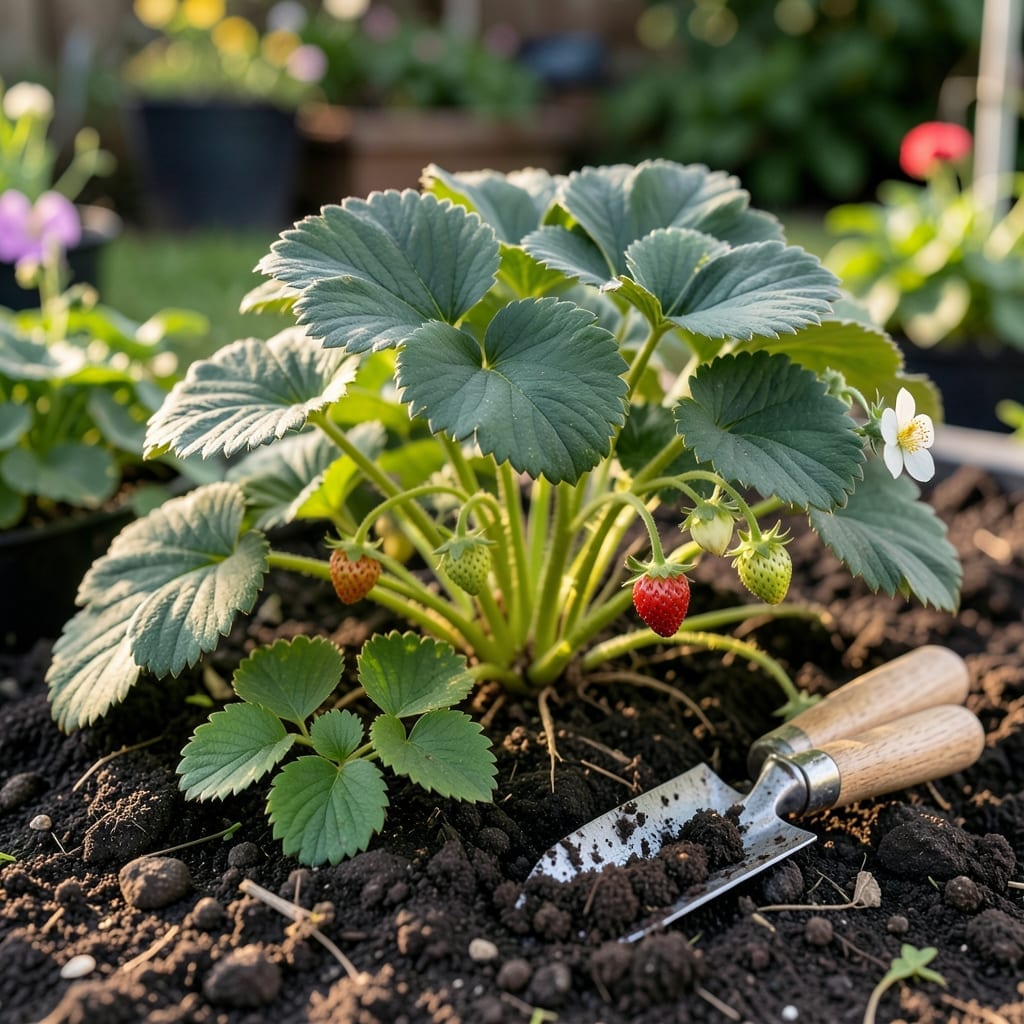
Timing is everything when planting Strawberry 🍓 in California—plant too early or too late, and your harvest could suffer. The Golden State’s diverse climate means what works in one region might fail in another.
I’ve tested planting windows across California’s zones, and the difference in yield is staggering. Whether you’re in foggy coastal areas or scorching inland valleys, nailing the timing ensures sweeter, bigger berries.
For most gardeners, the magic happens in fall or early spring. But the exact window depends on your microclimate and the variety you choose. Let me break it down simply.
Discover the precise planting schedule for your area and set yourself up for a bumper crop. Your future self will thank you when those first juicy strawberries appear.
California’s diverse climate zones mean strawberry planting times vary significantly. In coastal areas like San Francisco, you can plant year-round, but fall planting often yields the best results.
For inland regions such as Sacramento, aim for early spring or late summer to avoid extreme heat. Desert areas like Palm Springs require winter planting to escape the scorching sun.
| Zone | Region | Best Planting Time | Notes |
|---|---|---|---|
| 7-8 | Mountain Areas | Spring | Avoid frost pockets |
| 9-10 | Coastal | Fall or Spring | Mild winters allow flexibility |
| 10-11 | Desert | Winter | Plant in cooler months |
In USDA Zone 7-8, which includes higher elevations, spring planting is ideal. The last frost date is typically in April, so wait until then to plant your strawberry crowns.
For Zone 9-10, covering most of coastal California, September to November is perfect. This timing allows plants to establish roots before winter and produce a bountiful spring harvest.
In Zone 11, like the Coachella Valley, plant in December or January. The cooler temperatures help plants thrive without heat stress.
I always recommend checking your local frost dates for precision. A soil thermometer can help ensure temperatures are between 60-80°F, the sweet spot for strawberry roots.
Remember that bare-root plants need immediate watering after planting. In dry climates, I use drip irrigation to maintain consistent moisture without overwatering.
For container planting, ensure your pots have drainage holes. Strawberries hate soggy roots, so well-draining soil is a must in any California zone.
In my experience, mulching with straw or pine needles helps retain moisture and suppress weeds, especially in hotter regions. This simple step can boost your yield significantly.
If you’re in a foggy coastal area, don’t worry about less sun. Strawberries can tolerate partial shade, but they’ll produce more fruit with at least 6 hours of sunlight daily.
Choosing the right strawberry variety can make all the difference in California’s diverse climates. From June-bearing to everbearing types, each offers unique benefits for our state’s growing conditions.
I’ve found that day-neutral strawberries thrive in our mild winters and long growing seasons, producing fruit almost year-round in many areas. Meanwhile, June-bearing varieties give a big, concentrated harvest—perfect for preserves or fresh eating.
| Variety | Best For | Yield Potential |
|---|---|---|
| Albion (Everbearing) | Coastal regions | High, long harvest |
| Seascape (Day-Neutral) | Mild inland areas | Consistent, extended |
| Chandler (June-Bearing) | Warmer inland zones | Large fruit, single harvest |
Albion strawberries are my top pick for coastal California because they tolerate cooler temps and produce sweet berries from spring through fall. Their disease resistance is a bonus in humid coastal areas.
For inland gardeners, Seascape is a winner. This day-neutral variety handles heat well and keeps producing even when temperatures climb. I’ve seen it thrive in both containers and garden beds.
Chandler is ideal if you want one big June harvest. These plants produce large, flavorful berries but need more space. They’re perfect for gardeners who love to freeze or preserve their strawberry bounty.
No matter which variety you choose, well-draining soil and full sun are key to success. 🌱