
Beautiful Plants For Your Interior
Beautiful Plants For Your Interior
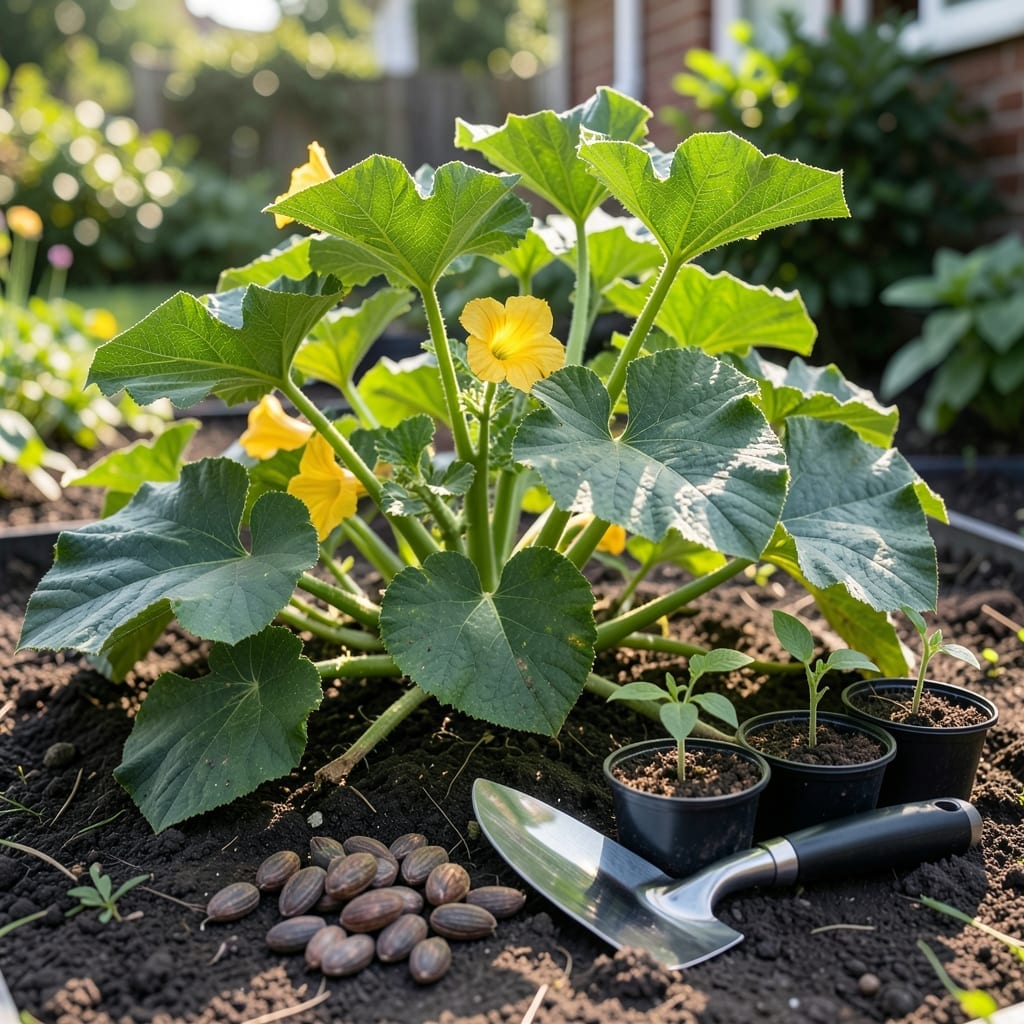
Timing is everything when growing 🎃 Pumpkin in Washington State—plant too early and frost will kill your vines, too late and your jack-o’-lanterns won’t mature in time.
Our state’s diverse zones from 7b-9a mean what works in Seattle won’t work in Spokane. The sweet spot exists between these extremes.
I’ve tested planting windows across multiple seasons to find the most reliable approach. The results might surprise you.
Discover the exact timing that ensures robust vines and perfect pumpkins, no matter where you are in Washington.
Timing your pumpkin planting in Washington State depends on your USDA hardiness zone. The state spans Zones 4-9, with Western WA generally warmer than Eastern areas. Each zone has unique last frost dates that dictate when it’s safe to plant. Soil temperature is critical—pumpkins need 70°F or warmer to germinate properly.
In Western Washington (Zones 7-9), you can typically start planting in mid-May, while Eastern Washington (Zones 4-6) often requires waiting until late May or early June. Coastal areas like Seattle may allow slightly earlier planting due to milder conditions.
| Zone | Last Frost Date | Planting Window | Notes |
|---|---|---|---|
| 4-5 (Eastern WA) | May 15 – June 1 | Late May – Early June | Use black plastic to warm soil |
| 6 (Spokane) | May 1 – May 15 | Mid-May | Avoid early cold snaps |
| 7-8 (Seattle) | April 15 – May 1 | Mid-April to Early May | Coastal microclimates help |
| 9 (Southwest WA) | March 15 – April 1 | Early April | Earliest planting window |
For Zone 4-5 areas like the Cascades foothills, I recommend starting seeds indoors 2-3 weeks before transplanting. This gives your pumpkin vines a head start in the shorter growing season. Always check your local soil temperature with a thermometer.
In Zone 7-9, you can often direct sow seeds after the last frost. The Puget Sound region benefits from maritime influence, but watch for unseasonal cold snaps. I’ve found that raised beds warm up faster than in-ground soil in these areas.
Remember that pumpkin varieties have different maturity times. Jack-o’-lantern types typically need 90-120 days, while smaller pie pumpkins may mature in 80-90 days. Plan accordingly based on your zone’s frost-free days.
For Eastern Washington, where nights can stay cool, consider using row covers early in the season. I’ve seen gardeners in Spokane extend their season by 2-3 weeks with this method. Just remove covers when flowers appear to allow pollination.
In Western Washington, the bigger challenge is often excess moisture. Ensure your planting site has excellent drainage to prevent root rot. I like to create mounded hills for each plant to improve drainage around the roots.
The ideal soil temperature for pumpkin germination is 85-95°F, but they’ll sprout at 70°F. If your soil is cooler, try laying black plastic mulch for 2-3 weeks before planting to warm it up.
Finally, always check the 10-day forecast before planting. A surprise late frost can set you back weeks. I keep a frost blanket handy just in case temperatures dip unexpectedly in spring. 🌱
Washington’s clay-heavy soils need extra prep before planting pumpkins. I always start with a soil test to check pH, aiming for 6.0-6.8 for optimal growth. If it’s too acidic, I add lime; too alkaline, sulfur does the trick.
Pumpkins crave warm, well-draining soil, so I amend with compost and aged manure. In cooler zones like Spokane or Bellingham, I use black plastic mulch to warm the soil faster for early planting.
If your garden has poor drainage, consider raised beds. Pumpkins hate wet feet, and raised beds ensure roots stay happy. I’ve seen vines thrive in 12-inch-deep beds filled with a mix of topsoil and compost.
For coastal areas like Seattle, where springs are damp, I wait until late May to plant. The extra time lets the soil dry out and warm up, which pumpkins love. Inland gardeners in Yakima can plant earlier, as their soil warms faster.
Don’t skip the pre-plant fertilizer. I work in a balanced 10-10-10 at planting time, then switch to a low-nitrogen formula once vines start running. This keeps growth steady without too much leafy sprawl.
Finally, mulch heavily after planting to retain moisture and suppress weeds. Straw works great, but I’ve had success with grass clippings too. Just keep it 2-3 inches thick for best results. ☀️