
Beautiful Plants For Your Interior
Beautiful Plants For Your Interior
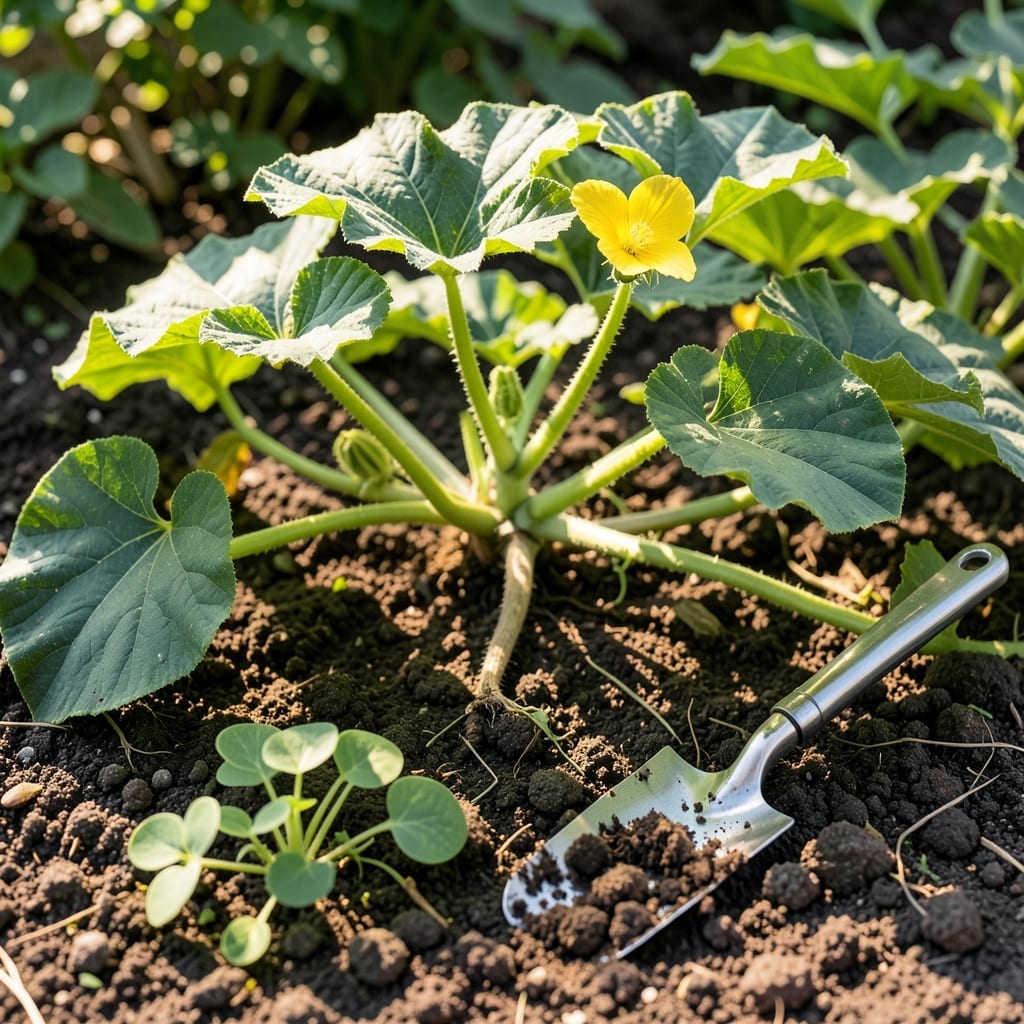
Timing is everything when growing pumpkins in Utah’s unique climate. Plant too early, and frost may kill your seedlings; plant too late, and your 🎃 won’t mature before the first fall chill.
Utah’s diverse zones 5b-7a mean planting windows vary, but getting it right ensures a bountiful harvest. The difference between success and disappointment often comes down to just a few weeks.
I’ll walk you through the ideal dates and factors like soil temperature and frost risks that most gardeners overlook. These details separate thriving vines from struggling plants.
Discover how to time your planting perfectly for Utah’s conditions and set your pumpkin patch up for success before you even put a seed in the ground.
Utah’s diverse climate zones 5b-7a create varying planting windows for pumpkins. In Northern Utah, the last frost typically hits around May 15, making late May the safest start.
Southern Utah warms earlier, so you can plant as early as mid-April in lower elevations. However, always check your local soil temperature—it must be at least 60°F for seeds to germinate.
| Region | Ideal Planting Window | Last Frost Date | Soil Temp Requirement |
|---|---|---|---|
| Northern Utah | Late May – Early June | May 15 | 60°F+ |
| Southern Utah | Mid-April – Early May | April 10 | 60°F+ |
| High Elevation | Early June | June 1 | 65°F+ |
Elevation plays a huge role in Utah. For every 1,000 feet gain, temperatures drop about 3-5°F. If you’re above 5,000 feet, wait until early June to avoid frost damage.
I always recommend using a soil thermometer to confirm conditions. Even if air temps are warm, cold soil can delay germination or cause seed rot. Aim for consistent 65-70°F at 2-inch depth.
Microclimates matter too. Urban areas and south-facing slopes warm faster. If your garden has a protected spot, you might plant 1-2 weeks earlier than the general dates.
For early varieties like ‘Small Sugar’ or ‘Jack Be Little’, you can push the planting window slightly earlier. But larger carving pumpkins need the full season—don’t risk it before May in most areas.
Remember Utah’s short growing season. Most pumpkins need 90-120 days to mature. Count backward from your expected first frost (around October 10 in many areas) to determine your latest safe planting date.
If you’re eager to start early, consider black plastic mulch to warm the soil. This can give you a 2-3 week head start in cooler areas. Just remove it once seedlings emerge to prevent overheating.
Finally, watch the 10-day forecast before planting. A late frost warning means you should hold off. It’s better to wait than to lose your crop to an unexpected cold snap. 🌱
Preparing your soil properly is the foundation for growing healthy pumpkins in Utah. Our state’s clay-heavy soils can be tricky, but with the right approach, you can create the perfect environment for your vines to thrive.
I always start by testing the soil pH, aiming for a range of 6.0-6.8. Pumpkins prefer slightly acidic to neutral soil, and Utah’s natural conditions often need adjustment to hit this sweet spot.
Utah’s clay soil tends to compact easily, which can suffocate pumpkin roots. I’ve found that mixing in organic matter like compost improves both drainage and nutrient content significantly.
Don’t overlook the importance of soil temperature. Pumpkin seeds won’t germinate well in cold soil, so I wait until it reaches at least 60°F. A simple soil thermometer takes the guesswork out of this.
For best results, I prepare my pumpkin beds 2-3 weeks before planting. This gives amendments time to integrate and the soil time to warm up properly. It’s amazing how much difference this makes in seedling vigor.
Remember that pumpkins are heavy feeders, so I always work in a balanced fertilizer before planting. This gives the young plants the nutrients they need to establish strong root systems quickly. 🌱