
Beautiful Plants For Your Interior
Beautiful Plants For Your Interior
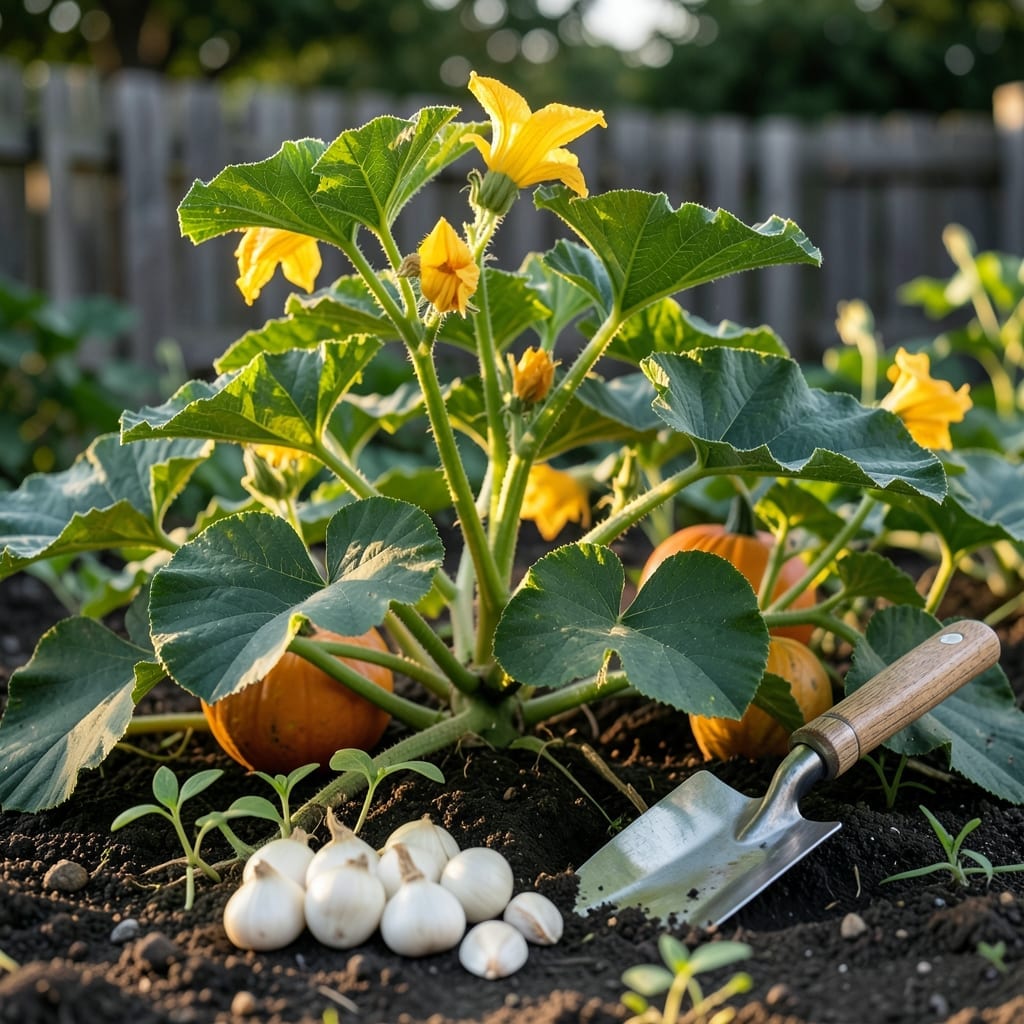
Timing is everything when growing 🎃 Pumpkin in South Carolina’s unique climate. Plant too early, and frost may kill your vines; plant too late, and your pumpkins won’t mature before harvest season.
With our state’s warm summers and mild winters, getting the timing right can mean the difference between a bumper crop and a disappointing yield. I’ve seen firsthand how proper planning leads to thriving vines and perfect pumpkins.
Whether you’re in the coastal plains or the upstate hills, knowing your local frost dates and soil conditions is the key. Let me guide you through the best approach for your area.
You’ll discover why late spring to early summer planting works best for most South Carolina gardeners, and how to prepare your soil for success. Let’s get started.
South Carolina’s diverse climate zones (7-8) create varying pumpkin planting windows. Coastal areas warm up faster than the Upstate, affecting when you should sow seeds. I’ve found timing is critical for avoiding frost damage and ensuring a full growing season.
The ideal soil temperature for pumpkins is 70°F or higher. In most of South Carolina, this means late May to early July is your sweet spot for planting. This gives vines time to mature before the first fall frost, typically around November 15.
| Region | Planting Window | Last Frost Date | First Frost Date |
|---|---|---|---|
| Coastal | Early May – Late June | March 25 | November 25 |
| Piedmont | Mid-May – Early July | April 10 | November 10 |
| Upstate | Late May – Mid-July | April 20 | November 1 |
In the Coastal region, the longer growing season allows for earlier planting. I recommend starting seeds early May here, as the last frost typically passes by March 25. The extra weeks give pumpkins time to reach full size before harvest.
The Piedmont region sits in the middle, with mid-May to early July being optimal. This area’s last frost is around April 10, so planting too early risks exposing young vines to unexpected cold snaps. I’ve seen many gardeners lose plants by jumping the gun here.
For the Upstate, patience is key. The last frost can linger until April 20, and the first frost arrives earlier, around November 1. Planting between late May and mid-July ensures your pumpkins have enough time to mature before the cold sets in.
Remember, soil temperature is just as important as air temperature. Even if the calendar says it’s time, I always check with a soil thermometer. If the soil is below 60°F, seeds may rot or germinate poorly.
For those eager to get a head start, starting seeds indoors 2-4 weeks before transplanting can help. Just be sure to harden off seedlings before moving them outside to avoid transplant shock. I’ve had great success with this method in cooler areas.
If you’re planting in raised beds, they tend to warm up faster than in-ground soil. This can give you a 1-2 week head start on planting. I’ve noticed raised beds also improve drainage, which pumpkins love.
Finally, keep an eye on the weather forecast. A late cold snap can set back even the most carefully planned garden. I always have frost cloth on hand just in case temperatures dip unexpectedly after planting.☀️
Proper soil preparation is the foundation for healthy pumpkin plants in South Carolina. I always start by testing my soil pH, aiming for a range of 6.0-6.8. This slightly acidic environment helps pumpkins absorb nutrients effectively.
Enriching your soil with compost or aged manure improves fertility and drainage. Pumpkins are heavy feeders, so I mix in plenty of organic matter before planting. This gives young plants the nutrients they need to establish strong root systems.
For early planting, I recommend starting seeds indoors 2-4 weeks before your planned transplant date. Use peat pots or seed trays with good drainage. Keep the soil warm (70-85°F) and moist but not soggy.
When transplanting, harden off seedlings over 7-10 days to acclimate them to outdoor conditions. I’ve found this step crucial for preventing transplant shock. Begin with a few hours of shade and gradually increase sun exposure.
For direct sowing, wait until soil temperatures consistently reach 70°F. Plant seeds 1 inch deep and 2-3 feet apart in rows spaced 5-6 feet apart. Pumpkins need room to spread their vines.
One common mistake I see is planting in cold soil. Pumpkin seeds may rot or germinate poorly if soil temperatures are below 60°F. Always use a soil thermometer to check conditions before planting.
Finally, ensure your planting site gets full sun (6-8 hours daily). Pumpkins thrive in warm, sunny locations with good air circulation. I’ve had the best results in spots sheltered from strong winds.☀️