
Beautiful Plants For Your Interior
Beautiful Plants For Your Interior
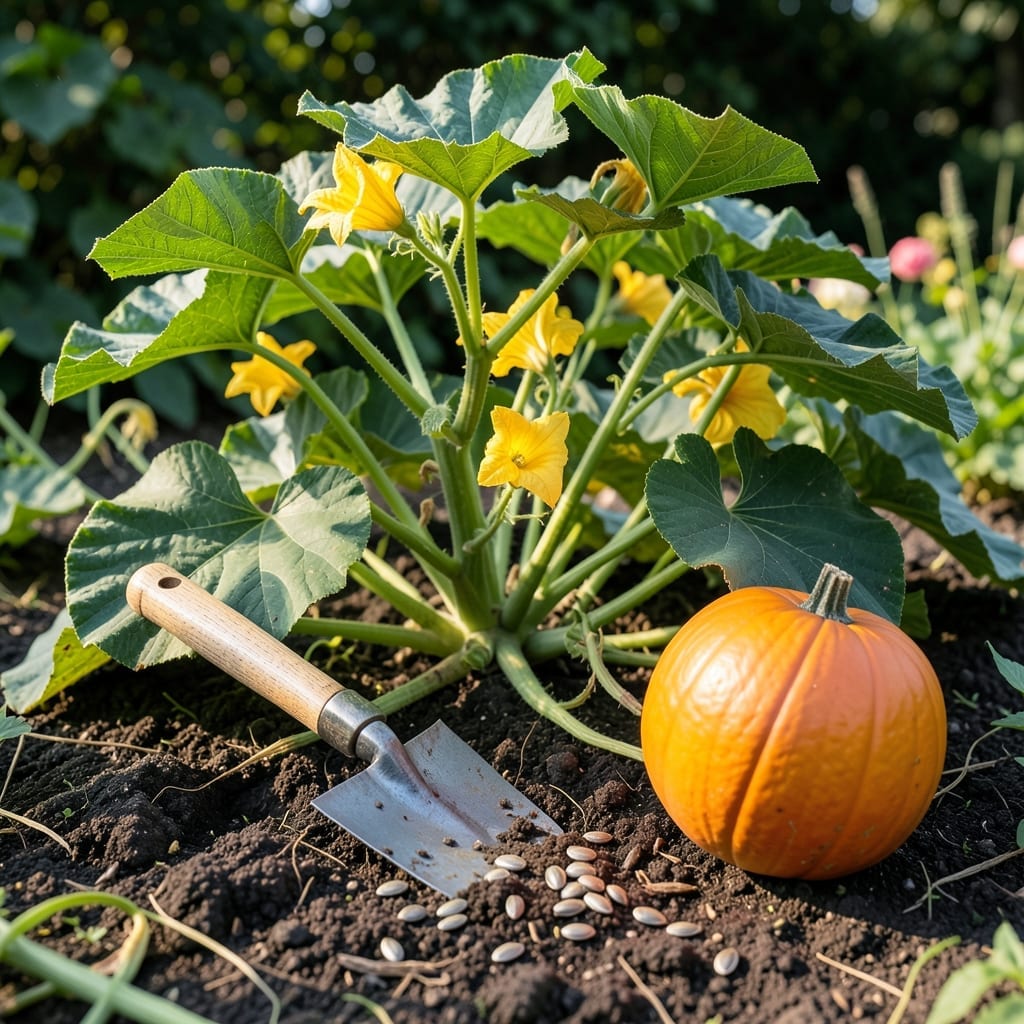
Timing is everything when it comes to planting 🎃 Pumpkin seeds in Indiana. Plant too early, and frost could wipe out your crop.
Plant too late, and you might miss the fall harvest entirely. Getting the timing right ensures healthy vines and plump, vibrant pumpkins.
Indiana’s 5b-6a climate means you need to watch both soil temperature and frost dates carefully. The window is narrow but most important.
I’ll show you exactly when to plant for the best results in your area. Let’s make this your most successful pumpkin season yet.
Indiana’s diverse climate means the optimal planting window varies by region. In Northern Indiana, pumpkins should go in the ground after the last frost, typically mid-to-late May. The soil needs to be warm, at least 60°F, for seeds to germinate properly. 🌱
For Central Indiana, the ideal time is slightly earlier, around early to mid-May. Southern Indiana, with its warmer climate, can start planting as early as late April. Always check local frost dates to be sure.
| Region | Planting Window | Soil Temp | Frost Date |
|---|---|---|---|
| Northern Indiana | Mid-Late May | 60°F+ | May 10 |
| Central Indiana | Early-Mid May | 60°F+ | April 20 |
| Southern Indiana | Late April | 60°F+ | April 15 |
For early-maturing varieties, you can push the envelope slightly, planting 7-10 days earlier than standard types. These pumpkins, like ‘Small Sugar’ or ‘Jack Be Little’, mature in 75-90 days. They’re perfect for shorter growing seasons.
Late-maturing varieties, such as ‘Atlantic Giant’, need 120 days or more. In Indiana, these should be planted by early June at the latest to ensure they reach full size before the first frost, typically around October 15. 🌿
Soil temperature is the most critical factor. Even if air temperatures are warm, cold soil will delay germination or cause seeds to rot. I always use a soil thermometer to check. If the soil is below 60°F, wait a few more days.
Indiana’s clay-heavy soils can be a challenge. They retain moisture but warm up slowly. To speed up the process, I cover the planting area with black plastic mulch a week before planting. This traps heat and warms the soil faster.
Another tip: start seeds indoors 2-3 weeks before the last frost date if you’re eager to get a head start. Use peat pots to avoid disturbing the roots during transplanting. Just be sure to harden off the seedlings before moving them outside. ✂️
Remember, pumpkins are warm-season crops. They thrive in full sun and need 6-8 hours of sunlight daily. In Indiana, this is rarely an issue during the growing season, but keep an eye on shaded areas in your garden.
Finally, consider succession planting. If you have space, plant a new batch of seeds every 2-3 weeks until early July. This ensures a continuous harvest and extends your pumpkin season well into fall.
By following these regional guidelines and tips, you’ll maximize your chances of a bumper pumpkin crop in Indiana. Happy planting! 🌻
Preparing the right soil conditions is key for growing pumpkins in Indiana. Our clay-heavy soils need amending with compost or aged manure to improve drainage and fertility. I always mix in a 2-3 inch layer before planting. 🌱
Pumpkins thrive in slightly acidic to neutral soil with a pH of 6.0-7.5. Test your soil and adjust with lime or sulfur if needed. Indiana’s soil often leans acidic, so lime may be necessary in many areas.
Seed spacing matters for healthy vines. For standard pumpkins, plant seeds 2-3 feet apart in rows 6-8 feet apart. Bush varieties can be closer, about 1-2 feet apart in all directions.
In Indiana, our seasonal rainfall can be unpredictable. To ensure consistent moisture, I recommend adding organic mulch around plants. This retains water, suppresses weeds, and keeps soil temperatures stable.
Seed depth is another critical factor. Plant seeds 1 inch deep in well-drained, warm soil. If planting in hills (a traditional method), place 4-5 seeds per hill with hills spaced 5-6 feet apart. 🌿
After planting, water deeply to settle the soil around seeds. Keep the soil evenly moist but not waterlogged. Pumpkins have deep roots, so 1-2 inches of water per week is ideal during the growing season.