
Beautiful Plants For Your Interior
Beautiful Plants For Your Interior
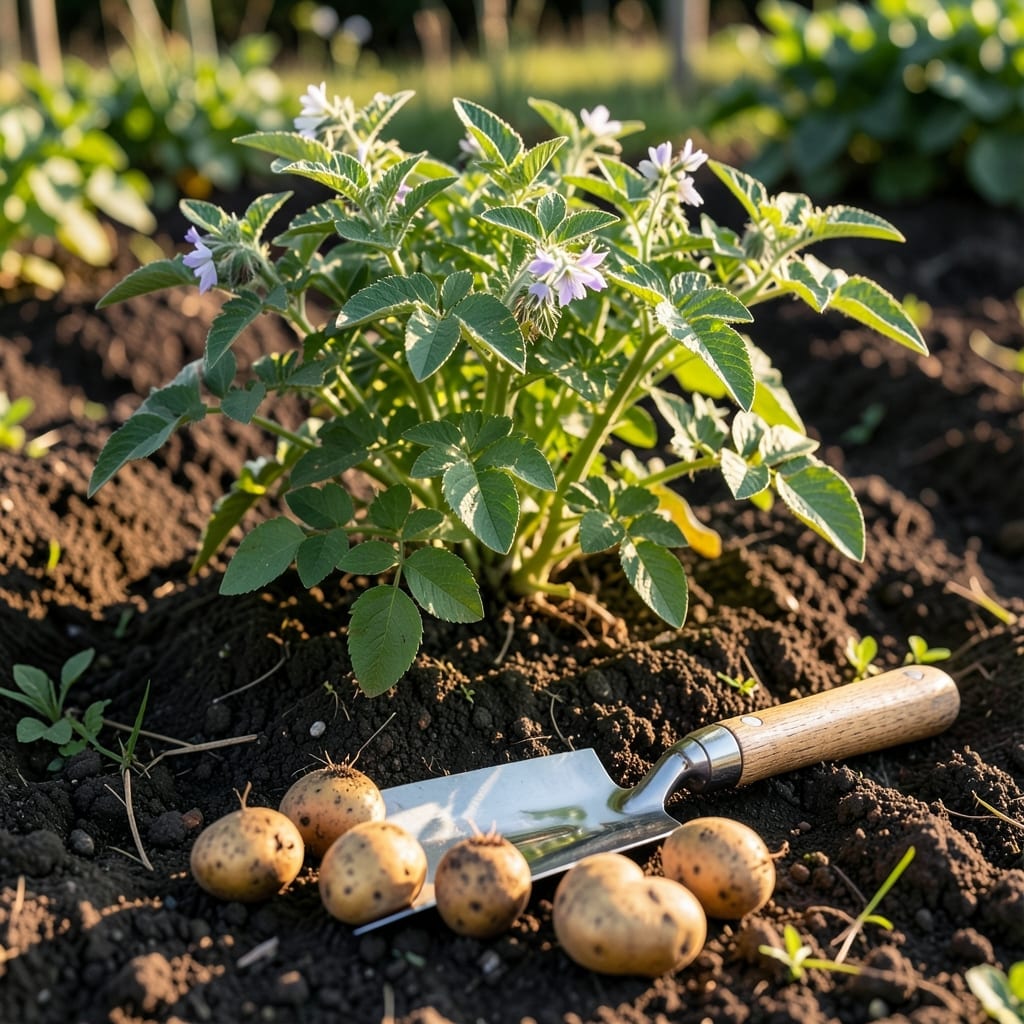
Timing is everything when planting 🥔 Potato in Kentucky—plant too early and frost may kill your sprouts, too late and your harvest will suffer. Kentucky’s Zone 6b climate offers two distinct planting windows to maximize your yield.
I’ve learned the hard way that getting the timing right makes all the difference. The sweet spot for spring planting in Kentucky is just before the last frost, when the soil starts to warm up.
But there’s more to it than just dates. You’ll want to watch for soil temperature and moisture levels too. These factors can make or break your Potato crop.
Discover the exact timing and techniques that work best for Kentucky gardeners. Let me walk you through what I’ve found works best in our unique climate.
Kentucky’s Zone 6 climate gives gardeners two ideal windows for planting potatoes. I’ve found the spring window runs from mid-March to early April, aligning with soil temps of 45-55°F. This timing helps avoid late frosts while maximizing growth before summer heat.
The fall planting window is another great option, typically from mid-August to early September. This lets potatoes mature before the first frost hits around mid-October. Both windows work well if you monitor soil conditions closely.
| Planting Window | Soil Temp Range | Frost Alignment |
|---|---|---|
| Spring | 45-55°F | 2-3 weeks before last frost |
| Fall | 45-55°F | 10-12 weeks before first frost |
For spring planting, I recommend starting 2-3 weeks before Kentucky’s average last frost date of April 15. This gives seed potatoes time to establish before warmer weather arrives. The soil should be workable and not waterlogged from winter rains.
In fall, aim to plant 10-12 weeks before the first expected frost. This ensures tubers have enough time to develop. I’ve had success planting in mid-August, which usually allows for a late October harvest before cold sets in.
Soil temperature is critical for both seasons. Use a soil thermometer to confirm temps are consistently above 45°F. Planting in cold soil can cause seed potatoes to rot rather than sprout. I check my soil in multiple spots since temperatures can vary across the garden.
Kentucky’s loamy soil is generally great for potatoes, but I always amend with compost for better drainage. In spring, well-draining soil prevents waterlogging from frequent rains. For fall plantings, mulching helps retain moisture as temperatures drop.
Early varieties like ‘Yukon Gold’ or ‘Red Pontiac’ work well for both seasons. For fall planting, choose fast-maturing varieties that can produce tubers in 60-70 days. This ensures a harvest before winter.
Remember that microclimates can affect planting times. If you’re in a warmer urban area, you might plant a week earlier. In cooler mountainous regions, wait until soil warms sufficiently. I always adjust based on my specific location’s conditions.
Finally, keep an eye on weather forecasts. If a late frost is predicted after spring planting, I cover emerging shoots with row covers or mulch for protection. For fall plantings, row covers can also extend the growing season if an early frost threatens.
☀️Kentucky’s Zone 6 climate gives gardeners two great opportunities to grow potatoes. I’ve found that spring planting offers the most reliable harvest, but fall can work too with the right approach.
Spring planting typically happens 2-3 weeks before the last frost date, usually in late March to early April. Fall planting should be timed so tubers mature before the first frost in mid-October.
Spring planting benefits from cooler soil that prevents disease and longer daylight hours as plants mature. I’ve noticed my spring crops always produce more uniform tubers with fewer pest issues.
Fall planting requires fast-maturing varieties since you’re racing against frost. I recommend starting seed potatoes indoors in July to get a head start before transplanting in August.
Both seasons need well-draining soil to prevent rot. I always amend my beds with compost before planting, regardless of the season. This gives the tubers room to expand without waterlogging.
Watch for Colorado potato beetles in spring and fleabeetles in fall. I use row covers to protect my plants during vulnerable stages. This simple step can double your harvest some years. ☀️
Remember that fall-planted potatoes need protection from early frosts. I’ve had success using straw mulch to insulate the soil and extend the growing season by several weeks. 🌱