
Beautiful Plants For Your Interior
Beautiful Plants For Your Interior
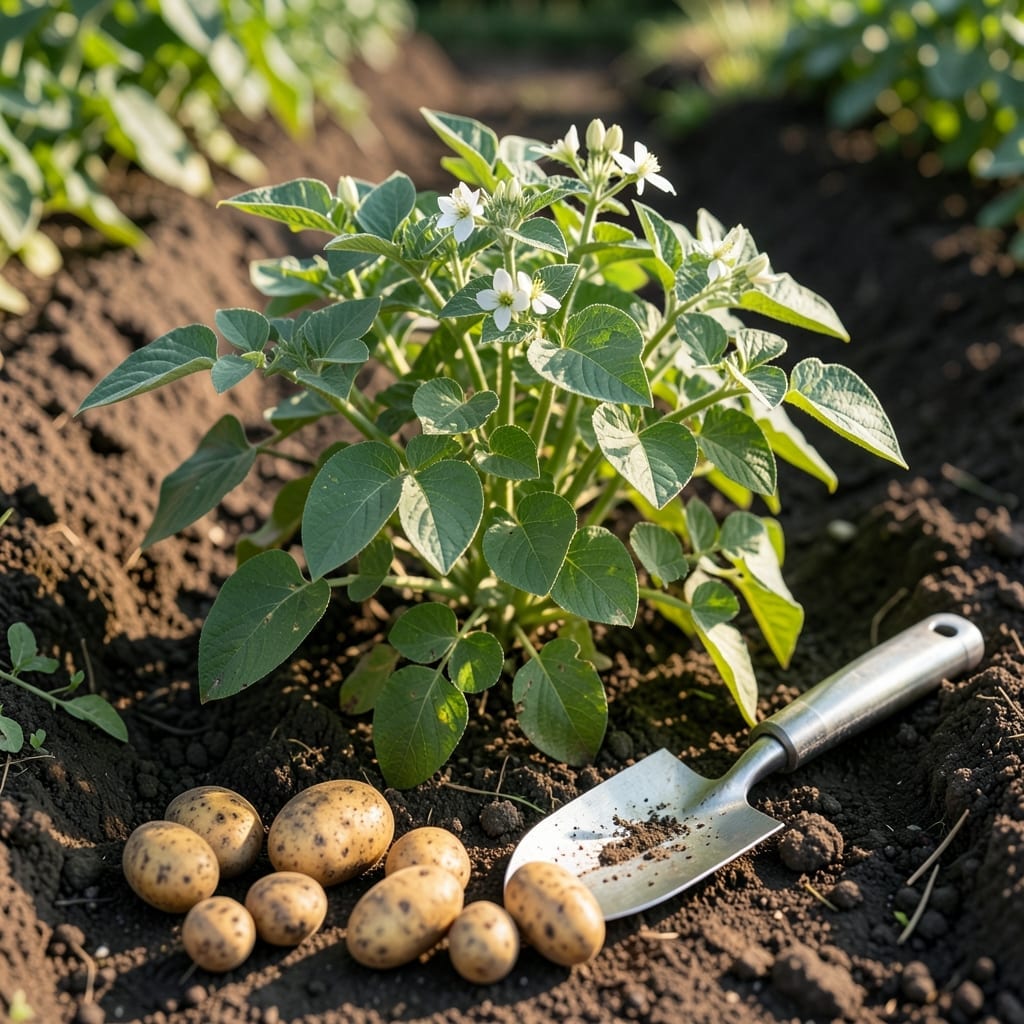
Timing your 🥔 Potato planting in California can mean the difference between a bountiful harvest and a lackluster yield. The Golden State’s diverse climate zones require precise scheduling to maximize growth.
From the cool coastal fogs to the warm inland valleys, each area demands its own approach. I’ve seen firsthand how planting at the right time transforms a garden’s success.
Whether you’re in San Francisco or Sacramento, understanding your zone’s rhythm is the key. These insights will help you align with nature’s timeline.
Let me guide you through the most important windows for planting Potatoes in zones 7-10. You’ll discover when to start for a thriving crop.
California’s diverse USDA zones (7-11) mean planting times vary wildly. In coastal areas, mild winters allow February planting, while inland valleys should wait until March or April to avoid frost damage.
For desert regions like Palm Springs, late fall planting (October-November) works best to escape the summer heat. Always check your local frost dates—this is non-negotiable for tender potato plants.
| Region | Planting Window | Key Consideration |
|---|---|---|
| Coastal | Feb-Apr | Avoid summer fog |
| Inland Valleys | Mar-Apr | Watch for late frosts |
| Desert | Oct-Nov | Beat heat stress |
| Mountains | May-Jun | Wait for soil warmth |
I always recommend using a soil thermometer—potatoes need 45°F+ soil temps to sprout. In San Francisco, you can plant as early as January if using frost blankets for protection.
For Sacramento gardeners, the sweet spot is mid-March after the last frost. Soil prep is critical here—work in 2 inches of compost before planting to improve drainage and fertility.
In Southern California, you get two planting windows: early spring and late fall. The fall crop often yields better as it avoids the summer drought stress that can stunt tuber development.
Remember that seed potatoes need 2-3 weeks to chit (sprout) before planting. I start mine indoors in egg cartons with the eyes facing up—this gives them a head start.
Watering is another key factor. Keep soil moist but not soggy during the first 2 weeks after planting. Once the plants emerge, reduce to 1-2 inches weekly to prevent rot.
For container gardeners, potatoes thrive in 5-gallon buckets or fabric grow bags. Just ensure you have 12+ inches of soil depth and drainage holes to prevent waterlogging.
If you’re in Zone 10 (like San Diego), you can plant year-round, but avoid the hottest months. Yukon Gold and Red Pontiac are my top picks for consistent yields. 🌱
Choosing the right potato variety is just as important as timing. California’s climate supports a range of options, from quick-maturing early varieties to hearty late-season picks.
For cooler coastal zones, I recommend Yukon Gold or Red Pontiac. These handle mild temps and produce reliably. Inland gardeners should try Kennebec or Russet for heat tolerance.
Early varieties like Yukon Gold are perfect if you want a quick harvest. They mature in 70-90 days and do well in cooler spring or fall weather.
Mid-season options such as Red Pontiac offer a balance. They need 80-100 days and adapt well to both coastal and inland conditions.
Late varieties like Russet require 90-120 days but reward you with longer storage potential. These are best for warmer inland areas.
I always remind gardeners to match varieties to their growing season length. In Zone 7, start early; in Zone 10, you can plant almost year-round.
For a steady supply, stagger plantings of early, mid, and late varieties. This way, you’ll enjoy fresh potatoes for months 🌱