
Beautiful Plants For Your Interior
Beautiful Plants For Your Interior
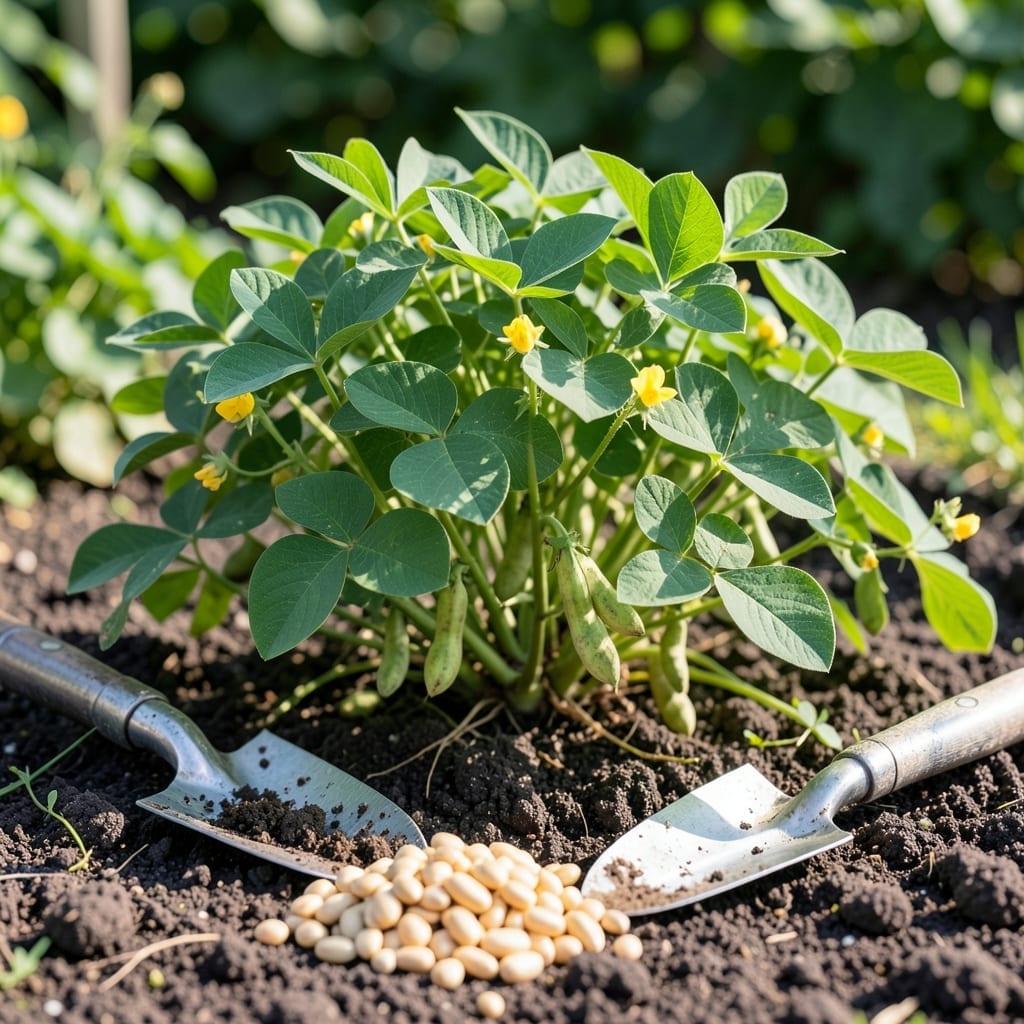
Timing can make or break your peanut harvest in Georgia. The Peperomia’s warm climate offers a long growing season, but plant too early or too late, and you risk losing your entire crop.
For the 🥜 Peanut, spring is the magic season. The soil needs to be warm enough to support germination, and the plants need enough time to mature before the first frost.
In USDA Zone 8a, that sweet spot typically falls between April and May. This window gives your peanuts the best chance to thrive and produce a bountiful yield.
Let me walk you through exactly when and how to plant for the most successful harvest. You’ll be digging up fresh peanuts by fall with these proven strategies.
Georgia’s diverse climate means peanut planting times vary slightly by region. In North Georgia, wait until mid-to-late April when soil temps hit 65°F. This avoids late frost risks that can stunt young plants.
For Central Georgia, aim for early April to early May. The soil warms faster here, and the longer growing season supports runner and Virginia peanut varieties beautifully. ☀️
| Region | Best Planting Window | Soil Temp Target | Variety Recommendation |
| North Georgia | Mid-April to Early May | 65-70°F | Runner, Spanish |
| Central Georgia | Early April to Early May | 65-70°F | Runner, Virginia |
| South Georgia | Late March to Mid-April | 65-70°F | Runner, Valencia |
South Georgia gardeners can start as early as late March. The warmer climate and sandy soils here are perfect for early planting. Just ensure your soil moisture is consistent to support germination.
The 120-day maturity of many peanut varieties means you’ll need to plant early enough for pods to fully develop before fall’s first frost in mid-November. Runner peanuts, the most common in Georgia, typically need this full period.
I always recommend using a soil thermometer to check conditions. Planting when soil is below 65°F often leads to poor germination and weak seedlings. Patience truly pays off with peanuts.
For organic gardeners, consider Spanish peanuts. They mature faster (90-100 days) and handle slightly cooler soils better than other varieties. This can be ideal for North Georgia’s shorter season.
Virginia peanuts, with their larger seeds, need the longest growing season. They’re best suited for Central and South Georgia where the warm weather lasts longer. These varieties often produce the biggest yields when given proper time.
Remember that row spacing matters too. I use 36-inch rows for good air circulation, which helps prevent fungal diseases common in Georgia’s humid summers. This spacing also makes harvesting much easier.
Finally, always rotate your planting areas if possible. Peanuts are legumes that fix nitrogen in the soil, but they shouldn’t follow other legumes in your crop rotation to prevent disease buildup. 🌱
Georgia’s climate gives us a great advantage for growing peanuts, but several key factors determine the perfect planting window. I always check soil temperature first—it needs to be at least 65°F for seeds to germinate properly.
Another critical consideration is the last frost date. In most of Georgia, this falls around March 15, but I recommend waiting until April to be safe, especially in northern regions. Peanuts are sensitive to cold, so patience pays off.
The peanut variety you choose also affects timing. Runner peanuts, the most common in Georgia, typically take 130 days to mature, so I plant them earlier than faster-maturing types like Spanish peanuts.
I monitor soil moisture closely too. Peanuts need consistent moisture but can’t tolerate soggy soil. If we’ve had a wet spring, I’ll delay planting until the soil dries out a bit. This prevents seed rot and ensures strong early growth.
Don’t overlook pest and disease pressure. Planting at the right time helps avoid peak periods for common issues like leaf spot or white mold. I’ve found that mid-April to early May planting often strikes the best balance.
Finally, remember that soil preparation matters just as much as timing. I always test my soil pH, aiming for 5.8-6.2, and add compost for nutrients. With these factors aligned, you’ll set your peanut crop up for success.