
Beautiful Plants For Your Interior
Beautiful Plants For Your Interior
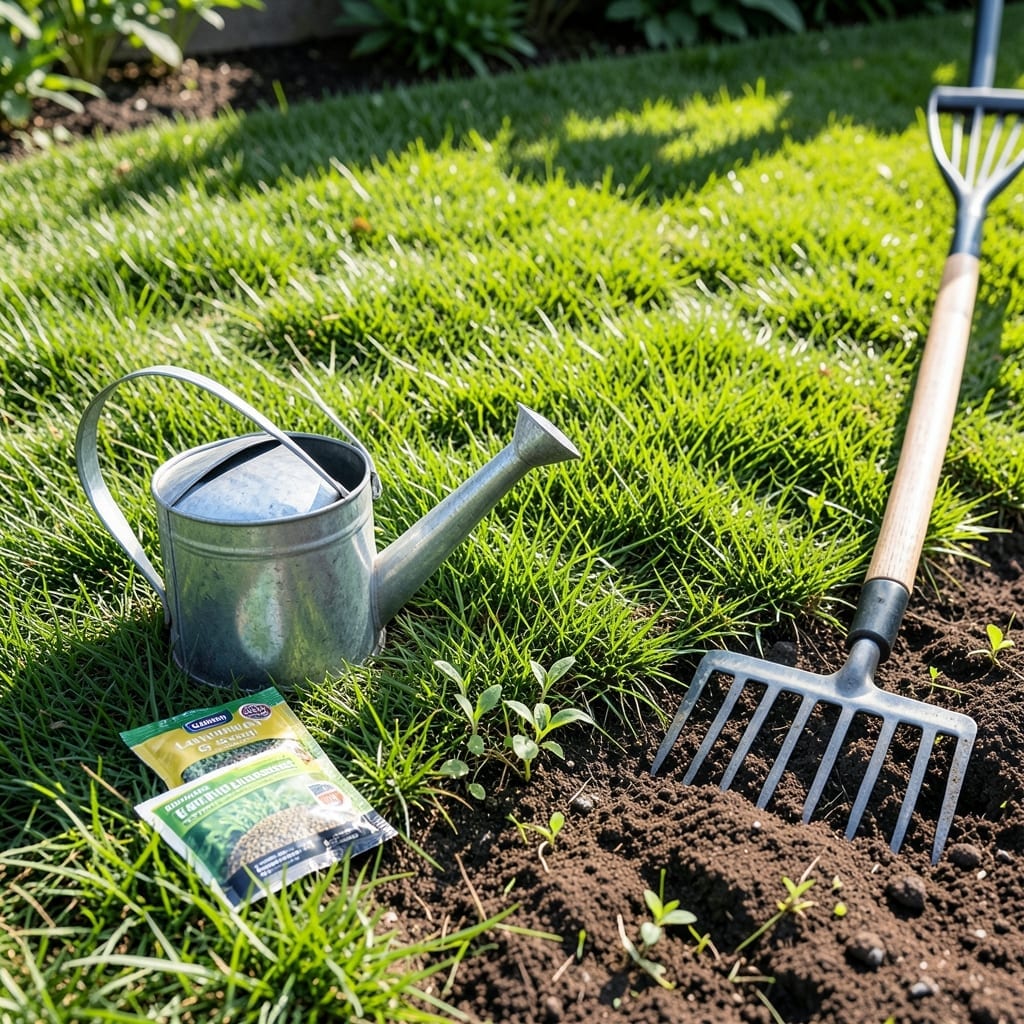
Timing is everything when it comes to planting Grass seed in the fall. Do it right, and you’ll get a lush, resilient lawn that thrives for years.
Miss the window, and you risk poor germination, weak growth, or wasted effort. In zone 6, late August to September is prime time for seeding.
I’ve learned the hard way that soil temperature and frost timing make all the difference. Discover how to align your planting schedule with nature’s rhythm.
Let me walk you through the most important factors to ensure your 🌱 Grass seed establishes strong roots before winter hits.
Fall is the perfect season for planting cool-season grasses like Kentucky bluegrass or fescue. The soil temperature stays warm while air temps cool, creating ideal conditions for root establishment before winter hits.
I always aim for late August to mid-September in most regions. This gives seeds 6-8 weeks to germinate and develop strong roots before the first frost arrives.
| Region | Optimal Planting Window | Soil Temp Range |
|---|---|---|
| Northern US | Late August – Early September | 50-65°F |
| Transition Zone | Early September | 55-70°F |
| Southern US | Mid-September – Early October | 60-75°F |
The soil temperature is the most critical factor. Use a soil thermometer to check – seeds germinate best when soil is consistently between 50-65°F. This range promotes rapid germination while preventing heat stress.
For cool-season grasses, early fall planting offers multiple advantages. The moderate temperatures reduce evaporation, so seeds stay moist. Plus, fewer weeds compete with new grass, and autumn rains often provide natural irrigation.
In USDA Zone 6 and similar climates, I recommend planting 4-6 weeks before the first expected frost. This timeline ensures root systems develop fully before winter dormancy. Check your local frost dates for precision.
If you’re in a warmer climate, you can push planting into October. However, avoid planting too late – seeds need time to establish before cold weather slows growth. Late plantings risk winter kill of tender young grass.
Remember that seed-to-soil contact is crucial. After seeding, lightly rake the area to ensure seeds settle into the soil. A thin layer of straw mulch (about 1/4 inch) helps retain moisture and protect seeds from birds.
For the best results, I always test my soil before planting. A simple pH test can reveal if amendments are needed. Grass prefers a slightly acidic to neutral pH (6.0-7.5). Adjust with lime or sulfur if necessary.
Finally, watering is key. Keep the top inch of soil consistently moist until seeds germinate (usually 7-21 days). Then, gradually reduce frequency while increasing depth to encourage deep root growth.
This timing and care will give you a thick, healthy lawn that greens up beautifully next spring 🌱
Planting grass seed in fall gives your lawn a head start for spring. I always begin with soil prep, aerating compacted areas and removing debris for better seed-to-soil contact.
Next, I select cool-season grass varieties like Kentucky bluegrass or tall fescue, which thrive in fall’s cooler temperatures and retain moisture better.
I use a broadcast spreader for even seed distribution, ensuring I don’t miss spots or overlap too much. This prevents patchy growth and wasted seed.
After seeding, I lightly rake the area to cover seeds with ¼ inch of soil. This protects them from birds and helps retain moisture for faster germination.
Watering is critical—1 inch per week keeps soil moist but not soggy. I water in the early morning to reduce evaporation and prevent fungal issues.
Finally, I apply a starter fertilizer high in phosphorus to encourage root development. This gives my new grass the best chance to establish before winter.
🌱