
Beautiful Plants For Your Interior
Beautiful Plants For Your Interior
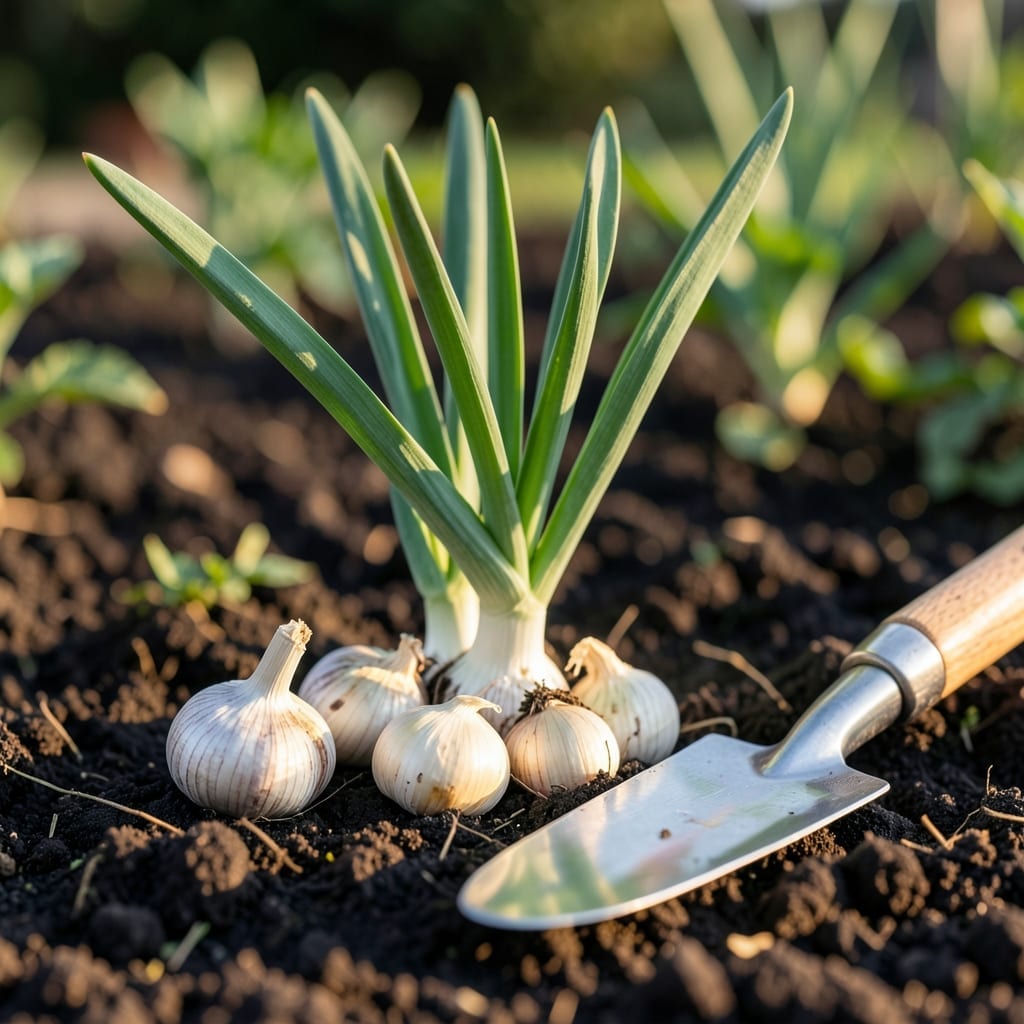
Timing is everything when it comes to planting 🧄 Garlic in Colorado—plant too early or too late, and you risk a poor harvest.
Colorado’s unique climate in zones 5b-7a means you need to be precise. The fall window offers the best conditions for robust root development before winter hits.
I’ve learned that getting this timing right makes all the difference in bulb size and flavor. Whether you’re in Denver or the Western Slope, the approach needs tailoring.
Discover how to nail that perfect planting moment and set yourself up for a bountiful summer harvest. The secrets lie in understanding Colorado’s seasons and soil.
Colorado’s diverse climate means the ideal planting window for garlic varies by region. In the Front Range and Denver metro, mid-September to early November works best, as it allows roots to establish before winter.
For the Western Slope and high-altitude areas, aim for late September to mid-October. The soil temperature should be around 60°F at planting time to encourage root growth before the ground freezes.
| Region | Best Planting Window | Soil Temp Requirement |
|---|---|---|
| Front Range | Mid-Sept to Early Nov | 60°F |
| Western Slope | Late Sept to Mid-Oct | 60°F |
| High Altitude | Late Sept to Mid-Oct | 60°F |
I’ve found that hardneck varieties like Rocambole or Purple Stripe thrive in Colorado’s climate. These types develop strong root systems in fall, which helps them survive winter and produce larger bulbs come summer.
If you’re in Zone 5b, like Fort Collins, plant by mid-October to avoid early frosts. In Zone 7a, such as Pueblo, you can push planting to early November since winters are milder. Always check your local frost dates for precision.
Soil preparation is key. I amend my beds with compost and ensure good drainage to prevent rot. Garlic dislikes soggy soil, especially in Colorado’s clay-heavy areas. A raised bed can help if drainage is poor.
Plant individual cloves 2 inches deep and 6 inches apart, with the pointy end up. This spacing allows bulbs to expand without competition. After planting, I mulch heavily with straw to insulate the soil and retain moisture.
Colorado’s dry climate means you’ll need to water consistently after planting. Aim for 1 inch per week until the ground freezes. In spring, resume watering as growth resumes, but reduce frequency as harvest nears to avoid mold.
One trick I swear by: planting garlic near roses or fruit trees. It naturally deters pests like aphids and Japanese beetles. Plus, its shallow roots won’t compete with deeper-rooted plants for nutrients.
Finally, mark your planting rows with stakes or flags. Colorado’s early snows can cover young shoots, making them hard to locate. This simple step saves time and prevents accidental damage during winter maintenance.
With the right timing and care, your Colorado garlic crop will yield bold, flavorful bulbs ready for harvest next summer. 🌱
Planting garlic in Colorado requires careful timing and preparation. I always start by selecting high-quality seed garlic from a trusted supplier, as store-bought cloves often carry diseases. The ideal planting window is 4-6 weeks before the first hard frost.
Begin by preparing your soil—garlic thrives in well-draining, loose soil with plenty of organic matter. I recommend working in compost or aged manure to boost fertility. Aim for a pH between 6.0 and 7.0 for best results.
After planting, I water lightly to avoid rot but ensure the soil stays moist but not soggy. Colorado’s dry climate means you’ll need to monitor moisture closely, especially in fall and early winter.
A thick mulch layer of 4-6 inches helps insulate the soil and prevents frost heaving, which can push cloves out of the ground. I use straw or shredded leaves for the best results.
In spring, remove mulch gradually as temperatures rise. This allows the soil to warm up and encourages strong shoot growth. Keep the area weed-free to reduce competition for nutrients.
By following these steps, you’ll set your Colorado garlic crop up for success. Consistency in care and timing ensures healthy bulbs come harvest time. ☀️