
Beautiful Plants For Your Interior
Beautiful Plants For Your Interior
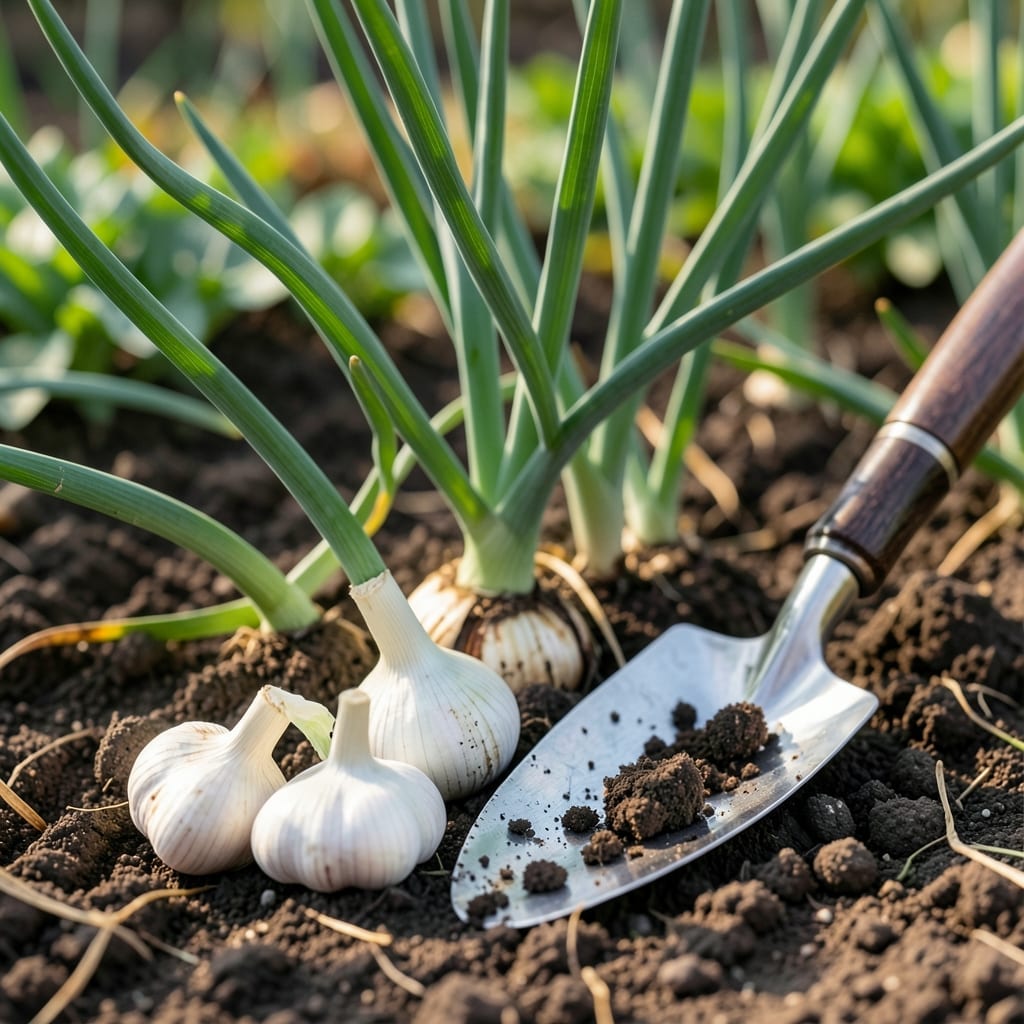
Timing is everything when growing big, flavorful garlic in California. Our state’s diverse climates mean planting at the wrong time can leave you with disappointing, undersized bulbs.
From the foggy coast to the hot Central Valley, fall is the magic season for 🧄 Garlic. The cooler weather gives cloves time to establish roots before winter, setting the stage for robust growth come spring.
I’ve tested various schedules across California’s zones 7a-10b, and what I’ve learned will save you from common mistakes. Whether you’re new to gardening or a seasoned pro, this timing makes all the difference.
Discover the exact window to plant for maximum yield, tailored to your specific region. Let’s dig in and get it right the first time.
California’s diverse USDA zones 7a-10b mean garlic planting times vary widely. In cooler Northern California, I plant cloves in October for strong root development before winter dormancy.
The Central Valley offers more flexibility, but mid-October to November remains ideal. This timing ensures cloves establish roots before soil temperatures drop.
| Region | Best Planting Time | Notes |
|---|---|---|
| Northern California | October | Cool winters, early planting |
| Central Valley | Mid-October to November | Moderate climate, flexible window |
| Southern California | November to December | Warmer winters, later planting |
| Coastal Areas | October to November | Mild climate, consistent timing |
In Southern California, I wait until November or December. The milder winters here allow for later planting, but avoid waiting too long or cloves may not establish before spring.
For coastal regions, the fog and moderate temperatures make October to November perfect. The consistent moisture helps cloves root without stress.
I’ve found that soil temperature is key—aim for 60°F at planting. Use a soil thermometer to check, as air temperature can be misleading.
If you’re in zone 10b, like San Diego, you can even plant in early December. The lack of hard freezes gives you more flexibility, but don’t delay past mid-December.
Remember, garlic needs chill hours to form bulbs. In warmer areas, choose softneck varieties like ‘Silverskin’ which require fewer chill hours than hardnecks.
For all regions, well-draining soil is non-negotiable. Garlic hates soggy roots, so amend heavy clay soils with compost before planting.
I always mark my planting dates on a calendar. This helps me track progress and adjust for next year based on weather patterns.
Finally, mulch with straw or leaves after planting to insulate cloves. This is especially important in colder zones to prevent winter heaving.
By following these region-specific schedules, you’ll set your garlic up for success and enjoy those plump, flavorful bulbs come harvest time. ✂️
California’s well-draining soil is key to growing plump garlic bulbs. I always start by amending the bed with compost or aged manure to boost fertility. Garlic thrives in loose soil with a pH between 6.0-7.0, so test yours first.
For best results, plant cloves in full sun where they’ll get at least 6 hours of light daily. In hotter areas like the Central Valley, a bit of afternoon shade can prevent heat stress during peak summer.
In dry climates like Southern California, I recommend drip irrigation to keep soil consistently moist but not soggy. Garlic hates waterlogged roots, so ensure your beds have good drainage.
After planting, mulch with straw to protect cloves from temperature swings. This also suppresses weeds, which can compete with young garlic for nutrients. In coastal areas, foggy mornings provide natural moisture.
Remember, bigger cloves produce bigger bulbs. I always select the largest, healthiest cloves from my previous harvest for planting. This gives the next crop a strong start.
Finally, mark your rows to avoid disturbing them during winter weeding. With proper soil prep and care, you’ll be rewarded with hearty garlic bulbs by early summer. 🌱