
Beautiful Plants For Your Interior
Beautiful Plants For Your Interior
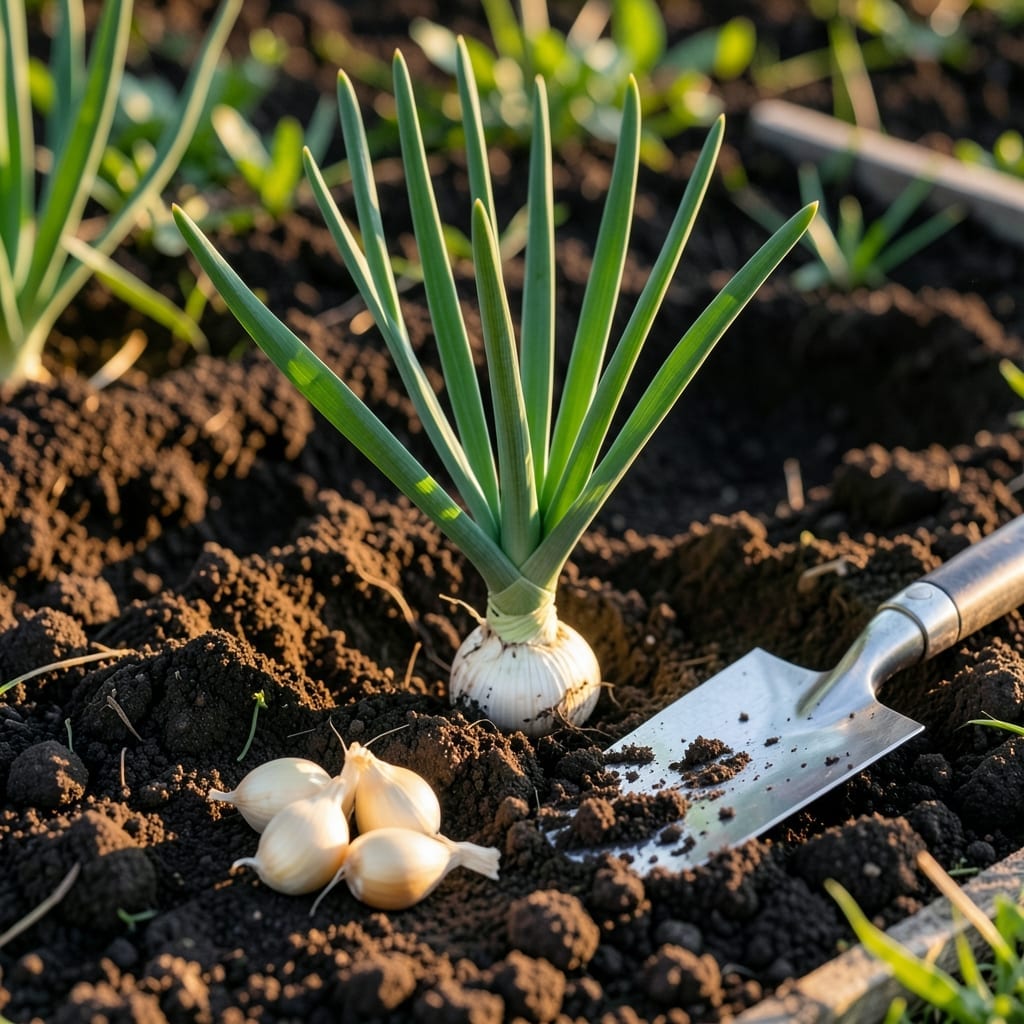
Timing is everything when planting Garlic in Alabama’s warm climate. Plant too early or too late, and you risk poor bulbs or wasted effort.
Zone 8a gardeners know our mild winters offer a unique advantage for fall planting. The 🧄 thrives when given time to establish roots before the cold sets in.
Discover why October through November is the sweet spot for planting. This window ensures your crop gets the chilling hours it needs for robust bulb development.
I’ll share the exact timing and techniques that have worked for me. You’ll learn how to prepare your soil and select the best varieties for Alabama’s conditions.
In Alabama’s Zone 8, timing your garlic planting is crucial for healthy bulb development. The ideal window is mid-October to November, when soil temps hover around 60°F. This gives cloves time to root before winter dormancy.
Our mild winters mean fall planting is non-negotiable. Spring planting often yields smaller bulbs since garlic needs a cold period to form cloves properly. Aim to plant 4-6 weeks before your first hard frost.
| Planting Factor | Zone 8 Specs |
|---|---|
| Optimal Months | October-November |
| Soil Temp | 55-60°F at 2″ depth |
| Sun Needs | Full sun (6+ hours) |
| Soil pH | 6.0-7.0 |
I’ve found hardneck varieties like German White or Rocambole perform best in Alabama. Their larger cloves and complex flavors thrive in our climate. Softneck types work too but may produce smaller bulbs.
Soil preparation can’t be overlooked. Work in 2-3 inches of compost and ensure good drainage. Garlic hates soggy roots, so raised beds are ideal if your soil is heavy clay.
Plant individual cloves pointy-end up, about 2 inches deep and 6 inches apart. This spacing gives each plant room to develop a full-sized bulb without competition.
A thick mulch layer of straw or leaves helps regulate soil temperature. In Alabama, this protects against temperature swings that can heave cloves out of the ground.
Remember, watering consistency is key after planting. Keep soil evenly moist but not waterlogged. Reduce watering as winter approaches and stop completely once the ground freezes.
By late February, you should see green shoots emerging. This is normal and won’t harm the plants. Resume watering as the weather warms, and prepare for a May or June harvest.
I always mark my garlic rows clearly. It’s easy to forget where you planted them, especially since they’ll be dormant all winter. A simple wooden stake or plant marker does the trick.
This fall planting method consistently gives me plump, flavorful bulbs year after year. Stick to the October-November window, and you’ll be rewarded with a bountiful harvest next summer 🌱
Planting garlic in Alabama starts with soil preparation. I always loosen the soil to 12 inches deep and mix in 2-3 inches of compost for nutrients and drainage. This prevents waterlogging, which garlic despises.
Select the largest, healthiest cloves from your seed garlic. Smaller cloves often produce undersized bulbs. Break apart the bulb just before planting to avoid drying out the cloves.
I plant my garlic 6 inches apart in rows 12 inches apart. This spacing allows for good air circulation and reduces disease risk. Crowding can lead to smaller bulbs and fungal issues.
A 2-4 inch mulch layer is essential in Alabama. It protects cloves from temperature fluctuations that can push them out of the soil. Straw works best as it doesn’t compact like leaves can.
After planting, water deeply once to help roots establish. Then reduce watering as winter approaches. In Alabama’s mild climate, you might only need to water every 2-3 weeks during winter dormancy.
By following these steps, I consistently get large, healthy garlic bulbs each harvest season. The key is in the fall preparation and proper spacing from the start 🌱