
Beautiful Plants For Your Interior
Beautiful Plants For Your Interior
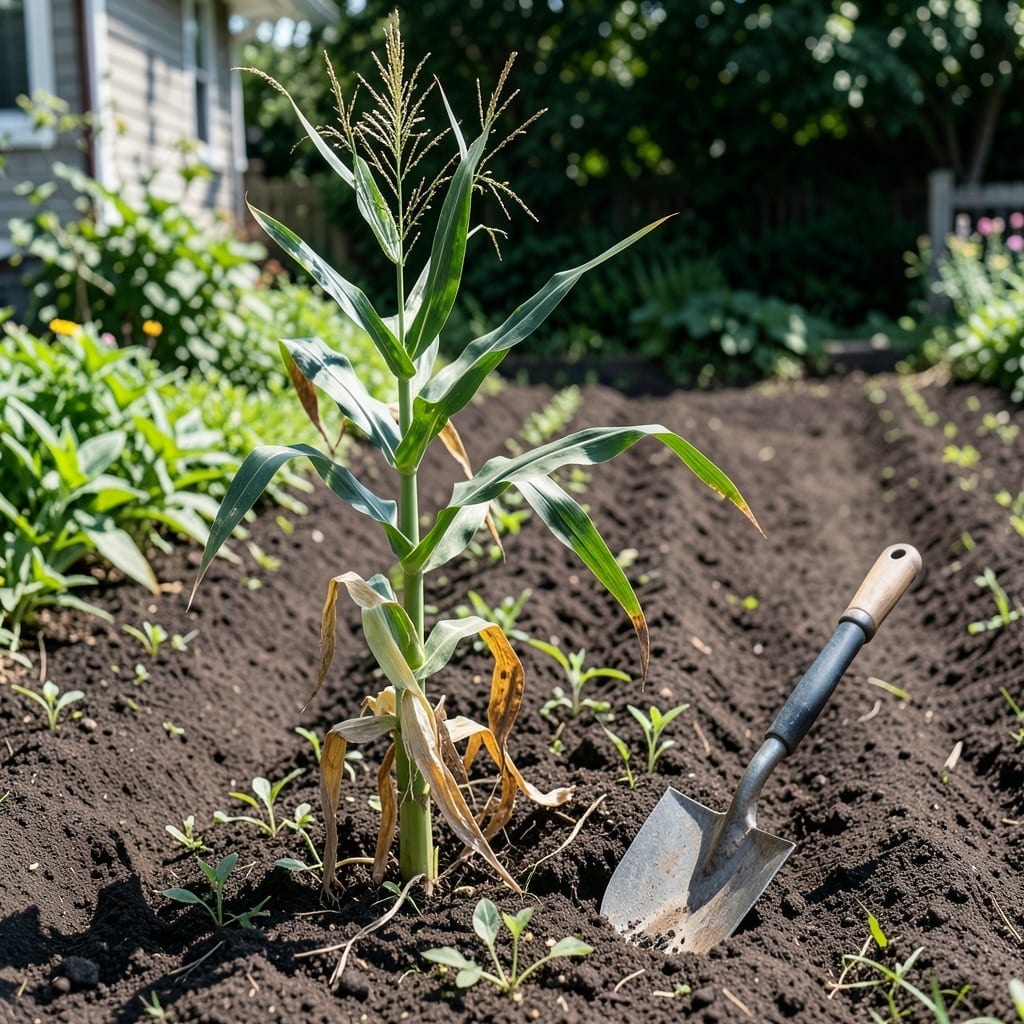
Timing is everything when planting Corn in South Carolina—plant too early and frost may ruin your crop, too late and the summer heat can stunt growth.
In Zone 8a-8b, getting the timing right means the difference between a thriving harvest and a disappointing season. I’ve seen firsthand how spring planting windows can make or break your yield.
The sweet spot for 🌽 is when soil warms up, but knowing the exact window takes more than just guesswork. There’s a science to it that ensures your plants start strong.
Let me walk you through the most important factors for planting success in this region. You’ll discover how to align your efforts with nature’s rhythm for the best results.
In South Carolina’s Zone 8, timing your corn planting is critical for success. The last frost typically hits around April 15, but soil temperature is the real deciding factor. I always wait until the soil reaches at least 60°F for reliable germination.
For most of the state, mid-April to early June is the sweet spot. Coastal areas can start a bit earlier, while the Upstate may need to wait until late April. Early varieties can go in first, followed by mid and late-season types.
| Region | Planting Window | Soil Temp |
|---|---|---|
| Coastal | March 25 – May 15 | 60-65°F |
| Piedmont | April 10 – June 1 | 60-65°F |
| Upstate | April 20 – June 10 | 60-65°F |
I’ve found that early April plantings in the Lowcountry often thrive, but I always check the 10-day forecast first. A sudden cold snap can set back young seedlings. Mid-May is my go-to time for the Midlands, balancing warmth and moisture.
For the best results, plant in blocks of at least 4 rows rather than single long rows. This improves pollination rates significantly. Corn is wind-pollinated, so proper spacing and arrangement are key to full ears.
Don’t forget to consider corn variety. Early types like ‘Early Sunglow’ mature in 60 days, while main crop varieties like ‘Silver Queen’ need 80-90 days. Match your planting date to the days to maturity.
Soil preparation matters too. I test my soil pH—corn prefers 6.0-6.8. If it’s too acidic, I add lime in early spring. Well-draining soil prevents root rot, which can be a problem in our humid climate.
Remember that successive plantings can extend your harvest. I plant a new batch every 2-3 weeks until early June. This way, I’m not overwhelmed with too much corn at once and can enjoy fresh ears all summer.
Monitor soil moisture carefully after planting. Corn seeds need consistent moisture to germinate, but soggy soil can cause them to rot. I use mulch to retain moisture and suppress weeds.
Finally, keep an eye on the weather patterns. South Carolina’s summers can be unpredictable. If we’re in for a particularly hot, dry spell, I might delay planting until conditions improve.
With the right timing and care, you’ll be rewarded with sweet, juicy corn that’s perfect for summer meals straight from the garden
🌱Preparing the soil properly is half the battle when planting corn in South Carolina. I always start by testing my soil’s pH level—it should be between 6.0 and 6.8 for best results.
Corn thrives in well-draining soil enriched with organic matter. I mix in aged compost or manure a few weeks before planting to ensure nutrient-rich ground. This step boosts root development and overall plant health.
When planting, I space my seeds 12-18 inches apart in rows that are 30-36 inches from each other. This gives each stalk enough room to grow and access sunlight.
Planting depth is crucial—1 to 2 inches deep is ideal. Any deeper, and the seeds may struggle to emerge. I also plant in blocks of at least 3 rows to ensure proper pollination.
After planting, I water deeply to help the soil settle around the seeds. Consistent moisture is key, especially during the tasseling stage, when ears begin to form. ☀️
For organic gardeners, I recommend using compost tea as a natural fertilizer. For conventional methods, a balanced 10-10-10 fertilizer works well, applied at planting and again when plants are knee-high. 🌱