
Beautiful Plants For Your Interior
Beautiful Plants For Your Interior
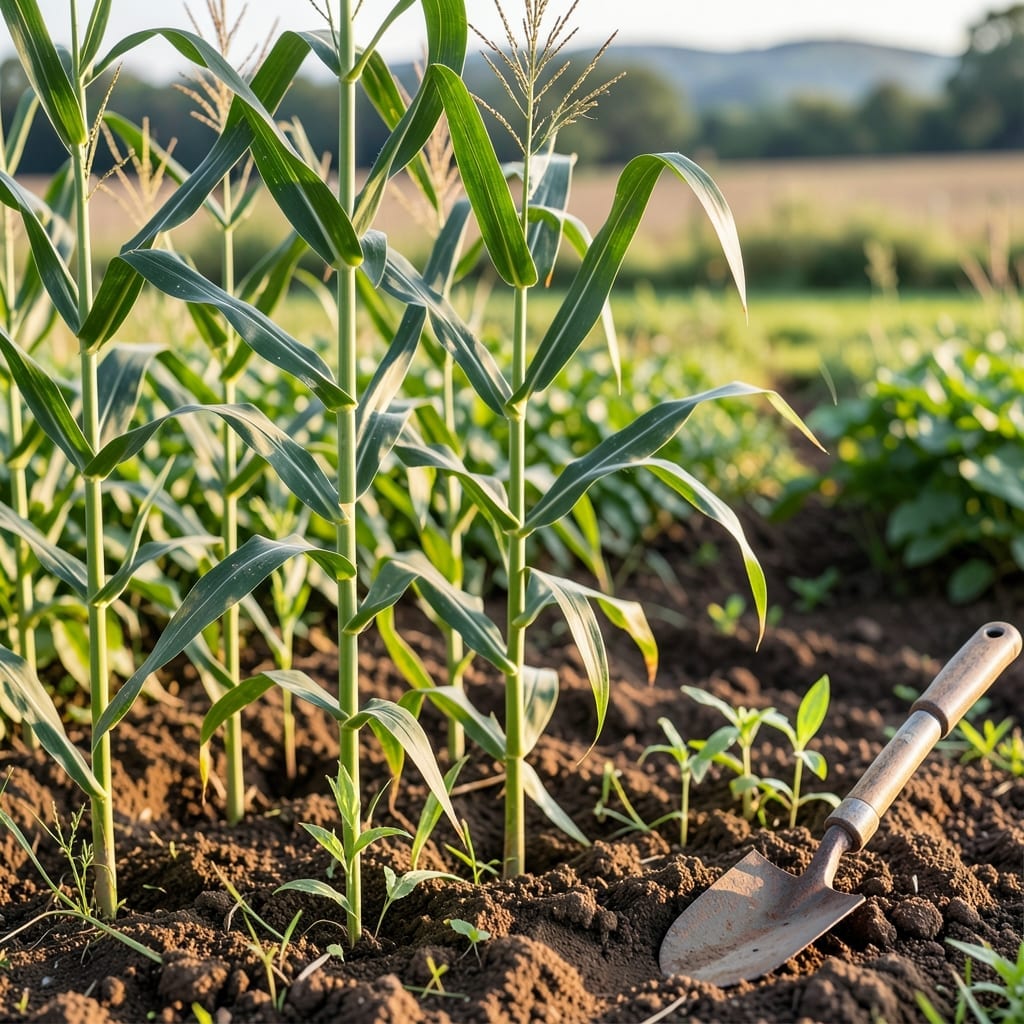
Planting corn in Pennsylvania at the right time can mean the difference between a bountiful harvest and a disappointing yield. Knowing your local frost dates and soil conditions is the key.
As a gardener in zones 6a-7b, I’ve learned that timing is everything with 🌽 corn. The window between April and June offers the most reliable conditions for germination and growth.
But it’s not just about the calendar. Soil temperature must reach at least 60°F for seeds to thrive, and Pennsylvania’s spring weather can be unpredictable.
Let me walk you through how to pinpoint the perfect planting moment for your location. We’ll cover everything from frost dates to soil prep so you can maximize your harvest.
Timing your corn planting in Pennsylvania depends heavily on your USDA hardiness zone. The state spans zones 4 through 7, with most gardeners in zones 5 and 6. Each zone has unique frost dates that dictate the best planting window.
I always recommend waiting until soil temperatures reach at least 60°F for corn seeds to germinate properly. Planting too early in cold soil can lead to poor germination or stunted growth, even if air temperatures seem warm enough.
| Zone | Last Frost Date | Planting Window | Soil Temp Requirement |
|---|---|---|---|
| 4 | May 15 – June 1 | Late May to early June | 60°F minimum |
| 5 | April 15 – May 1 | Mid-April to mid-May | 60°F minimum |
| 6 | April 1 – April 15 | Early April to late April | 60°F minimum |
In Zone 6, which includes cities like Philadelphia and Lancaster, I start planting as early as mid-April if the weather cooperates. But I always check the 10-day forecast for any late frosts that might sneak in.
For Zone 5 gardeners in areas like Pittsburgh or Harrisburg, the sweet spot is usually late April to early May. The soil warms up a bit later here, so patience is key to avoid cold-related issues.
If you’re in Zone 4, such as parts of the Pocono Mountains, wait until late May or even early June. The shorter growing season means every day counts, so don’t rush it.
I’ve found that using a soil thermometer takes the guesswork out of planting. Even if the calendar says it’s time, the soil might still be too cold. Aim for consistent 60°F at a 2-inch depth for at least 3 consecutive days.
Another tip: corn loves heat. If you’re eager to get a head start, consider using black plastic mulch to warm the soil faster. This can give you a 1-2 week advantage in cooler zones.
Remember, corn is wind-pollinated, so planting in blocks of at least 4 rows rather than a single long row improves pollination success. This is especially important in smaller gardens where space might be limited.
Finally, keep an eye on the extended forecast. A late frost can set back young plants, so I always have frost blankets ready just in case. It’s better to wait a few extra days than to lose your crop to an unexpected cold snap.
With these timing tips, you’ll be well on your way to a successful corn harvest in Pennsylvania 🌱
Preparing your Pennsylvania soil for early corn planting can give your crop a strong start. I always begin by testing my soil pH, aiming for a slightly acidic range of 6.0 to 6.8 for optimal growth.
A soil test kit is an inexpensive way to check this at home. If the pH is too low, I add lime to raise it. If it’s too high, sulfur can help lower it. This step ensures your corn can absorb nutrients effectively.
I also recommend amending your soil with plenty of organic matter, like well-rotted compost or aged manure. Corn is a heavy feeder, so rich soil helps it thrive. Work the compost into the top 6-8 inches of soil for best results.
Another trick I use is pre-warming the soil with clear plastic a few weeks before planting. This solarizes the soil, killing weeds and warming it up faster. Just remove the plastic before planting to avoid baking your seeds.
Don’t forget about moisture levels. Corn needs consistent watering, especially during germination. I make sure my soil is well-draining but also retains enough moisture for those critical early weeks.
Finally, I always mark my planting rows in advance. Corn does best when planted in blocks of short rows rather than one long row. This setup improves wind pollination, which is essential for a good harvest.
With these prep steps, your soil will be ready for healthy corn growth 🌱