
Beautiful Plants For Your Interior
Beautiful Plants For Your Interior
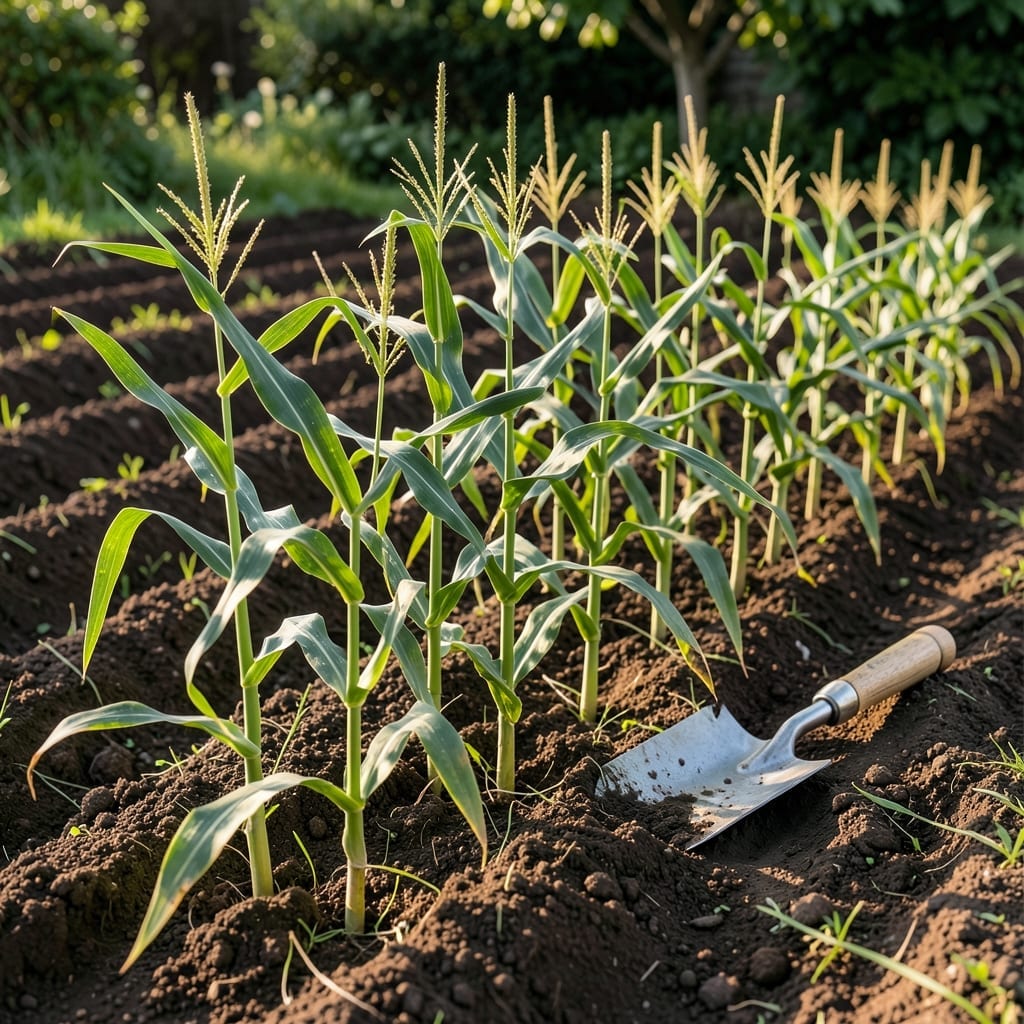
Timing is everything when planting Corn in Oregon. Whether you’re in the lush Willamette Valley or the high desert of Eastern Oregon, getting it right means the difference between a bountiful harvest and disappointment.
The secret lies in understanding your local climate and soil conditions. In zones 7b-9a, the window is narrow but rewarding if you hit it just right.
I’ve learned through experience that rushing the process rarely pays off. Patience and preparation are your best allies when working with Oregon’s diverse microclimates.
Let me walk you through how to nail that perfect planting moment for your 🌽 crop, ensuring sweet, plump ears come harvest time.
In Oregon, corn planting timing varies dramatically by region. Western Oregon, with its mild, wet winters, allows for earlier planting than the high desert of Eastern Oregon. The key is soil temperature—it must reach at least 55°F for seeds to germinate properly.
Willamette Valley gardeners can often start as early as mid-April, while areas like Bend or Medford may need to wait until late May or even early June. Always check your local frost dates to avoid late spring cold snaps.
| Region | Planting Window | Soil Temp | Notes |
|---|---|---|---|
| Willamette Valley | Mid-April to May | 55°F+ | Early start possible |
| Portland | Late April to May | 55°F+ | Watch for late frosts |
| Eastern Oregon | Late May to June | 60°F+ | Shorter season, warmer soil |
| Southern Oregon | May to early June | 55°F+ | Medford: heat-tolerant varieties |
| Coastal Areas | Late April to May | 55°F+ | Cooler, use fast-maturing types |
I always recommend using a soil thermometer to confirm conditions. Corn seeds planted in cold soil may rot or fail to sprout, wasting your effort. In Eastern Oregon, the shorter growing season means choosing early-maturing varieties is critical. ☀️
In Portland and the Willamette Valley, the last average frost is around April 15. This gives you a good window to aim for late April planting. However, if spring is unseasonably cool, it’s better to wait than risk poor germination.
Southern Oregon, including Medford, has a longer growing season but can experience heat spikes. Planting in May helps avoid both late frosts and early summer drought stress. Drip irrigation is a lifesaver here.
For Eastern Oregon, like Bend, the high desert climate means colder nights and a later last frost. I’ve found that early June is the sweet spot, giving plants enough warmth to thrive before fall’s first frost.
Remember, corn is wind-pollinated, so planting in blocks of at least 4 rows ensures better pollination. Spacing should be 12-18 inches apart in rows 30-36 inches apart. This setup maximizes yield and supports strong stalk growth. 🌱
If you’re unsure about your microclimate, talk to local gardeners or check with your county extension office. They often have hyper-local advice that can make or break your corn crop. I’ve learned some of my best tips this way!
Finally, always keep an eye on the 10-day forecast before planting. A sudden cold snap can set you back weeks, but a little patience ensures your corn plants start strong and stay healthy. 🌿
Preparing your Oregon soil for corn starts with testing. I always recommend a soil pH test first—corn thrives in 6.0-6.8 pH ranges. Amend with organic compost to boost fertility.
For best results, work the soil 8-12 inches deep and remove any debris. This ensures good drainage and root penetration, which corn needs to grow tall and strong.
Choosing the right corn variety is crucial in Oregon. I prefer early-maturing types like ‘Golden Bantam’ or ‘Early Sunglow’—they handle our shorter growing season well.
For cooler areas like Bend, try ‘Quickie’ which matures in just 65 days. In warmer zones like Medford, ‘Silver Queen’ does beautifully with its 92-day timeline.
Don’t forget companion planting. I’ve had great success pairing corn with beans (natural nitrogen fixers) and squash to deter pests. Just keep them 12-18 inches apart.
Remember, seed spacing matters—plant seeds 1 inch deep and 4-6 inches apart in rows 30-36 inches apart. This gives each stalk enough room to thrive without competing.
With these prep steps, you’ll set your Oregon corn up for strong growth and a sweet harvest come summer 🌱