
Beautiful Plants For Your Interior
Beautiful Plants For Your Interior
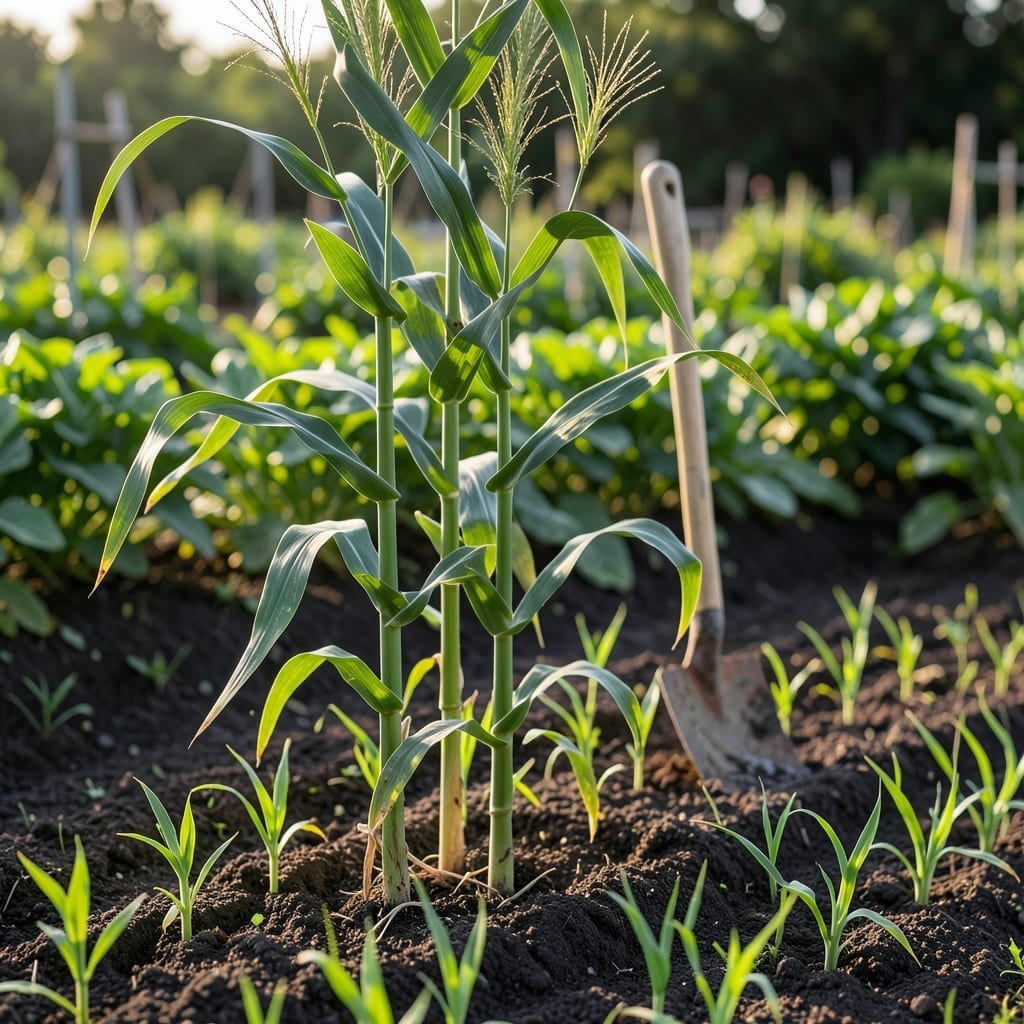
Timing your 🌽 corn planting in Kansas can make or break your harvest. I’ve seen gardeners struggle with disappointing yields simply because they missed the ideal window.
In our state’s 5b-6a zones, the sweet spot isn’t just about calendar dates—it’s about soil warmth and frost risks. The difference between success and struggle often comes down to a few critical weeks in spring.
After years of testing and adjusting, I’ve pinpointed the exact timing that works best for Kansas conditions. It’s not just about tradition—it’s about science and local climate patterns.
Let me share the precise approach that will give your corn the strongest start. You’ll learn how to read the signs that nature gives us right before planting season.
In Kansas, planting corn isn’t a one-size-fits-all approach. Our state spans USDA zones 5b-6a, meaning planting windows vary from east to west. I’ve found that timing is everything when it comes to avoiding late frosts and ensuring warm soil.
The magic number for soil temperature is 60°F at a 2-inch depth. Planting too early in cold soil can stunt growth or cause seeds to rot. In eastern Kansas, this typically happens in mid-April, while western regions may need to wait until early May.
| Region | Planting Window | Soil Temp |
|---|---|---|
| Eastern Kansas | April 15-30 | 60°F+ |
| Central Kansas | April 20-May 5 | 60°F+ |
| Western Kansas | May 1-15 | 60°F+ |
For early-season varieties, you can push the envelope by a week or two. These mature faster and can handle slightly cooler conditions. But I always recommend using a soil thermometer to be sure—don’t guess with your corn crop.
Late frosts are a real concern in Kansas. Our last frost date ranges from April 15 in the southeast to May 10 in the northwest. Planting before this date risks losing your entire crop to a surprise cold snap.
If you’re growing sweet corn, aim for the earlier side of these windows. It’s more sensitive to cold than field corn. For field corn, you can wait a bit longer for optimal conditions.
I’ve noticed that raised beds warm up faster than in-ground soil. If you’re using them, you might plant 7-10 days earlier than the dates above. Just
Weather patterns can shift these dates. In a warm spring, I’ve successfully planted as early as April 10 in eastern Kansas. But in cool, wet springs, I’ve had to wait until May 20 in western areas.
Always check your local weather forecast before planting. A week of cold, rainy weather after planting can set your corn back significantly. I use the Kansas Mesonet for the most accurate soil temperature data.
Remember, these are guidelines, not rules set in stone. Your specific microclimate might allow for slight adjustments. The key is to watch both the calendar and the conditions.
With proper timing, you’ll see strong germination within 5-7 days and healthy plants ready for harvest in about 80-100 days, depending on the variety. ☀️
Planting corn in Kansas isn’t just about picking a date. I’ve learned that soil temperature is the most critical factor—it needs to be at least 50°F for seeds to germinate properly.
But that’s just the start. Air temperature trends and soil moisture also play huge roles in determining when to plant. Even the corn variety you choose affects timing.
I always check local weather forecasts for late frosts. Planting too early can mean seed rot if the soil is cold and wet. Pest pressure is another consideration—some insects are more active early in the season.
In eastern Kansas, where it’s a bit more humid, I might plant a week earlier than in the drier western regions. The microclimate of your specific garden spot can make a surprising difference.
For early-season varieties, I aim for late April. For mid-season, early May works well. Late-season corn can go in up to mid-May in most areas.
Remember, these are guidelines. I always test soil temperature with a simple thermometer. When in doubt, wait a few more days—it’s better than risking a failed crop.
☀️