
Beautiful Plants For Your Interior
Beautiful Plants For Your Interior
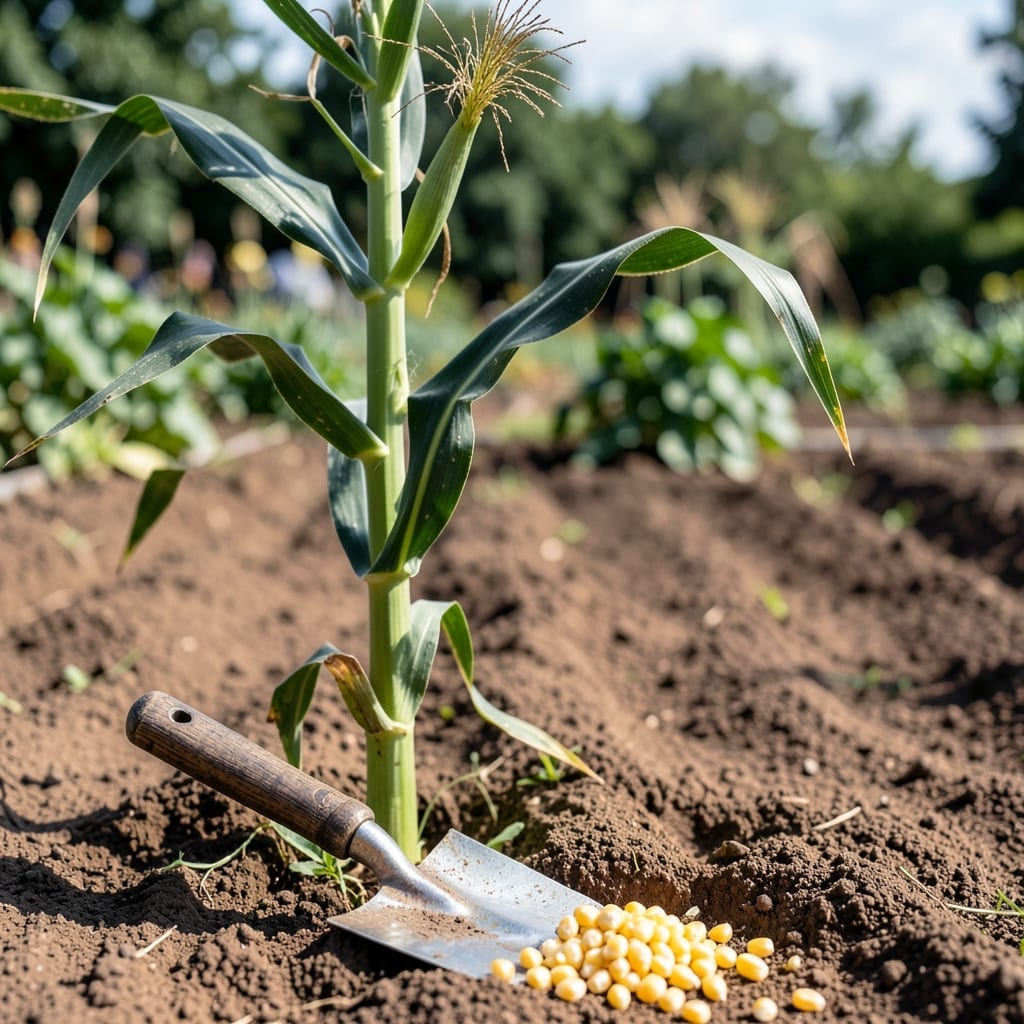
Timing is everything when planting Corn in Colorado—plant too early, and frost can ruin your crop; plant too late, and you’ll miss the sweetest harvest window.
The Centennial State’s unpredictable weather means your planting schedule needs precision. I’ve seen gardeners lose entire crops by jumping the gun or waiting too long.
For zones 5b-7a, the magic happens between May and June, when soil temps hit that 60°F sweet spot. That’s your green light for success.
Discover the exact approach to nail your planting dates and set the stage for a bountiful 🌽 harvest this summer.
Colorado’s diverse climate means planting dates for corn vary by region. In the Front Range, I aim for mid-May to early June, after the last frost date of May 15. This ensures the soil has warmed to at least 60°F, which is critical for germination.
The Western Slope has a milder climate, so I start planting early to mid-May. Here, the last frost typically occurs around April 15, giving corn a longer growing season. However, I always check the soil temperature to be sure.
| Region | Planting Window | Last Frost Date |
|---|---|---|
| Front Range | Mid-May to early June | May 15 |
| Western Slope | Early to mid-May | April 15 |
| High Plains | Late May to early June | May 20 |
For the High Plains, I wait until late May to early June because this area experiences late frosts and cooler spring temperatures. The last frost date here is around May 20, so patience is key to avoid stunted growth.
No matter the region, I always test soil temperature with a thermometer. Corn seeds won’t germinate well in cold soil, and planting too early can lead to poor stands. I also watch the 10-day forecast to avoid unexpected cold snaps.
I’ve found that sweet corn varieties like ‘Golden Bantam’ or ‘Peaches and Cream’ thrive in Colorado’s conditions. These typically take 80-100 days to mature, so timing your planting ensures a harvest before the first frost in October.
If you’re in a higher elevation area, such as the Rocky Mountains, consider short-season varieties that mature in 60-70 days. This gives you a better chance of harvesting before the growing season ends. I’ve had success with ‘Early Sunglow’ in these conditions.
Remember, wind protection is crucial in Colorado. I plant corn in blocks rather than single rows to improve pollination and reduce wind damage. This also helps the plants support each other as they grow taller.
Finally, I always mulch around the base of my corn plants to retain moisture and suppress weeds. Colorado’s dry climate means consistent watering is essential, especially during the pollination stage. I aim for 1-2 inches of water per week for optimal growth.
By following these regional guidelines and tips, I’ve consistently enjoyed healthy corn harvests in Colorado. The key is understanding your local climate and adjusting your planting schedule accordingly 🌱
I always start with a soil test to check pH and nutrient levels. Corn thrives in slightly acidic soil (pH 6.0-6.8). Colorado’s clay-heavy soils often need organic matter to improve drainage. 🌱
Next, I loosen the soil to 12 inches deep, breaking up compacted areas. This helps corn roots penetrate easily. I also remove rocks and debris that could hinder growth. 🌿
I mix in 2-3 inches of compost to boost fertility. For clay soil, I add coarse sand to improve drainage. Sandy soils may need extra organic matter to retain moisture. ☀️
Raised beds are great for Colorado’s variable soil. They warm up faster in spring and allow better control over soil conditions. I also ensure proper spacing for air circulation.
Before planting, I water the soil thoroughly. This settles the bed and ensures seeds have immediate moisture. I avoid planting in soggy soil, as it can cause seed rot.
Finally, I mark rows with string lines for straight planting. Corn grows best in blocks of 3-4 rows for proper pollination. This setup maximizes yield and wind protection. 🌾