
Beautiful Plants For Your Interior
Beautiful Plants For Your Interior
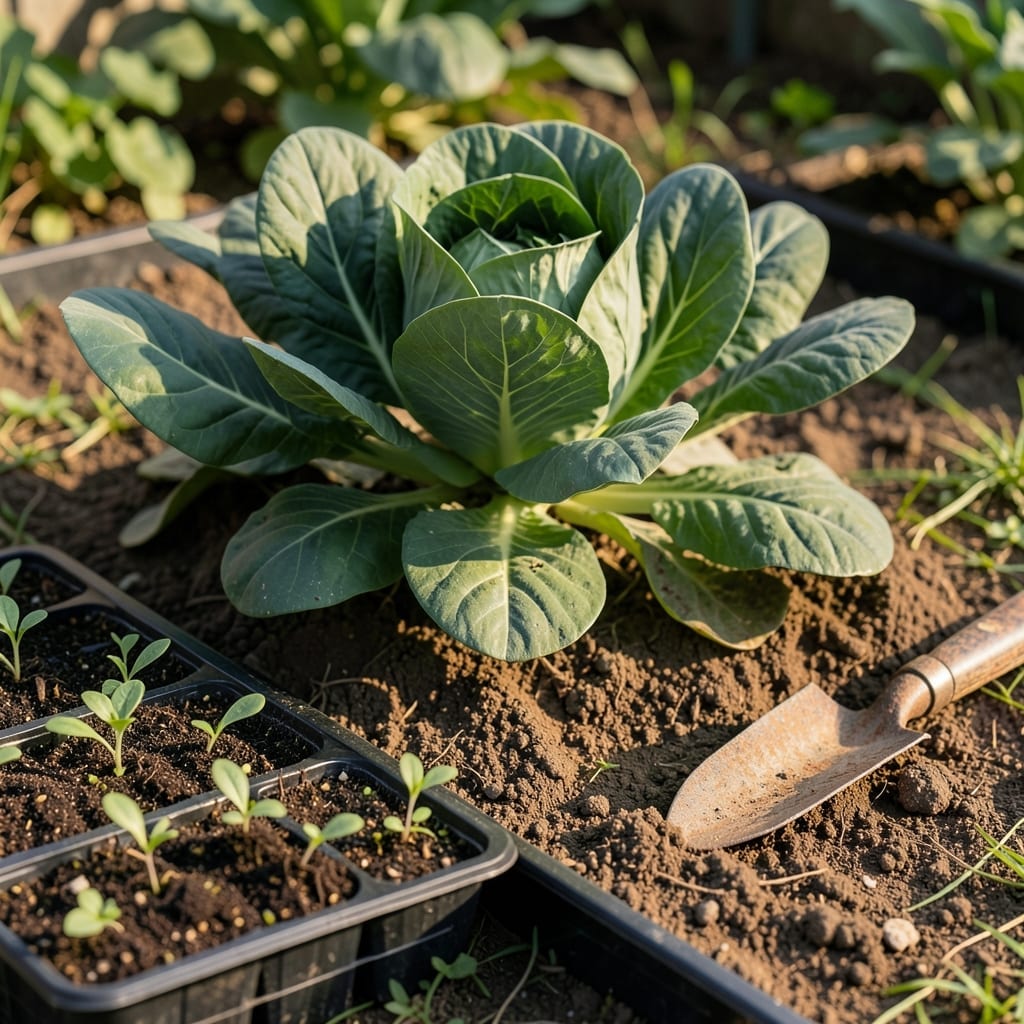
Timing is everything when planting Collards 🥬 in North Carolina—plant too early or too late, and you risk stunted growth or bolted greens.
This guide reveals the exact windows for each growing zone in the state so you can harvest tender, flavorful greens all season long. Whether you’re in the mountains or along the coast, timing your planting right makes all the difference.
I’ll walk you through the spring and fall planting schedules that work best for zones 7b-8a. You’ll discover how to align your planting with frost dates and soil temperatures for maximum success.
By the end, you’ll know precisely when to get those seeds in the ground for a thriving Collards crop that keeps giving throughout the growing season.
North Carolina spans USDA zones 6a to 8b, giving gardeners multiple planting windows. I’ve found that collards thrive in cool weather, so timing is key to avoid heat stress or frost damage. Each region has distinct spring and fall planting periods tailored to its climate.
The Piedmont region (zones 7a-7b) allows for early spring planting starting in late February, while the Coastal Plain (zone 8b) can begin even earlier. For fall crops, planting 6-8 weeks before the first frost ensures robust growth before winter.
| Region | USDA Zone | Spring Planting | Fall Planting |
|---|---|---|---|
| Mountains | 6a-7a | March 15 – April 15 | July 15 – August 15 |
| Piedmont | 7a-7b | February 15 – March 30 | August 1 – September 1 |
| Coastal Plain | 8a-8b | February 1 – March 15 | August 15 – September 15 |
In the Mountain region (zones 6a-7a), collards need protection from late frosts. I recommend using row covers if planting in early March. The shorter growing season here means fall planting must start by mid-July for a harvest before winter.
The Piedmont’s moderate climate is ideal for two collard crops per year. For spring, I’ve had success starting seeds indoors in January, then transplanting in late February. Fall crops planted in early August thrive in the cooling temperatures.
For the Coastal Plain (zones 8a-8b), the mild winters allow for winter harvesting. I plant in early February for a spring harvest and again in mid-August for a fall crop. The longer growing season here is a real advantage.
Soil temperature is critical for germination. Collards prefer 40-85°F soil, so I always check with a soil thermometer before planting. In colder zones, starting seeds indoors gives them a head start.
Frost dates vary across the state. In zone 6a, the last frost is around April 15, while zone 8b sees it as early as March 15. For fall planting, I count backward from the first frost date to ensure mature plants before cold sets in.
I’ve noticed that collards planted too late in spring tend to bolt in summer heat. To avoid this, I stop spring planting by April 1 in most regions. For fall, starting too late risks small plants that can’t withstand frost.
Succession planting works well in North Carolina. I stagger plantings every 2-3 weeks in spring and fall to extend the harvest. This method ensures a continuous supply of fresh collards for months.
☀️
I’ve found that spring planting gives collards a sweet, tender flavor, but they can bolt in heat if not harvested early. The cool spring soil helps seeds germinate quickly in North Carolina. 🌱
On the other hand, fall planting often produces the best collard harvests in NC. The cooler temperatures reduce pest pressure and prevent bolting, while frost can sweeten the leaves.
In my experience, fall collards often taste better, but spring planting works well if you harvest young leaves before summer heat arrives. For NC gardeners, I recommend trying both seasons. ☀️
For spring planting, aim for 4-6 weeks before your last frost date. In fall, sow seeds about 6-8 weeks before the first expected frost. This timing helps avoid extremes. 🌿
If you’re in coastal NC (Zone 8b), you can plant collards as early as February for spring or August for fall. In the mountains (Zone 6a), wait until March or late July. 🪴
I always mulch heavily around my fall collards to retain moisture and protect from light frosts. This simple step can extend your harvest by several weeks.