
Beautiful Plants For Your Interior
Beautiful Plants For Your Interior
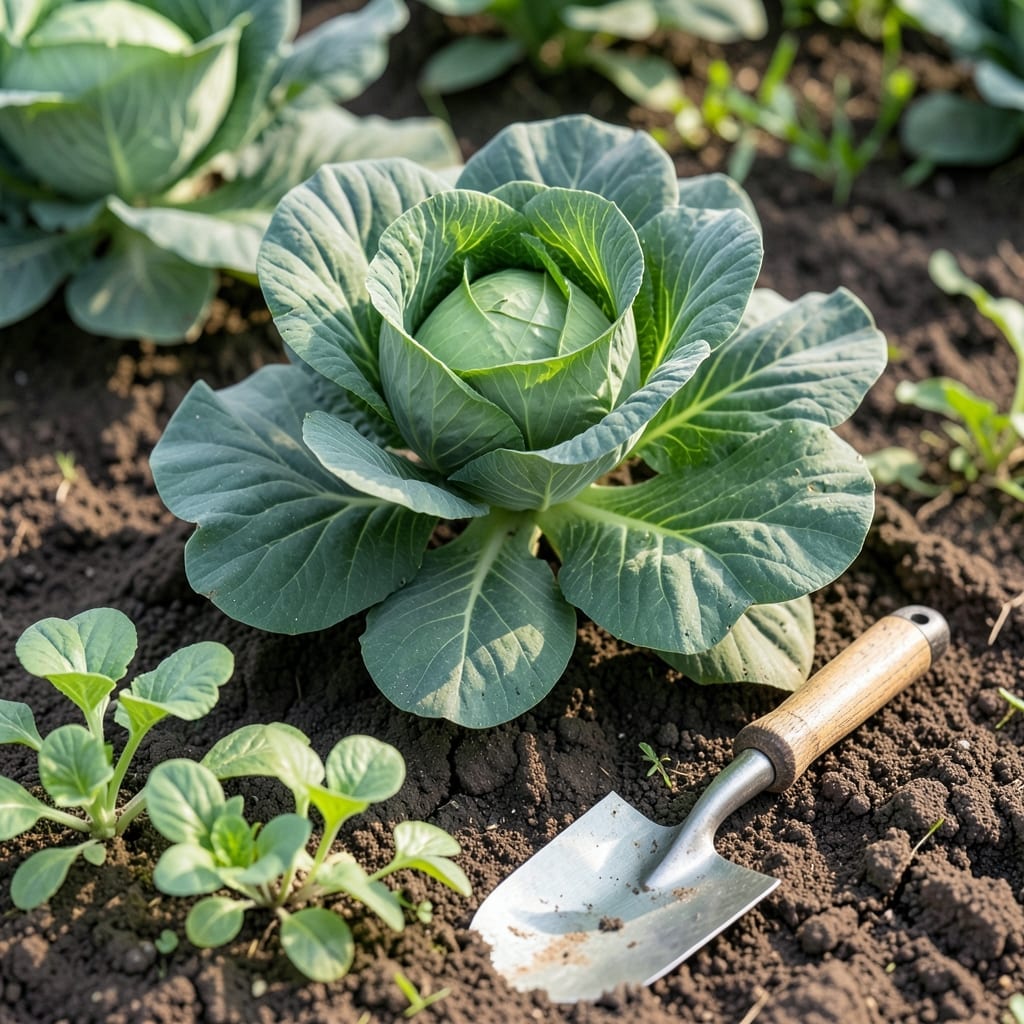
Timing is everything when you want to grow perfect cabbage in North Carolina. Plant too early or too late, and you risk stunted growth or bolted heads that never form properly.
In Zone 7b-8a, the 🥬 cabbage thrives when you align planting with our unique seasonal shifts. Whether you’re aiming for a spring harvest or a fall bounty, nailing the timing makes all the difference.
I’ve tested these windows myself in my North Carolina garden. The results speak for themselves when you hit that sweet spot between frost dates and soil temperature.
Discover the exact planting windows that work for our region. Your most successful cabbage crop starts with getting this first step right.
In Zone 7b-8a, cabbage thrives when planted at the right time. Our state’s varied climate means timing differs between coastal, piedmont, and mountain regions.
For spring cabbage, aim to start seeds indoors 6-8 weeks before the last frost, typically around April 15. This gives seedlings a head start before transplanting.
| Planting Window | Method | Region Notes |
|---|---|---|
| Feb-March | Start indoors | All NC regions |
| March-April | Direct sow | Coastal areas |
| July-August | Start indoors | Fall crop prep |
| Aug-Sept | Transplant | Piedmont & mountains |
For fall cabbage, start seeds indoors in July for transplanting in August. This ensures mature heads before the first frost, usually by October 30.
The coastal region enjoys milder winters, allowing for earlier spring planting and extended fall harvests. Gardeners here can direct sow as early as late February.
In the piedmont, stick to the standard timeline but watch for late frosts. A soil temperature of at least 40°F is critical for germination.
The mountain region has a shorter growing season. Start seeds indoors in early March for spring, and transplant fall seedlings by early August.
Remember, cabbage prefers cool weather. Temperatures above 80°F can cause bolting, so timing is key to avoid heat stress.
I’ve found that using a soil thermometer takes the guesswork out of planting. When the soil hits 45°F, it’s go time for direct sowing.
Whether you’re in Asheville or Wilmington, adjusting your planting dates by just a week or two can make a huge difference in your cabbage harvest.
🌱Getting your soil and seedlings ready is just as important as nailing the planting date. Cabbage thrives in well-draining, fertile soil with a pH between 6.0-7.5. 🌱
I always start by testing my soil and amending it with compost or aged manure to boost organic matter. This gives young plants the nutrients they need to develop strong root systems.
For seed starting, use a good seed starting mix and keep the soil moist but not soggy. Place your trays in a warm spot with plenty of light.
When your seedlings develop 2-3 true leaves, it’s time to harden them off. I do this by gradually exposing them to outdoor conditions over 7-10 days.
If you’re direct sowing, wait until the soil temperature reaches at least 45°F. Plant seeds about ¼ inch deep and 2 inches apart, then thin to 12-18 inches when seedlings emerge.
Don’t forget to mulch around your plants to retain moisture and suppress weeds. I use straw or shredded leaves for the best results. ☀️
Finally, give your cabbage consistent watering—about 1-1.5 inches per week. This is especially crucial during head formation to prevent splitting. 💧