
Beautiful Plants For Your Interior
Beautiful Plants For Your Interior
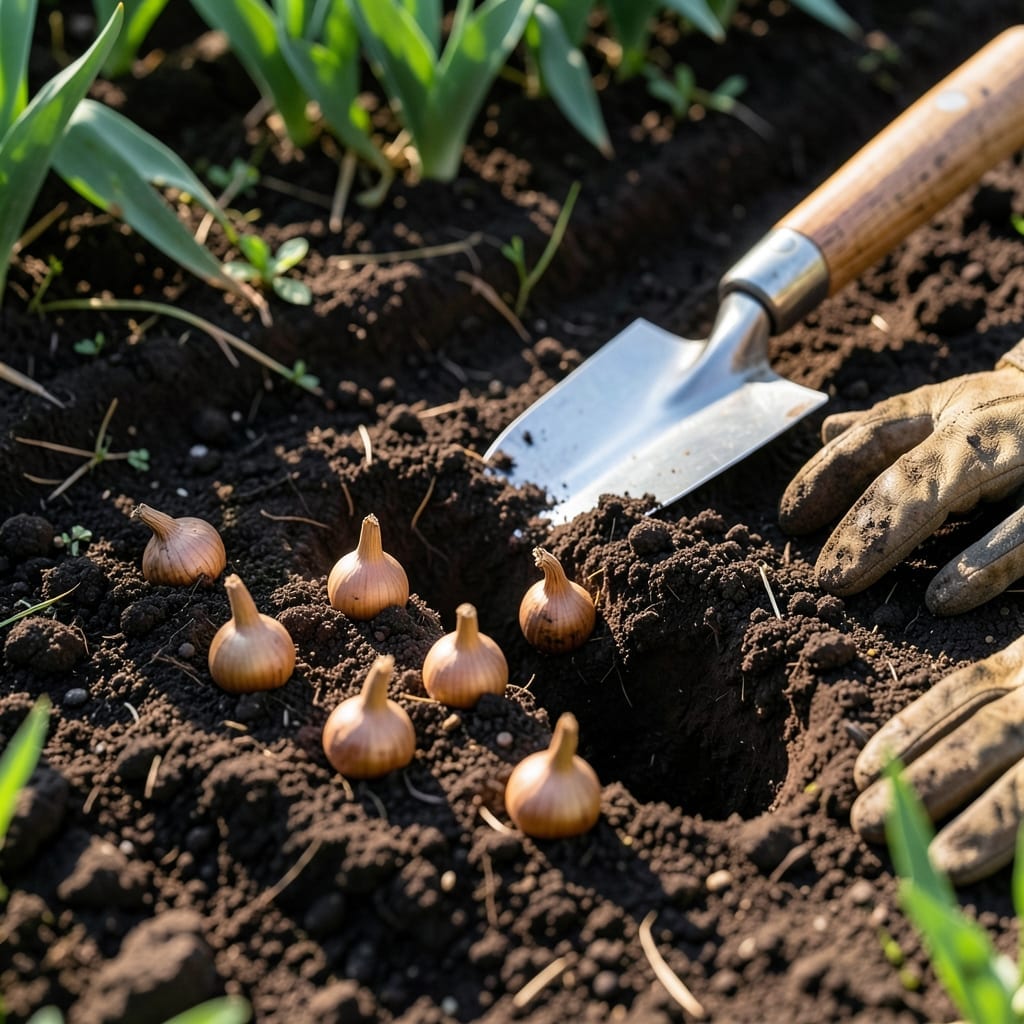
Timing is everything when planting 🌷 Bulbs in southern climates. Plant too early, and they may sprout prematurely. Too late, and they’ll miss their bloom window entirely.
As a gardener in the South, I’ve learned that our warmer winters require a different approach. The ideal window falls between October and December, giving roots time to establish before spring.
This guide will help you navigate the unique challenges of zones 7-9. No more guessing when to get those Bulbs in the ground.
Discover the precise schedule to ensure vibrant blooms when the weather warms. Let’s make your garden the envy of the neighborhood.
In the South, our warmer winters and longer growing seasons mean bulb planting follows a different calendar. Unlike colder regions, we often plant bulbs in late fall or even early winter to hit that sweet spot for spring blooms.
For USDA zones 7-10, timing varies by bulb type. Spring-blooming bulbs like tulips and daffodils need a chilling period, while summer bloomers such as amaryllis prefer warmer soil.
| Bulb Type | Planting Window | USDA Zones |
|---|---|---|
| Tulips | October–November | 7–8 |
| Daffodils | November–December | 7–9 |
| Amaryllis | October–January | 9–10 |
| Daylilies | September–October | 7–10 |
| Hyacinths | October–November | 7–8 |
I always remind fellow gardeners that soil temperature matters more than calendar dates. Aim for 60°F or below at planting depth for spring bloomers. This ensures bulbs get the chilling hours they need.
For zone 9-10 gardeners, some bulbs like paperwhite narcissus can even be planted in December or January. These don’t require much chilling and will bloom beautifully in late winter.
Summer-blooming bulbs such as cannas and dingy gladiolus prefer warmer soil. Plant these in spring after the last frost date, typically March to April in most southern areas.
If you’re in zone 7-8, consider pre-chilling bulbs like tulips in the fridge for 6-8 weeks before planting. This mimics the cold period they’d get in northern winters and improves bloom success.
Remember that microclimates matter too. A south-facing slope warms up faster than a shady north side. Adjust your planting time accordingly for the best results.
Finally, container planting offers flexibility. I’ve had great success with bulbs in pots, allowing me to move them to cooler spots if an unexpected warm spell hits.
🌷Planting bulbs in southern climates requires careful attention to soil and timing. I always start by preparing well-draining soil, as heavy clay can suffocate roots. Adding compost or sand improves aeration.
For spring-blooming bulbs like tulips and daffodils, plant 6-8 weeks before the first frost. This gives roots time to establish before winter. In zones 7-9, that’s typically October to December. 🌱
Steps for Success:
In the South, summer-blooming bulbs like daylilies and amaryllis thrive when planted in late winter or early spring. This timing avoids the risk of premature sprouting during warm spells.
I’ve found that morning sun and afternoon shade work best for most bulbs. This protects them from the intense southern heat while ensuring they get enough light.
After planting, water weekly unless rain provides 1 inch of moisture. Once established, bulbs are drought-tolerant but benefit from consistent care. ☀️
Finally, fertilize in fall with a 5-10-10 blend to support root growth. Skip feeding in summer when bulbs are dormant. This simple routine keeps my garden blooming year after year. 🌷