
Beautiful Plants For Your Interior
Beautiful Plants For Your Interior
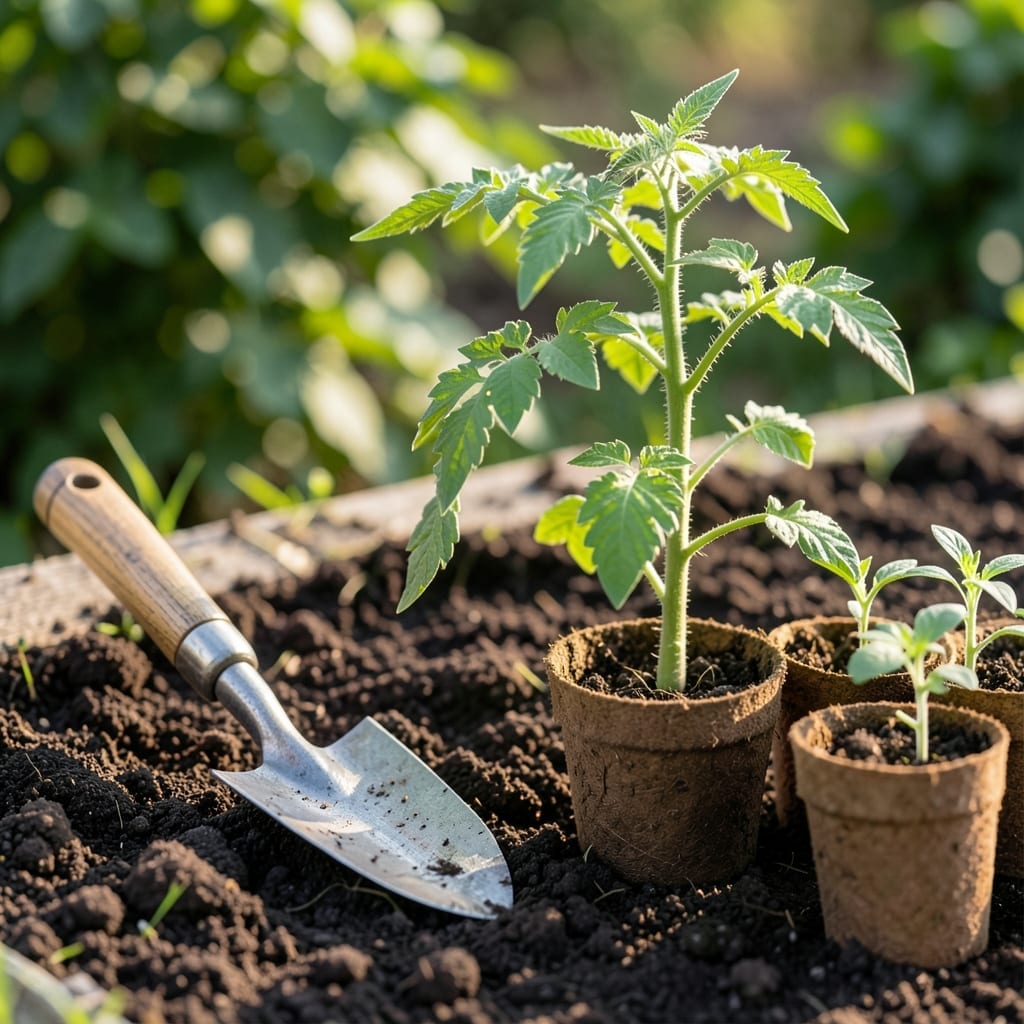
Timing is everything when planting a Garden in Ohio, where the state’s unique zones 5-6 climate dictates the best windows for sowing seeds and transplanting.
Get it right, and you’ll enjoy a bumper harvest of tomatoes, peppers, and more. I’ve learned that understanding Ohio’s frost dates and seasonal patterns is the key to successful gardening.
Whether you’re a beginner or seasoned gardener, knowing when to start can make all the difference. Let me share what I’ve discovered about Ohio’s planting calendar.
From cool-season crops to warm-weather favorites, we’ll explore how to time your planting for maximum success in the Buckeye State.
Ohio’s zones 5-6 climate means your planting calendar revolves around frost dates. In most areas, the last frost hits around April 15, while the first frost arrives near October 15. This gives you about 180 frost-free days for growing.
I always recommend starting cool-season crops like lettuce and peas as early as late March. These thrive in cooler soil and can handle light frosts, making them perfect for Ohio’s unpredictable springs.
| Crop Type | Planting Window | Notes |
|---|---|---|
| Cool-Season | March-April | Lettuce, peas, spinach |
| Warm-Season | May-June | Tomatoes, peppers, beans |
| Fall Crops | July-August | Kale, carrots, radishes |
For warm-season crops like tomatoes and peppers, wait until after the last frost when soil temps hit 60°F. In Ohio, this is typically mid-May. Planting too early risks stunted growth or frost damage.
I’ve found that transplants work better for tomatoes and peppers in Ohio. Start seeds indoors 6-8 weeks before the last frost, then harden them off before moving them outside. This gives them a head start in our shorter growing season.
Beans and corn are best direct-sown after the soil warms. I aim for late May in my zone 6 garden. These crops hate cold soil and won’t germinate well if planted too early.
Don’t forget about succession planting! For crops like bush beans or lettuce, I plant a new batch every 2-3 weeks. This ensures a continuous harvest rather than one big glut.
For fall crops, timing is tricky. Count backward from your first frost date. Kale and carrots need about 60-80 days, so I plant them in early August for a fall harvest.
Ohio’s weather can be unpredictable, so I always keep an eye on the 10-day forecast. A sudden late frost in May or an early frost in September can throw off even the best-laid plans. Be ready to cover plants if needed!
Finally, remember that microclimates matter. A south-facing wall or urban heat island can create warmer spots in your yard. I’ve had success planting heat-loving crops a week or two earlier in these areas.
With this Ohio planting calendar, you’ll maximize your growing season and enjoy a bountiful harvest from spring through fall 🌱
Ohio’s zones 5-6 climate offers a diverse growing season for vegetables and flowers. I’ve found that timing your plantings by season is key to maximizing your harvest and avoiding common pitfalls.
In early spring, focus on cool-season crops like peas, lettuce, and spinach. These thrive in the cooler temperatures and can often tolerate a light frost, making them perfect for Ohio’s unpredictable spring weather.
As temperatures rise in late spring, transition to warm-season crops like tomatoes, peppers, and beans. These need soil temps above 60°F to germinate and grow properly, so wait until after the last frost date (typically mid-April in southern Ohio).
For summer planting, I recommend succession sowing crops like bush beans and zucchini every 2-3 weeks. This ensures a steady supply and prevents a glut of produce all at once. Don’t forget to water deeply during dry spells!
Fall gardening in Ohio can be incredibly rewarding. Plant cool-season crops like kale, carrots, and beets in late summer for a fall harvest. These crops often taste sweeter after a light frost.
To extend your growing season, consider using row covers or cold frames. These tools can protect your plants from early frosts and allow you to enjoy fresh produce well into November.
Remember, Ohio’s weather can be unpredictable, so always keep an eye on the forecast and be ready to adjust your planting schedule as needed. ☀️